

What Is Bonded Leather?
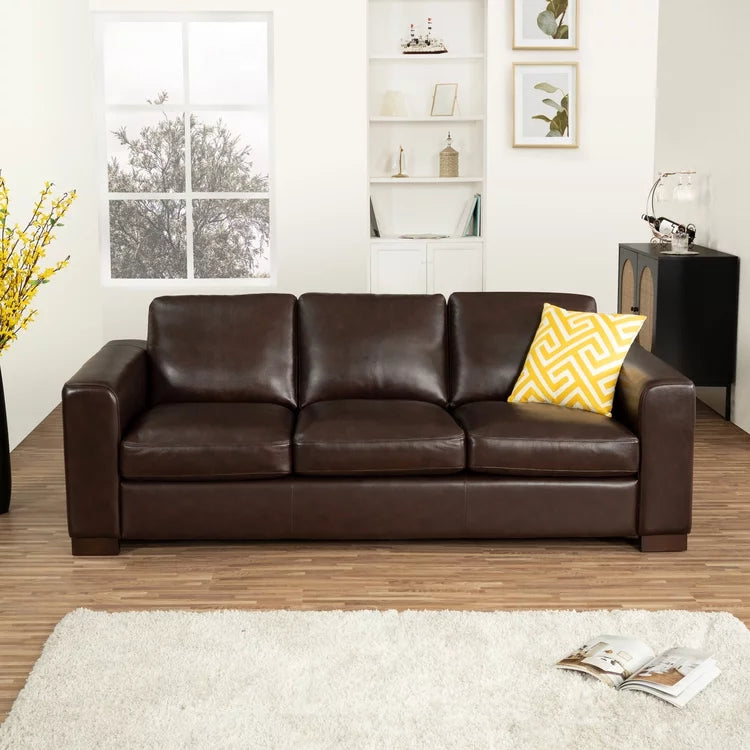
Bonded leather is a manufactured material made by bonding leftover leather scraps and fiber together using polyurethane or latex, then applying a thin coating on top that mimics the texture of genuine leather. Think of it as the particleboard of the leather world — a reconstituted product that uses real leather remnants but is fundamentally a composite material.
While it looks convincing at first glance, bonded leather contains only a small percentage of actual leather — typically between 10% and 20%. The rest is synthetic binder and backing. This matters enormously for durability, feel, and long-term value.
How Is Bonded Leather Made?
The manufacturing process starts with shredded leather scraps — often the byproduct of high-end leather goods production. These scraps are ground into fine fibers and combined with bonding agents. The resulting mixture is pressed onto a fiber or paper backing and then embossed with a leather-grain texture.
A polyurethane coating is then applied to the surface, giving it a uniform appearance and that signature "leather" look straight out of the factory. The result is a material that is consistent in color and texture — something genuine leather never is, due to its natural grain variations.
Why Do People Choose Bonded Leather?
Affordability
Bonded leather is significantly cheaper than full-grain or top-grain leather. For shoppers on a budget, it provides a leather-like aesthetic at a fraction of the price.
Consistent Appearance
Unlike genuine leather, which varies in texture and grain, bonded leather has a perfectly uniform surface — appealing for modern, clean-line furniture designs.
Wider Color Range
Because the surface is synthetic, bonded leather can be produced in virtually any color — great for bold, design-forward choices.
Uses Real Leather Scraps
Some consumers appreciate that bonded leather repurposes waste material from leather production, reducing what would otherwise end up discarded.
How Long Does Bonded Leather Last?
This is where bonded leather earns its mixed reputation. Under normal household use, bonded leather furniture typically lasts between 2 and 5 years before the surface begins to visibly deteriorate. Genuine leather, by contrast, can last decades with proper care.
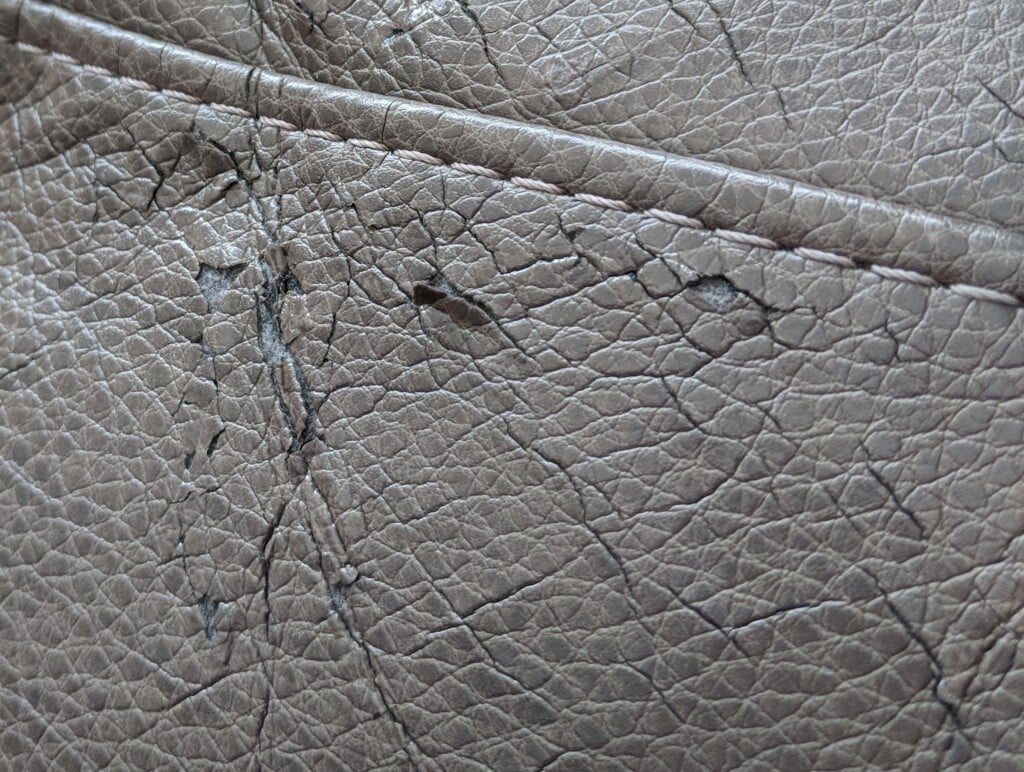
The thin polyurethane coating on bonded leather is not deeply integrated into the material. Over time — especially with heat, sunlight, or frequent use — it begins to crack, peel, and flake away from the backing. This process, once started, is very difficult to stop or reverse.
If you're furnishing a low-traffic space or looking for a short-to-medium-term solution, bonded leather may serve you well. For heirloom-quality furniture or high-use seating, genuine leather or quality fabric alternatives are a wiser investment.

How to Clean Bonded Leather
Cleaning bonded leather properly is straightforward, but the wrong approach can accelerate damage. The surface is sensitive to harsh chemicals and excessive moisture.
-
Wipe regularly with a dry microfiber cloth Remove dust, crumbs, and surface debris before they settle into seams or crevices. Make this a weekly habit.
-
Use a damp cloth for spills Blot — do not rub — spills immediately using a lightly damp cloth. Rubbing spreads the liquid and can damage the surface coating.
-
Apply a mild soap solution for stains Mix a small amount of gentle dish soap with warm water. Dip a cloth, wring it nearly dry, and gently work the stain in circular motions. Wipe clean with a separate damp cloth.
-
Dry thoroughly Never leave bonded leather wet. Pat dry with a clean towel and allow the area to air out completely before use.
-
Avoid alcohol, bleach, and solvent-based cleaners These will strip the surface coating and cause rapid deterioration. Always test any cleaner on a hidden area first.
Why Does Bonded Leather Crack and Peel?
Cracking and peeling are the most common — and most frustrating — complaints about bonded leather. The root cause is the delamination of the polyurethane surface layer from its backing. Several factors speed this process up:
Direct Sunlight
UV rays dry out and degrade the synthetic coating much faster than natural aging. Avoid placing bonded leather furniture in sun-exposed areas.
Heat Sources
Heating vents, radiators, and fireplaces nearby cause the surface to dry and crack prematurely. Maintain distance from any heat sources.
Body Oils & Sweat
Repeated skin contact deposits oils and moisture that slowly break down the bonding layer, especially in armrests and seat centers.
Harsh Cleaning Products
Anything acidic or solvent-based strips the coating. Even some commercial leather cleaners are too aggressive for bonded leather.
How to Prevent Bonded Leather from Peeling
While you cannot stop bonded leather from aging, you can significantly slow the deterioration process with a few practical habits.
-
Keep it out of direct sunlight Use curtains, blinds, or UV-filtering window film to protect furniture from harsh light exposure.
-
Condition the surface regularly Use a leather conditioner designed for synthetic or bonded leather every 3 to 6 months to maintain surface flexibility and moisture balance.
-
Cover high-friction areas Throws or cushion covers on armrests and seat surfaces reduce the wear from daily contact and body oils.
-
Maintain room humidity Extremely dry air is damaging. A humidifier in winter months helps keep the surface from drying out and cracking.
-
Clean gently and consistently Regular light cleaning prevents grime buildup that degrades the coating over time. Gentle and frequent beats harsh and occasional, every time.
Repairing Bonded Leather Scratches
Minor surface scratches on bonded leather can often be addressed at home before they develop into peeling or flaking. Acting early is key — the sooner you treat a scratch, the better the outcome.
For light surface marks, a leather repair kit with a color-matched filler compound can blend scratches almost invisibly. These kits typically include a cleaning solution, filler, colorant, and a finishing sealant. Follow the manufacturer's instructions carefully and always work in thin, even layers.
Deep scratches that penetrate through to the backing material are more difficult to hide. In these cases, a professional upholstery repair service may be your best option. Once the surface layer is fully compromised in a large area, replacement is often more cost-effective than repair.
Bonded Leather vs. Genuine Leather
Understanding the key differences between bonded and genuine leather helps you make a more confident purchasing decision based on your actual needs and lifestyle.
Bonded Leather
Lower cost upfront. Uniform texture and appearance. Lifespan of 2–5 years. Prone to peeling and cracking. Limited repairability. Sensitive to heat and sunlight.
Genuine Leather
Higher upfront cost. Natural grain variations and character. Lifespan of 10–25+ years. Develops a patina over time. Repairable and conditionable. More durable with proper care.
The honest answer is that bonded leather is not a permanent substitute for genuine leather — it is a budget-conscious alternative with a shorter lifespan. For occasional-use rooms, guest furniture, or short-term furnishing needs, it can be a perfectly practical choice. For everyday family living, genuine leather offers a far better return on investment over time.

Bonded Leather vs. Other Alternatives
Bonded leather isn't the only synthetic leather option on the market. Here's how it compares to a few other materials you'll encounter while shopping for furniture.
vs. Microfiber
Microfiber is a synthetic fabric that is highly durable, stain-resistant, and easy to clean. It lacks the leather aesthetic but significantly outperforms bonded leather in longevity and resistance to peeling.
vs. Bicast Leather
Bicast leather uses a split leather base — a real leather layer — with a polyurethane coating on top. It is more durable than bonded leather but still susceptible to surface cracking over time.
vs. Faux Leather (PU)
PU faux leather contains no real leather at all. Modern versions can be surprisingly durable and increasingly eco-friendly, rivaling bonded leather in appearance while sometimes outlasting it.
vs. Full-Grain Leather
Full-grain leather is the gold standard — the most durable, most natural, and most expensive option. It improves with age and carries a character that no manufactured material can replicate.
Final Thoughts
Bonded leather occupies an honest place in the furniture market: it delivers an attractive, leather-look aesthetic at a price point that makes stylish seating accessible. It's a smart short-term choice — but it demands realistic expectations about its lifespan and limitations.
The key is to go in informed. Clean it gently. Protect it from heat and sun. Condition the surface regularly. And when you're ready to invest in something that will last a decade or more, you'll know exactly what to look for.
Ready to Bring It Home?
Explore one of our top bonded leather seating picks — a refined chair that balances style, comfort, and value.
Alexis Bonded Leather Chair