

Table of Contents
1. Understanding Common Leather Types in High-Back Office Chairs
2. How Long Do These Chairs Actually Last?
3. Common Wear and Tear to Watch For
4. How to Extend the Life of Your Chair
5. Cost vs. Value — Is Leather Worth the Price?
6. Choosing the Right Chair for Your Needs
7. FAQs
8. Conclusion
A leather high-back office chair does much more than look impressive behind a desk. It delivers targeted posture support, day-long comfort, and an air of professionalism that works just as well in a corporate setting as it does in a home office. The tall backrest cradles your spine while the rich leather surface brings a sense of authority to any workspace.
But here is the question every buyer asks before committing: how long will it actually hold up? The answer depends on the type of leather, how often you sit in it, and how well you maintain it. This guide walks through the most common leather types, their expected lifespans, everyday wear patterns, and maintenance tips so you can make a confident purchase.
Think of what follows as both an educational breakdown and a practical buying guide to help you land the right chair for your exact needs.
.webp)
Understanding Common Leather Types in High-Back Office Chairs
The leather covering your office chair plays a far bigger role than most buyers realize. It affects how the surface feels against your skin, how well the material withstands daily use, and whether you are truly making a long-term investment or a short-term style decision.
Getting familiar with the main categories before you shop will save you time and ensure the chair you pick matches both your budget and your expectations. It also helps to compare leather with other upholstery options like mesh or fabric so you understand how each material stacks up.
1. Bonded Leather
Bonded leather is produced by mixing shredded leather scraps with polyurethane, then pressing the blend into sheets that imitate the look and texture of genuine hide. You will find it in many budget-oriented high-back desk chairs, especially among listings marketed as affordable executive seating.
The upside is clear — it gives you that polished executive aesthetic at a significantly lower price point. The downside is equally clear: friction from everyday sitting wears through the surface quickly. Peeling and cracking along the seat edges and armrests can appear in as little as two years. It works well for chairs that see occasional use, such as conference rooms or guest seating, but less so for a primary workspace chair.
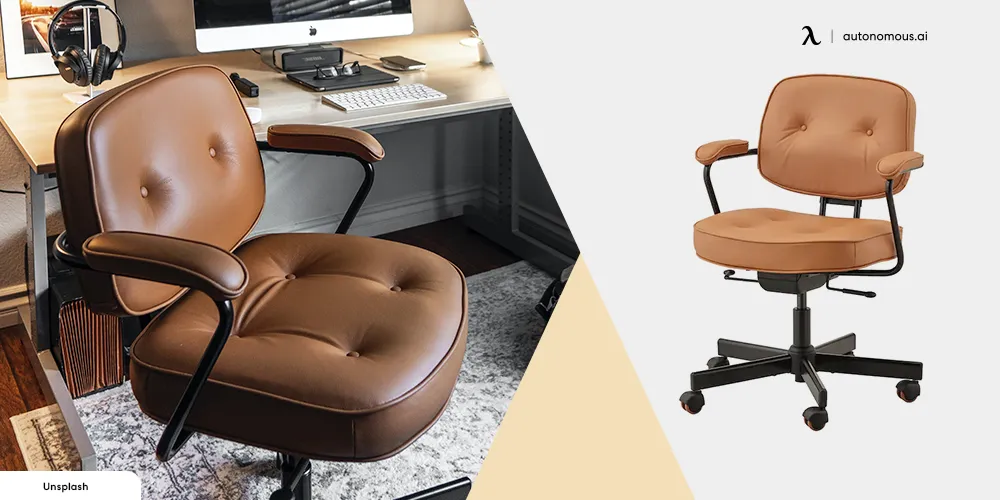
2. Genuine and Top-Grain Leather
Top-grain leather sits at the top of the quality ladder for executive office chairs. It is durable, naturally breathable, and develops a beautiful patina over years of use. Unlike bonded leather that deteriorates, genuine leather actually improves with age when you take care of it properly.
A high-back executive chair built with top-grain hide can easily last a decade or longer, making it the go-to choice for professionals who log serious hours at their desks. On top of durability, genuine leather also offers a cooler and more natural seating surface that adjusts to temperature fluctuations in your environment.
3. PU and Faux Leather
PU (polyurethane) and faux leather are man-made materials engineered to replicate the appearance of real leather. They show up frequently in modern chair designs, particularly in sleek black high-back models. These materials appeal to buyers who want affordability, easy cleaning, and stain resistance.
The trade-off is longevity. Faux leather lacks the breathability and resilience of natural hide. Over time, especially under daily use, it tends to harden, crack, and lose its finish — typically within one to three years. For shoppers who want a leather look without a leather budget, it is a practical but ultimately short-term solution.
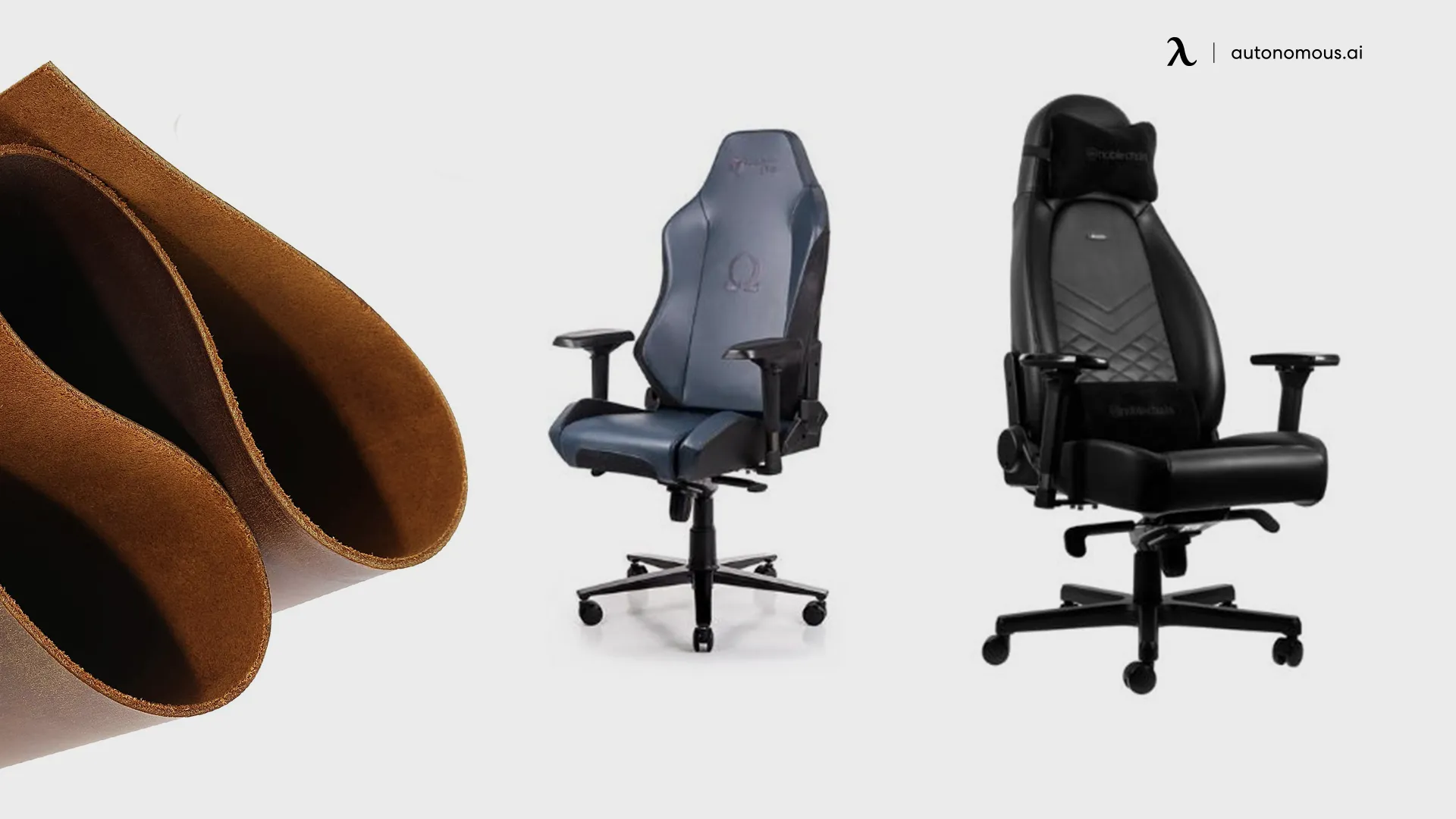
Choosing the Right Leather for You
In the end, the best leather type depends on how the chair will be used. A brown genuine leather high-back chair is ideal for a traditional office that values durability above all else. A faux or bonded leather chair might be better suited for a contemporary, minimalist workspace where style and budget take priority. And if ergonomics is your top concern, pairing genuine leather with adjustable lumbar and tilt features gives you the best of both worlds — lasting comfort and lasting value.
How Long Do Leather High-Back Office Chairs Really Last?
The lifespan of your chair hinges on three main factors: the type of leather, how many hours it is used each day, and whether any regular maintenance is performed. Here is a straightforward breakdown by material type.
| Leather Type | Average Lifespan | What to Expect | Best Use Case |
|---|---|---|---|
| Bonded Leather | 2–3 years | Looks polished initially but peels and cracks with daily use, especially along the seat and armrests. | Guest offices, conference rooms, or occasional seating. |
| Genuine / Top-Grain | 7–10+ years | Develops a rich patina rather than deteriorating. Softens and improves under heavy use when maintained. | Full-time professionals who need lasting comfort and support. |
| PU / Faux Leather | 1–3 years | Affordable and stylish but prone to cracking, fading, and reduced breathability over time. | Budget-friendly setups or short-term workspace upgrades. |
Other Factors That Influence Lifespan
Usage intensity — Chairs used for eight or more hours daily wear significantly faster than those used occasionally.
Weight load — Consistently sitting near or above the rated weight capacity shortens the structural life of the frame and base.
Climate — Heat and humidity speed up drying and cracking, particularly in bonded and faux leather.
Maintenance routine — Regular cleaning and conditioning can add several years to any leather chair.
Common Wear and Tear in Leather High-Back Office Chairs
Even premium chairs show signs of aging over time. Recognizing the earliest symptoms of wear lets you decide whether a quick repair, a stepped-up care routine, or a full replacement is the smartest move.
1. Upholstery Problems
Peeling and cracking are the most visible red flags. Bonded and faux leather tend to break down first in high-friction zones — the seat edge, headrest, lumbar area, and armrests. Once peeling starts, it spreads fast, though reupholstering can sometimes buy you more time.
Fading and discoloration are also common. Brown leather may lighten under direct sunlight, while black leather can develop a grayish, patchy look over the years.
Surface stiffening tends to hit faux leather hardest. As the material ages, it loses flexibility, making the seat noticeably less comfortable.
.webp)
2. Cushion and Support Breakdown
Seat sagging happens when the foam core gradually compresses. This reduces ergonomic support and shifts more pressure onto your lower back.
Lumbar support weakening is common in executive-style high backs. The contoured lumbar section loses its original shape, diminishing the postural benefits the chair was designed to provide.
Armrest deterioration often shows up as flattened padding or split upholstery, particularly on armrests wrapped in bonded leather.

3. Structural Concerns
Tilt and recline mechanisms endure constant stress from daily adjustments. Lower-quality chairs may start squeaking or lose smooth motion within a couple of years.
Base and caster wear is another area to monitor. Plastic bases degrade faster than metal ones, and rolling casters can flatten or jam under heavy daily use.
Frame stress occurs when the chair is consistently overloaded beyond its weight rating or when the user leans aggressively. Over time, this can bend or loosen the internal frame.
4. Ergonomic Comfort Decline
This one is less obvious but arguably the most important. When cushioning flattens or the backrest loses its resistance, the chair quietly stops doing its job. You might start feeling sore after sitting, noticing stiffness in your lower back, or shifting positions frequently — all signs the chair has passed its functional prime.
.webp)
How to Extend the Life of a Leather High-Back Office Chair
With the right care routine, a leather high-back office chair can outlast its expected lifespan by years. These steps protect both the leather surface and the ergonomic structure underneath.
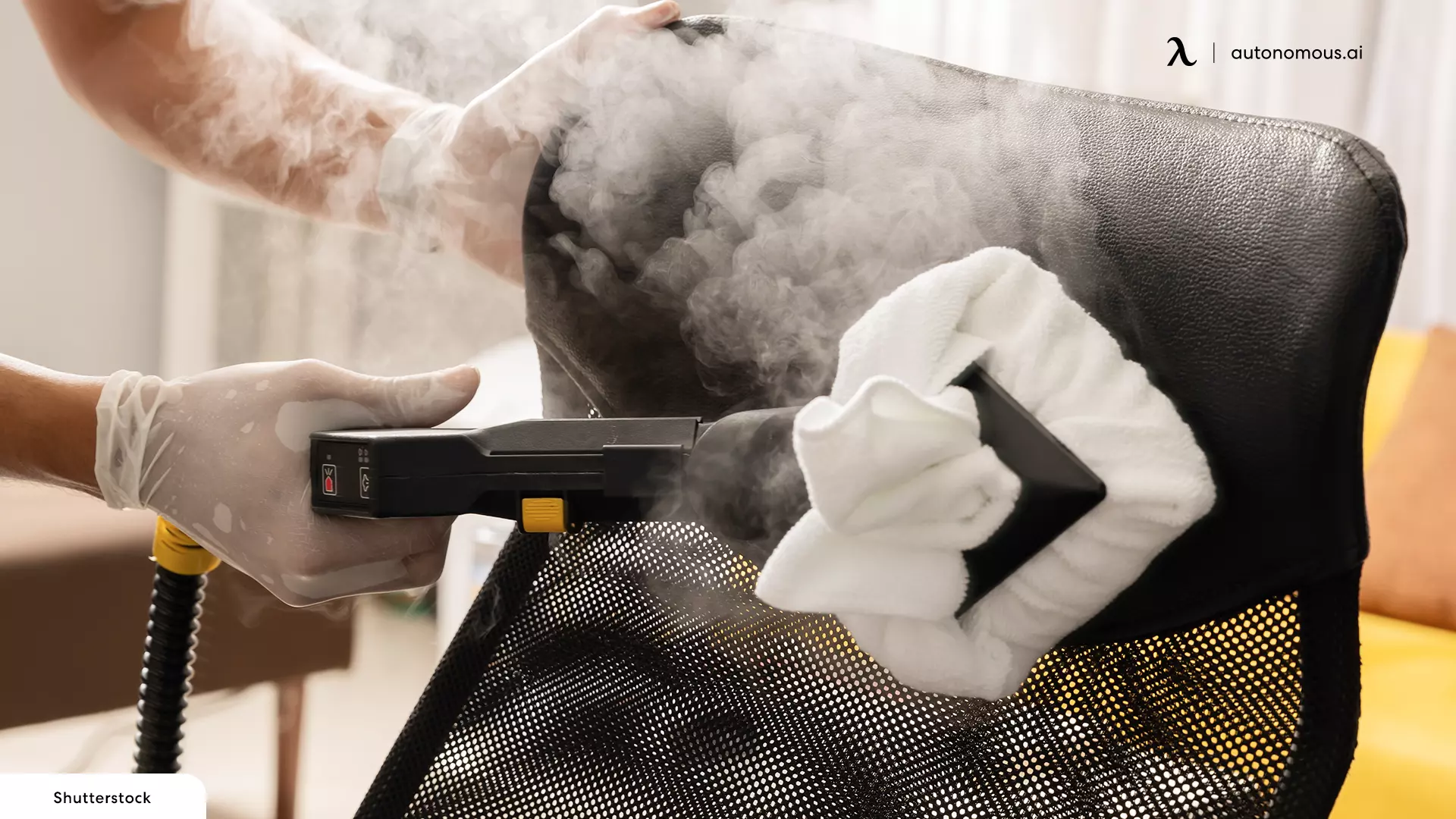
Step 1 — Clean Regularly
Wipe down the chair weekly with a soft damp cloth to remove dust and body oils. Once a month, use a mild leather cleaner on high-contact spots like the seat, lumbar zone, and armrests. If your chair is faux leather, avoid harsh chemical cleaners that strip the protective finish.
Step 2 — Condition the Leather
For genuine leather, apply a quality conditioner every six to twelve months. This keeps the hide soft, supple, and resistant to cracking. Brown leather tends to show dryness more visibly than black, so give it a little extra attention.
Step 3 — Protect from Sun and Heat
Position the chair away from direct sunlight and heating vents. UV exposure fades black leather and dries out genuine hide over time. If your workspace has strong natural light, blinds or UV-filtering window film can make a noticeable difference.
Step 4 — Support the Base and Casters
Use a chair mat on both hard floors and carpet to reduce rolling resistance and caster wear. Inspect the casters every few months and swap them out if they start to flatten or jam.
(1).webp)
Step 5 — Address Wear Early
Minor cracks can often be patched with a leather filler kit before they spread. Replace worn armrest pads or seat cushions proactively. And keep the tilt and recline mechanism tight — a quick wrench check every few months prevents squeaking and instability.
Step 6 — Rotate Usage When Possible
If you own more than one chair, rotating them between rooms or users distributes the wear evenly and extends the functional life of each.
Cost vs. Value — Is Leather Worth It?
The price spread between a bonded leather chair and a genuine leather model can be significant. But the real question is not the sticker price — it is the cost over the life of the chair.
1. Bonded Leather
This is the most budget-friendly option on the market. It delivers the executive look at the lowest price, but with a two-to-three-year lifespan, you may find yourself buying replacements more often than expected. It works best for occasional seating or setups where appearance takes priority over durability.
2. Genuine and Top-Grain Leather
The upfront investment is higher, particularly in fully featured executive models with ergonomic adjustments. But a well-maintained genuine leather chair can serve you for a decade or longer. Over that timeframe, the cost per year often works out lower than cycling through budget alternatives. It is the strongest choice for professionals who sit for long stretches every day.
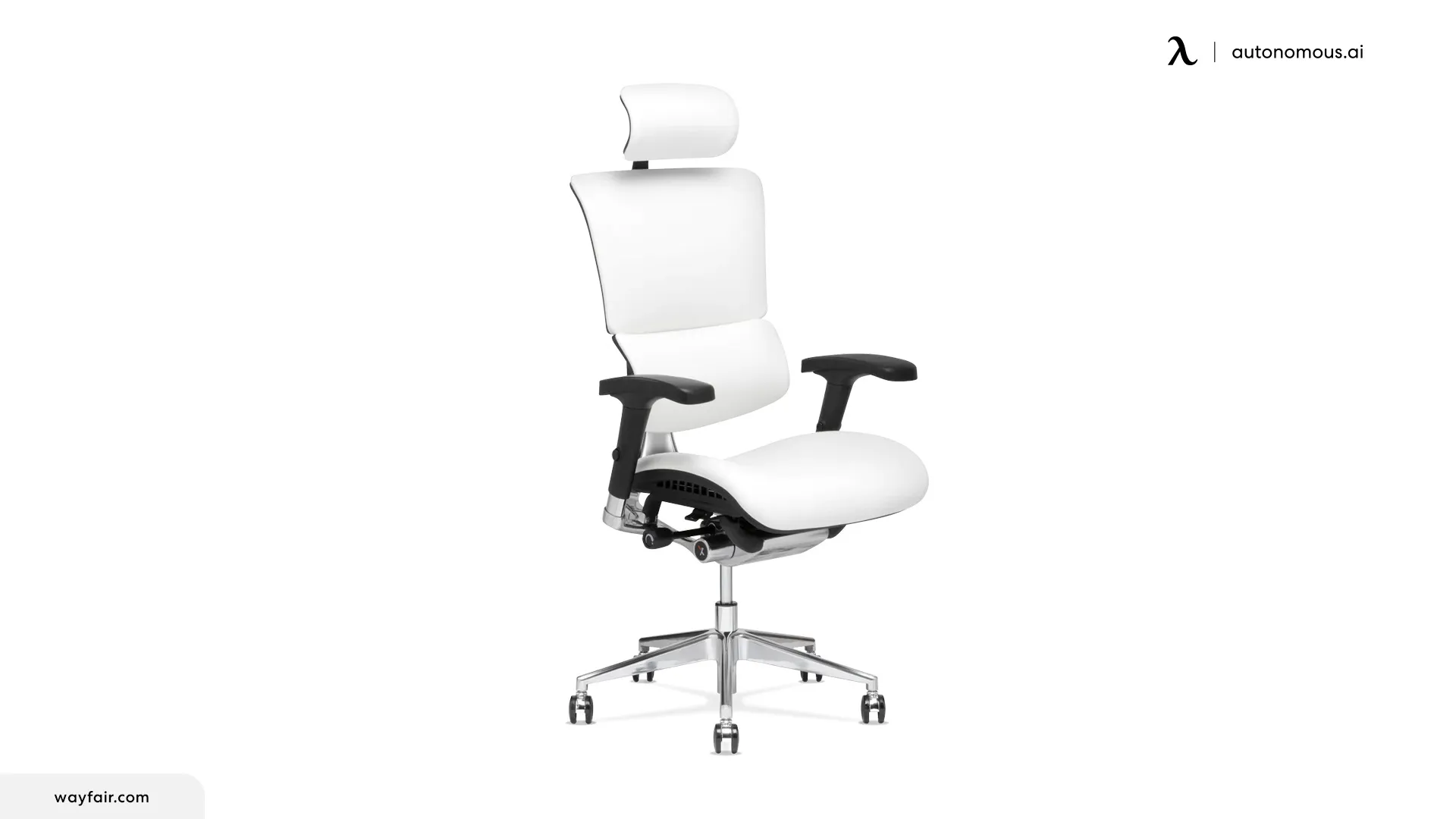
3. PU and Faux Leather
Priced slightly above bonded leather but well below genuine options, faux leather is stylish and easy to maintain. However, with a typical lifespan of one to three years, it is best viewed as a quick visual upgrade rather than a long-term investment. Ideal for modern workspaces on a tight budget or home offices with lighter use patterns.
4. The Long-Term Math
A budget bonded leather chair may look like a bargain next to a premium top-grain model. But replacing it every two or three years typically ends up costing more in the long run. For anyone using their chair daily, genuine leather offers both the ergonomic support and durability that make the higher price worthwhile. For decorative or light-use scenarios, bonded or faux leather can get the job done without overspending.
Choosing the Right Leather High-Back Office Chair for Your Needs
Not every workspace calls for the same chair. The right pick depends on how you plan to use it, how many hours a day you will be seated, and the aesthetic you want your office to convey.
For occasional or guest seating — A bonded or faux leather high-back chair looks presentable, stays within budget, and handles light use just fine. Think reception areas, meeting rooms, or secondary desks.
For all-day, every-day work — Genuine leather with full ergonomic adjustments is the clear winner. It stands up to heavy use, conforms to your body over time, and delivers reliable posture support year after year.
For modern or minimalist setups — A black high-back leather chair pairs naturally with sleek, contemporary interiors, while a brown leather model brings warmth to more traditional or home-style office environments.
By matching the leather type and chair design to your actual day-to-day usage, you avoid overspending while still getting the comfort, durability, and style you need.
Frequently Asked Questions
Are leather high-back office chairs comfortable for long working sessions?
Absolutely. The tall backrest aligns with your spine and distributes support across the upper and lower back. Genuine leather options are especially comfortable because the material adjusts to temperature changes and softens over time.
How many years can I expect from a leather high-back office chair?
It depends on the leather type. Bonded leather typically lasts two to three years, faux leather one to three years, and genuine or top-grain leather can go seven to ten years or more with proper care.
What separates bonded leather from genuine leather in office chairs?
Bonded leather blends leather scraps with synthetic polyurethane — it looks good but peels quickly. Genuine leather is the real material, far stronger and longer-lasting, and it develops character as it ages rather than breaking down.
Will my leather chair start peeling eventually?
Bonded and faux leather chairs are susceptible to peeling after regular use, usually beginning at the seat and armrests. Genuine leather does not peel — instead, it may develop a natural patina that enhances its appearance.
Are high-back leather executive chairs ergonomic?
Many are. Look for models with built-in lumbar support, tilt adjustment, and cushioned headrests. These features improve your posture and reduce strain, making the chair suitable for full work days at a desk.
Can a leather high-back chair actually improve my posture?
Yes. A chair specifically designed for spinal support promotes an upright sitting position. When combined with adjustable lumbar and tilt mechanisms, it reduces strain on the neck and shoulders throughout the day.
How do I prevent cracking on my leather office chair?
Keep the chair away from direct sunlight and heating vents. For genuine leather, apply a conditioner every six to twelve months. These two simple habits prevent the material from drying out and significantly extend its lifespan.
What is the best leather high-back chair for a home office?
For everyday work, a genuine leather executive chair delivers the best combination of ergonomic support and longevity. For lighter use or tighter budgets, a bonded or faux leather high-back model still provides solid style at a more accessible price point.
Conclusion
A leather high-back office chair is about more than executive aesthetics — it is a commitment to comfort, posture support, and long-term value. Bonded and faux leather deliver an attractive look at an affordable price but come with shorter lifespans. Genuine leather costs more upfront but rewards you with a decade or more of reliable service when maintained properly.
If you need a quick, budget-conscious upgrade, lower-cost options will serve you well for the short term. But if you are after a chair that supports you day in and day out, a genuine leather executive model is an investment that pays dividends in both posture and productivity.
Ultimately, the best choice comes down to balancing style, budget, and how many hours you plan to spend in the seat. Get that equation right, and your chair will not just complete your workspace — it will elevate the way you work.