

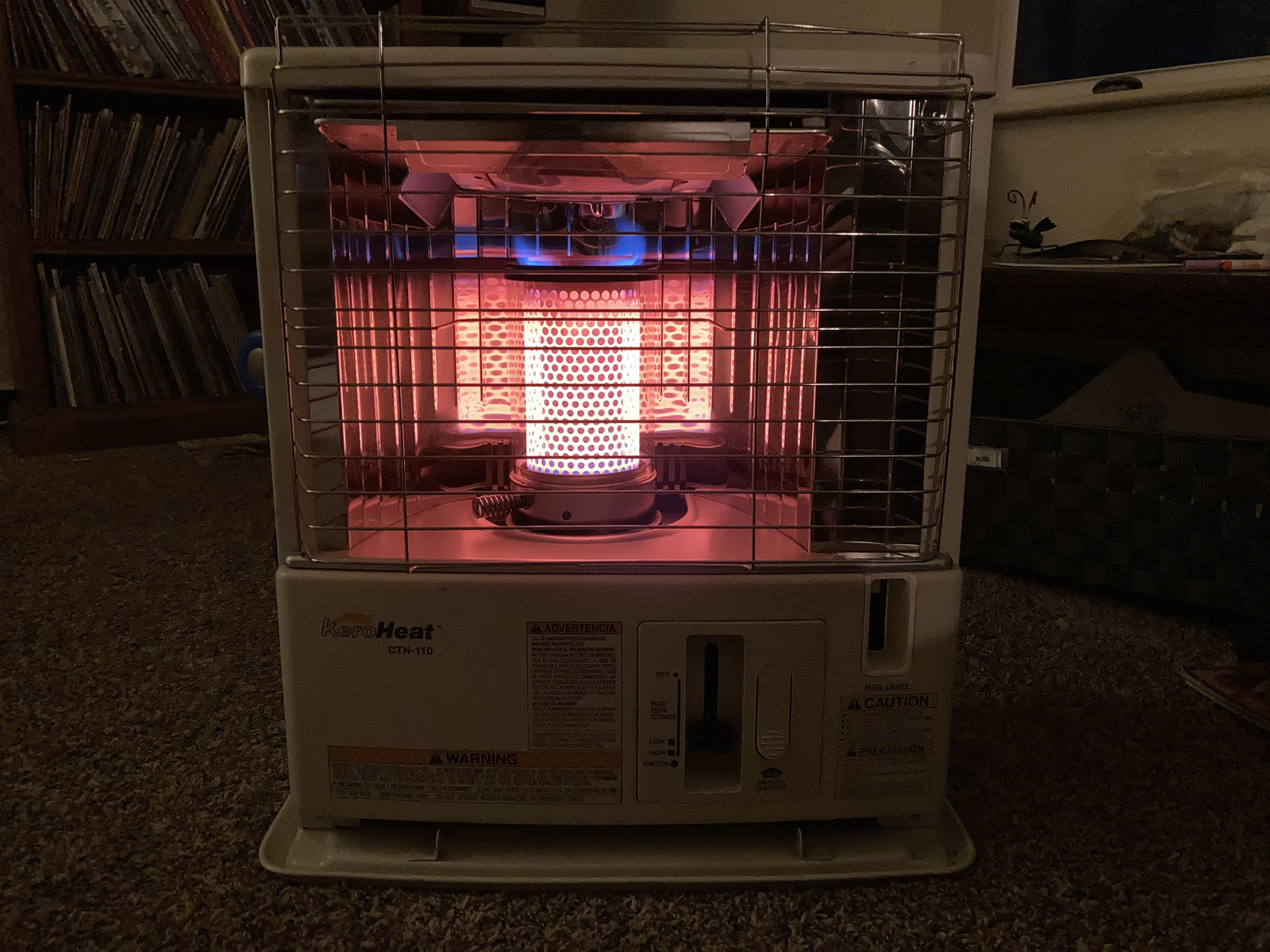
When the power goes out and temperatures plummet, having a dependable heat source becomes more than just a comfort—it becomes essential. Kerosene radiant heaters have earned their reputation as workhorses in the world of off-grid heating, offering a combination of portability, efficiency, and reliability that few other options can match.
Whether you're preparing for emergencies, outfitting a workshop, or looking for supplemental heat during camping trips, understanding how these heaters work and operate can make a significant difference in your comfort and safety.
Emergency Heat and Light
One of the most compelling reasons to invest in a kerosene radiant heater is its dual functionality during emergencies. Beyond providing warmth, these heaters emit a soft, ambient glow that can illuminate a room when electricity is unavailable. This combination of heat and light makes them invaluable during extended power outages or grid-down scenarios.
The radiant heat produced penetrates deep, warming objects and people directly rather than simply heating the surrounding air. This means you'll feel the warmth almost immediately after ignition—a crucial advantage when temperatures are dangerously low.
Kerosene vs Propane: Understanding Your Options
The debate between kerosene and propane heating often comes down to specific use cases and personal preferences. Kerosene offers several distinct advantages that make it the preferred choice for many preparedness-minded individuals.
Kerosene stores exceptionally well for extended periods when treated with stabilizers, maintaining its combustion properties for years. The fuel itself has a higher energy density than propane, meaning you get more heat per gallon. Additionally, kerosene doesn't require pressurized containers, making storage simpler and safer in many environments.
Propane, while cleaner burning, requires specialized tanks and can become less efficient in extremely cold temperatures. Kerosene heaters also tend to produce more radiant heat, which many users find more comfortable and effective for warming living spaces.
Radiant vs Convection Heaters
Understanding the fundamental difference between radiant and convection heating helps you choose the right tool for your specific situation. Radiant heaters work by emitting infrared energy that directly warms objects and people in its path, similar to how sunlight warms your skin on a cool day.
Convection heaters, by contrast, warm the air itself, which then circulates throughout the space. While convection heating eventually raises the overall room temperature, radiant heating provides immediate, targeted warmth exactly where you need it.
For applications like workshops, garages, or outdoor covered areas where heating the entire air volume is impractical, radiant heaters excel. They deliver comfort without wasting energy heating air that may quickly escape through drafts or poorly insulated walls.
Why Choose Radiant Kerosene Heat?
✓ Immediate warmth without waiting for air to heat up
✓ Effective in drafty or open environments
✓ No electricity required for operation
✓ Long-term fuel storage capability
Anatomy of a Kerosene Radiant Heater
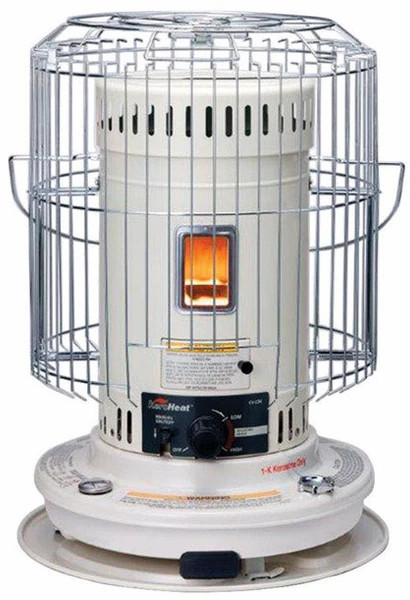
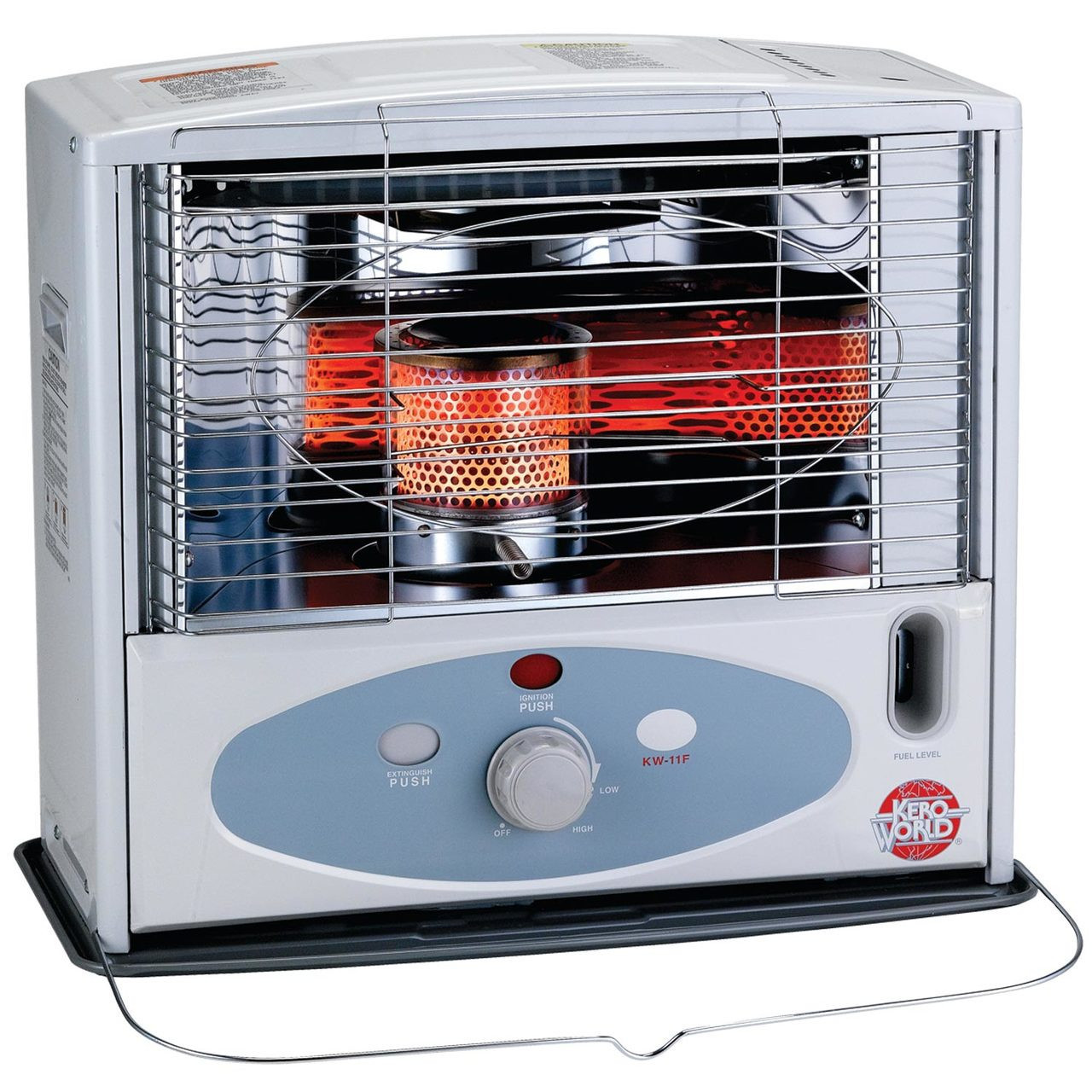
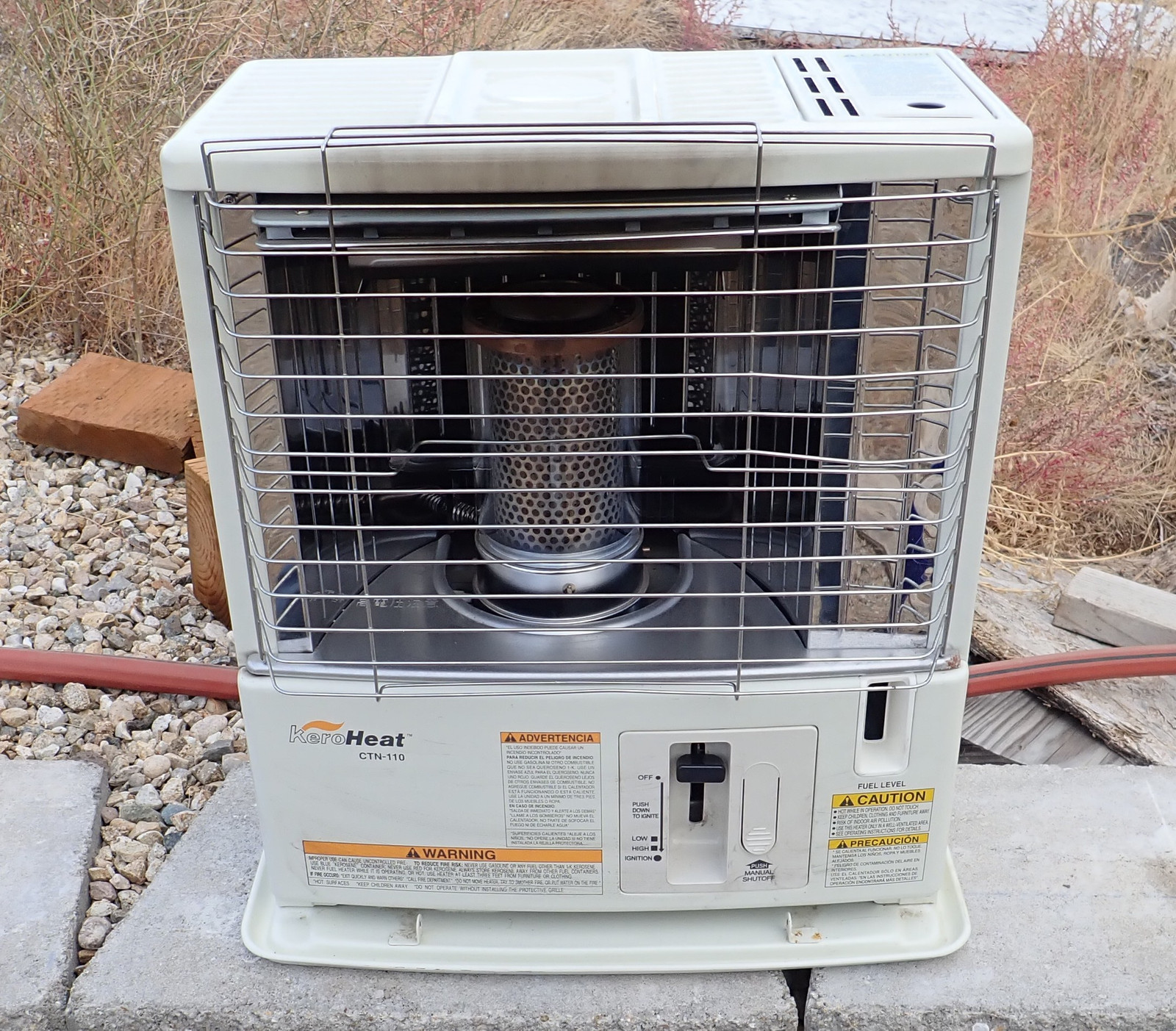
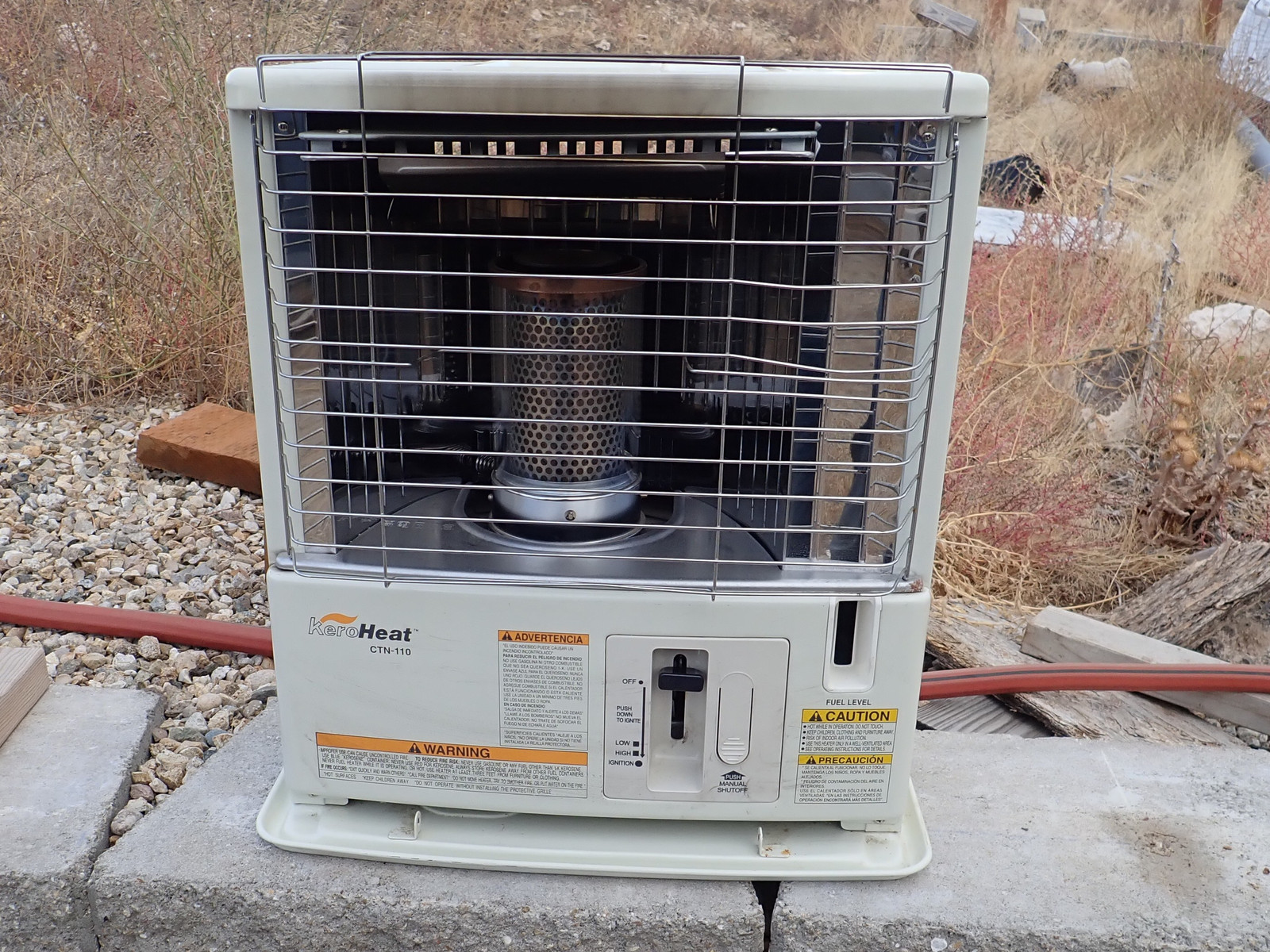
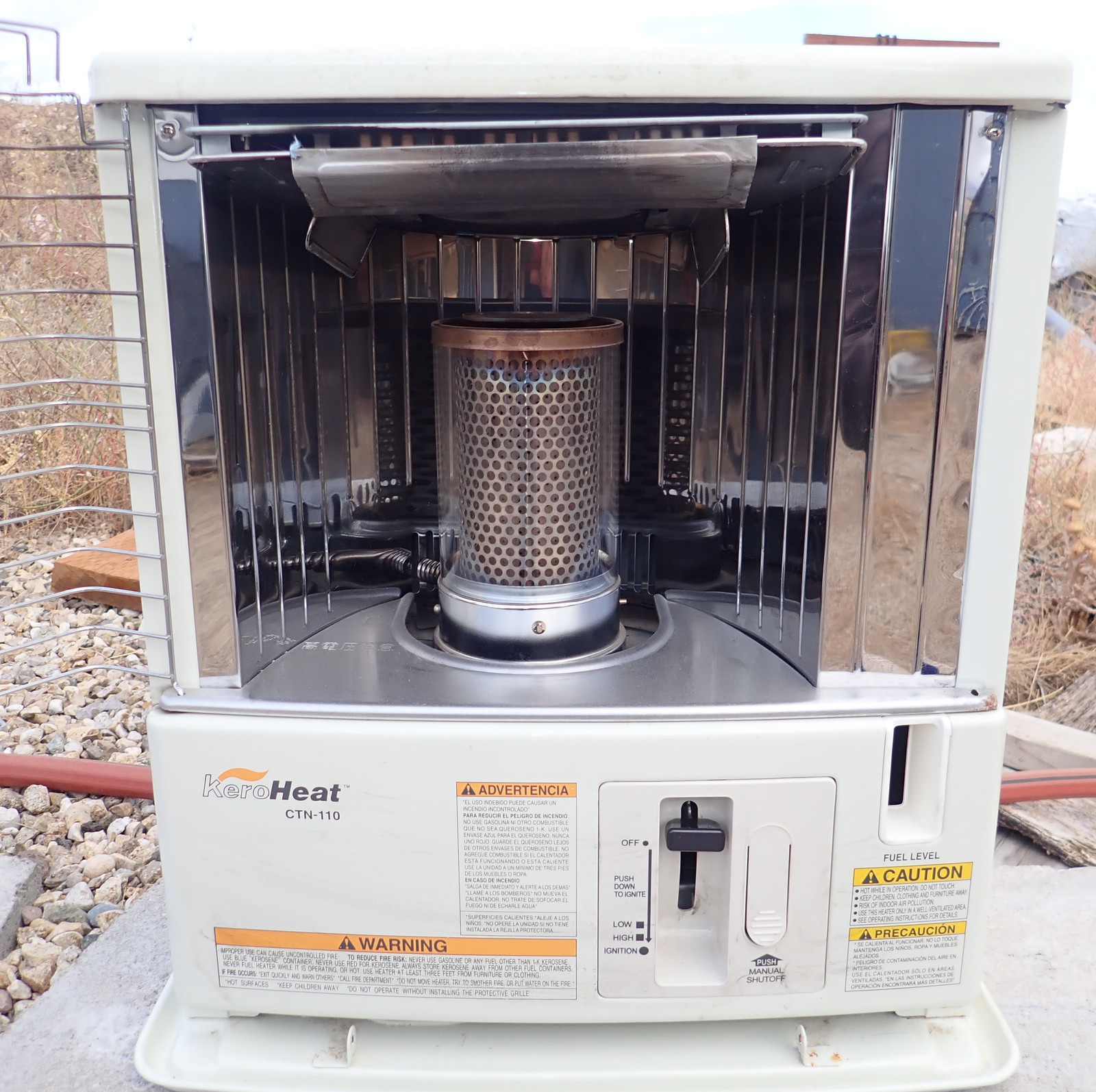
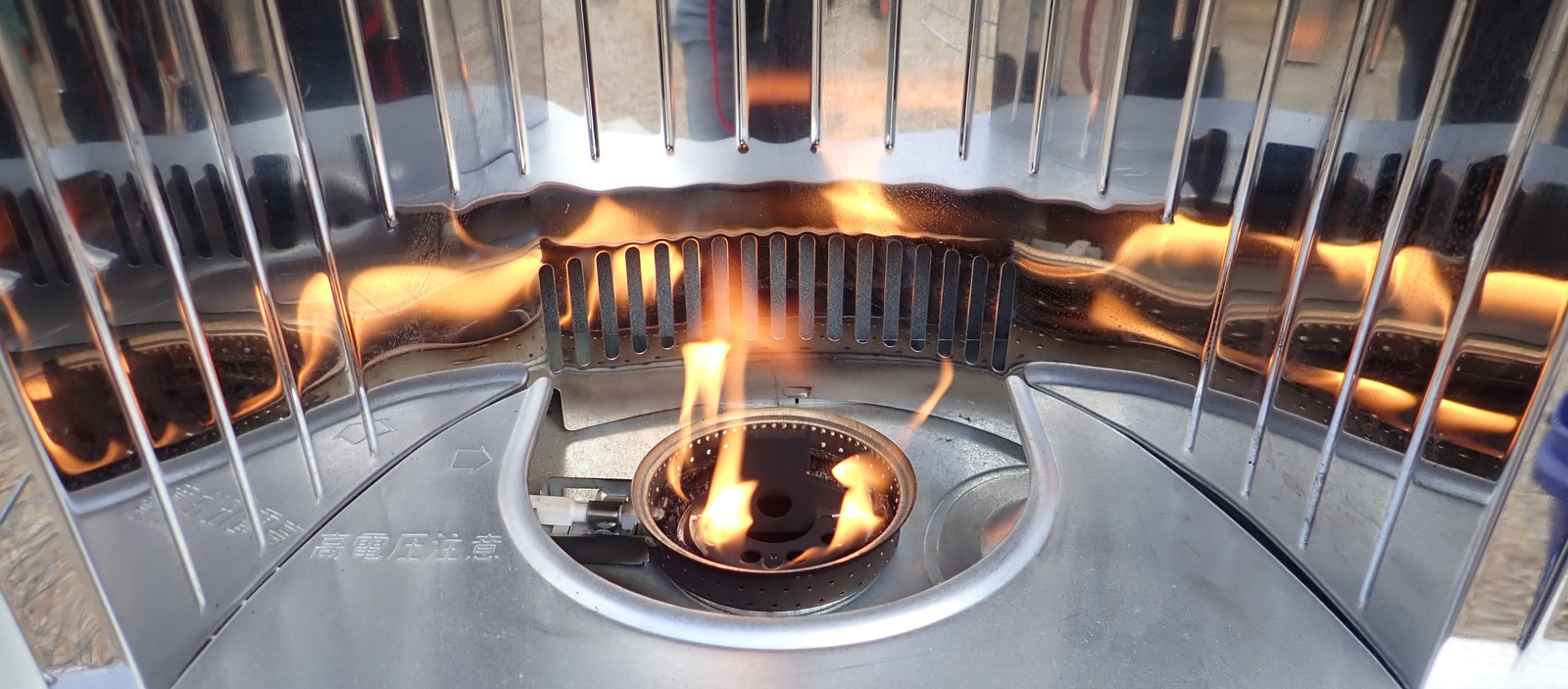
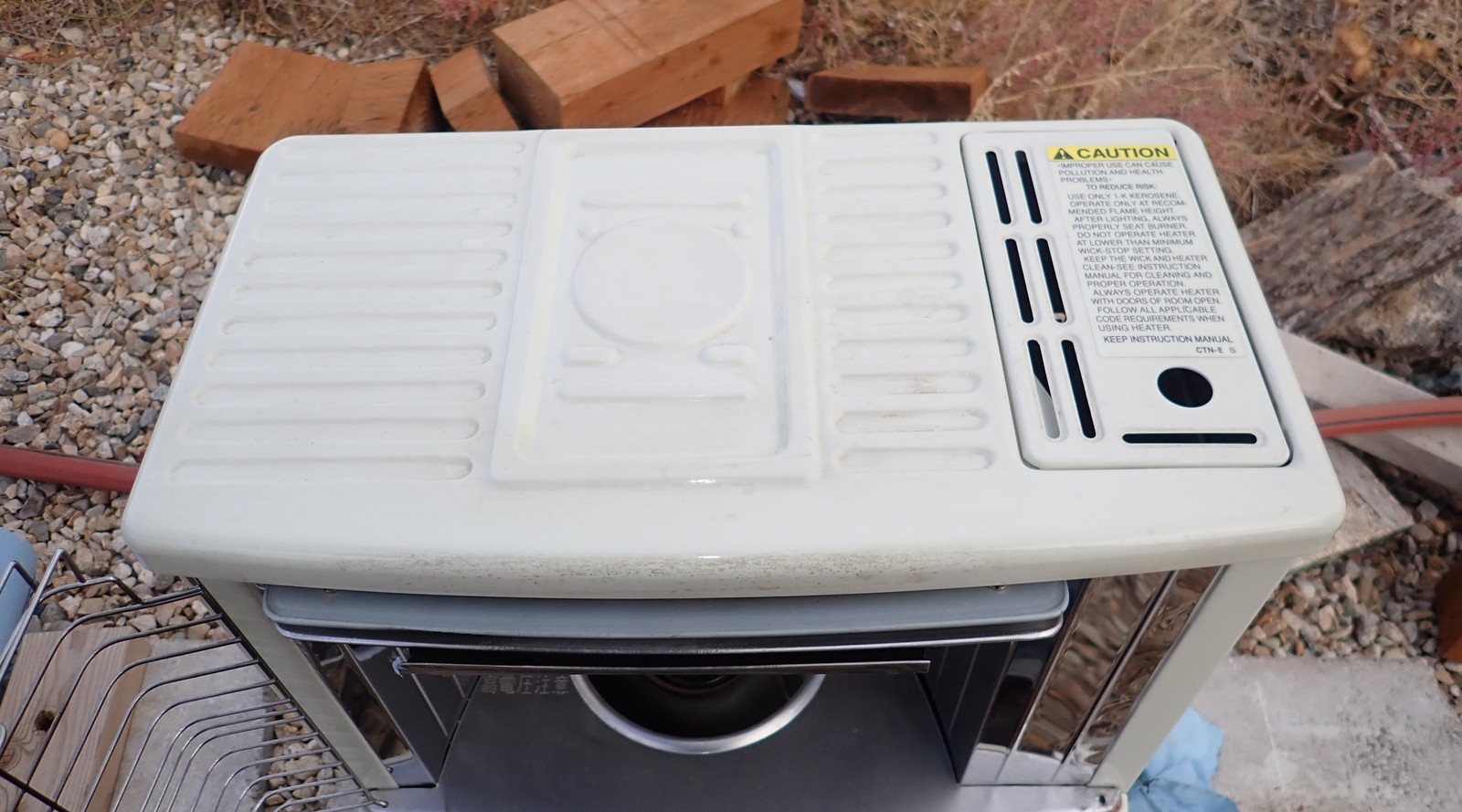
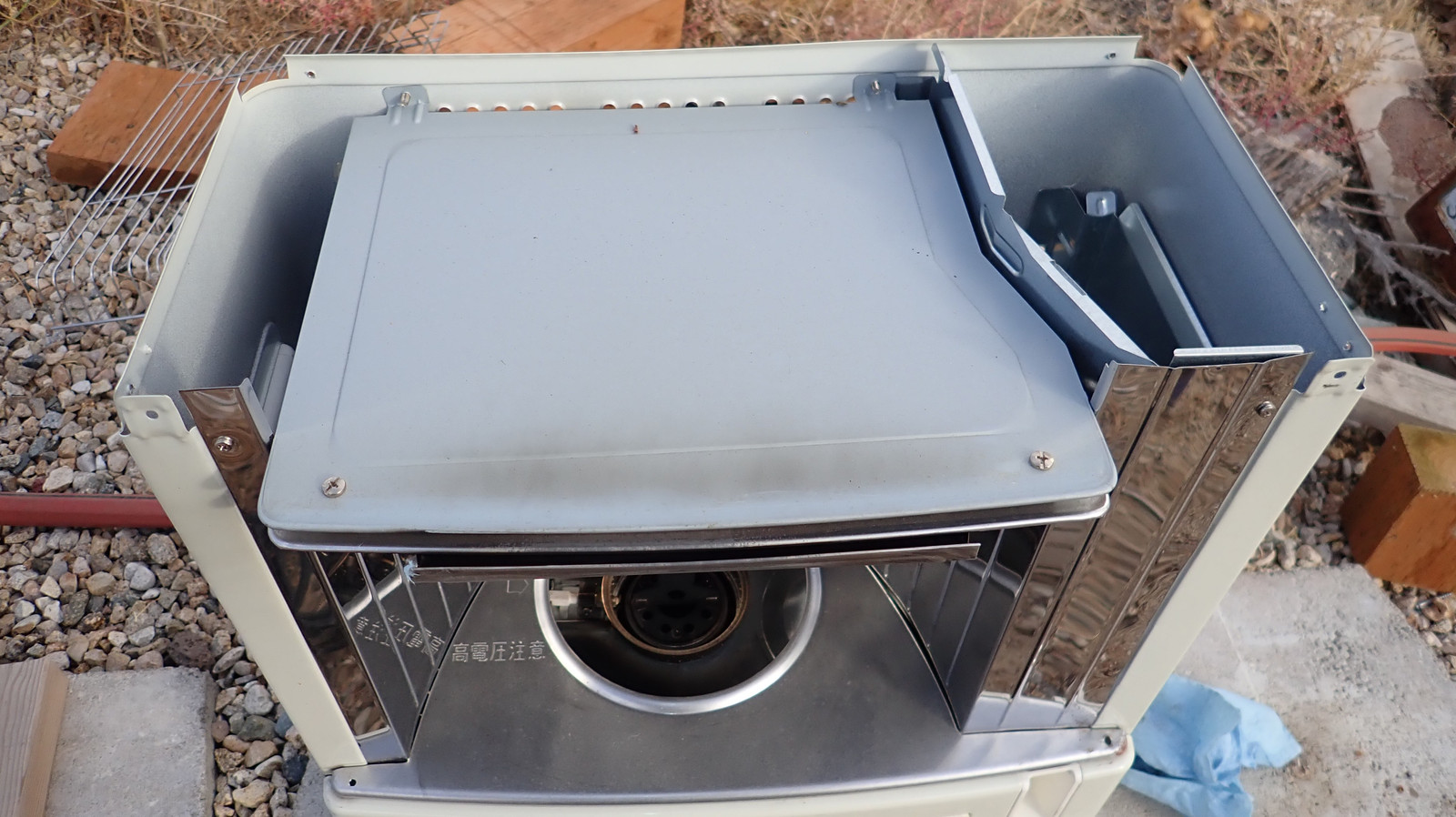
Familiarizing yourself with the components of your kerosene heater ensures safer operation and easier maintenance. The top section typically houses the combustion chamber and heat-emitting elements, protected by a safety grille that prevents accidental contact with hot surfaces.
The control knobs allow you to adjust flame height and heat output, while the ignition mechanism—either manual or battery-powered—gets the combustion process started. Many models include safety features like tip-over shutoff switches and automatic fuel cutoffs.
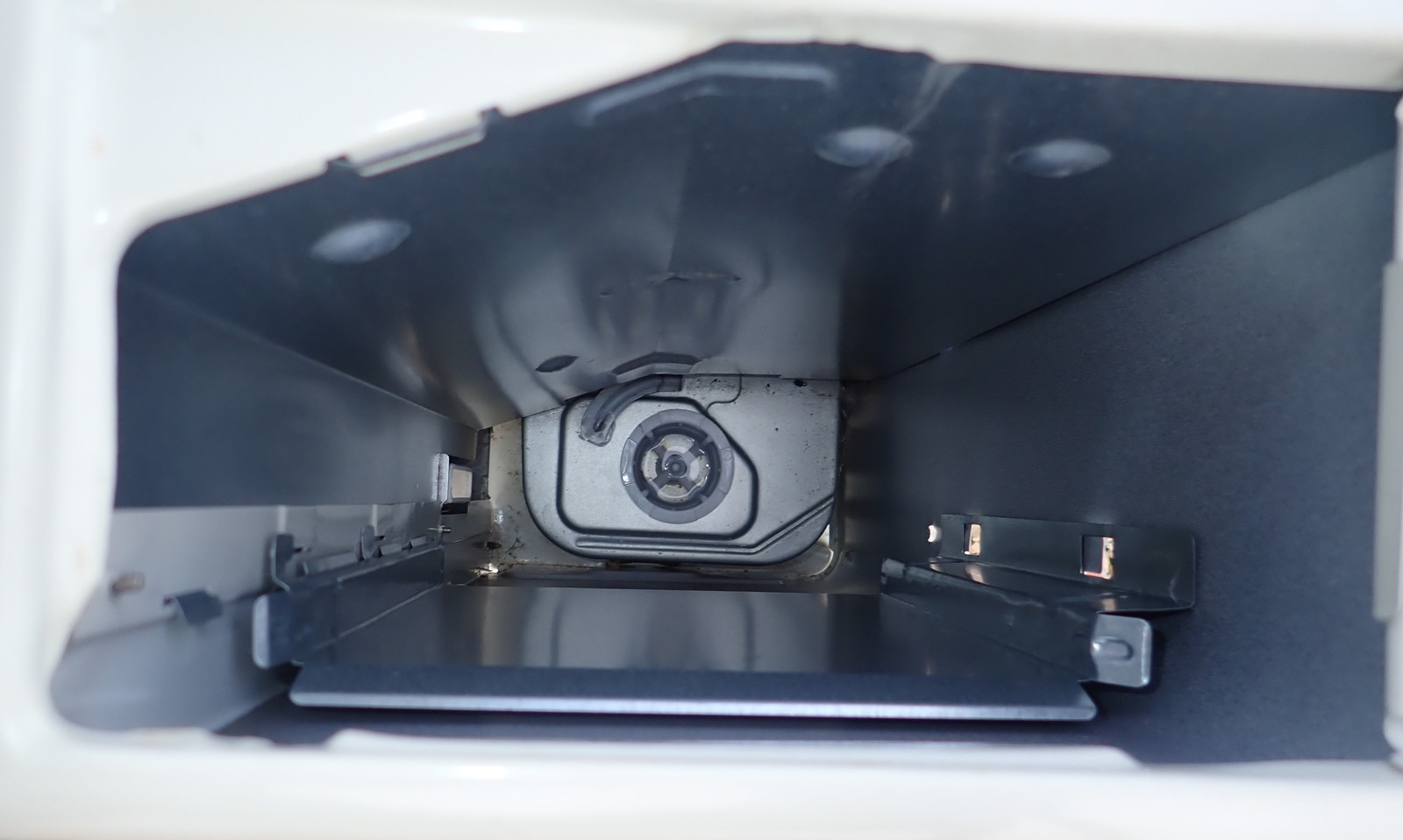
The fuel tank, usually located at the base for stability, feeds kerosene to the wick through capillary action. This simple yet effective design has remained relatively unchanged for decades because it works reliably under demanding conditions.
Fueling Your Heater Safely
Proper fueling technique is essential for both safety and optimal heater performance. Always ensure the heater is completely cool and turned off before adding kerosene. Never attempt to refuel a heater that's still warm, as residual heat can cause fuel vapors to ignite.
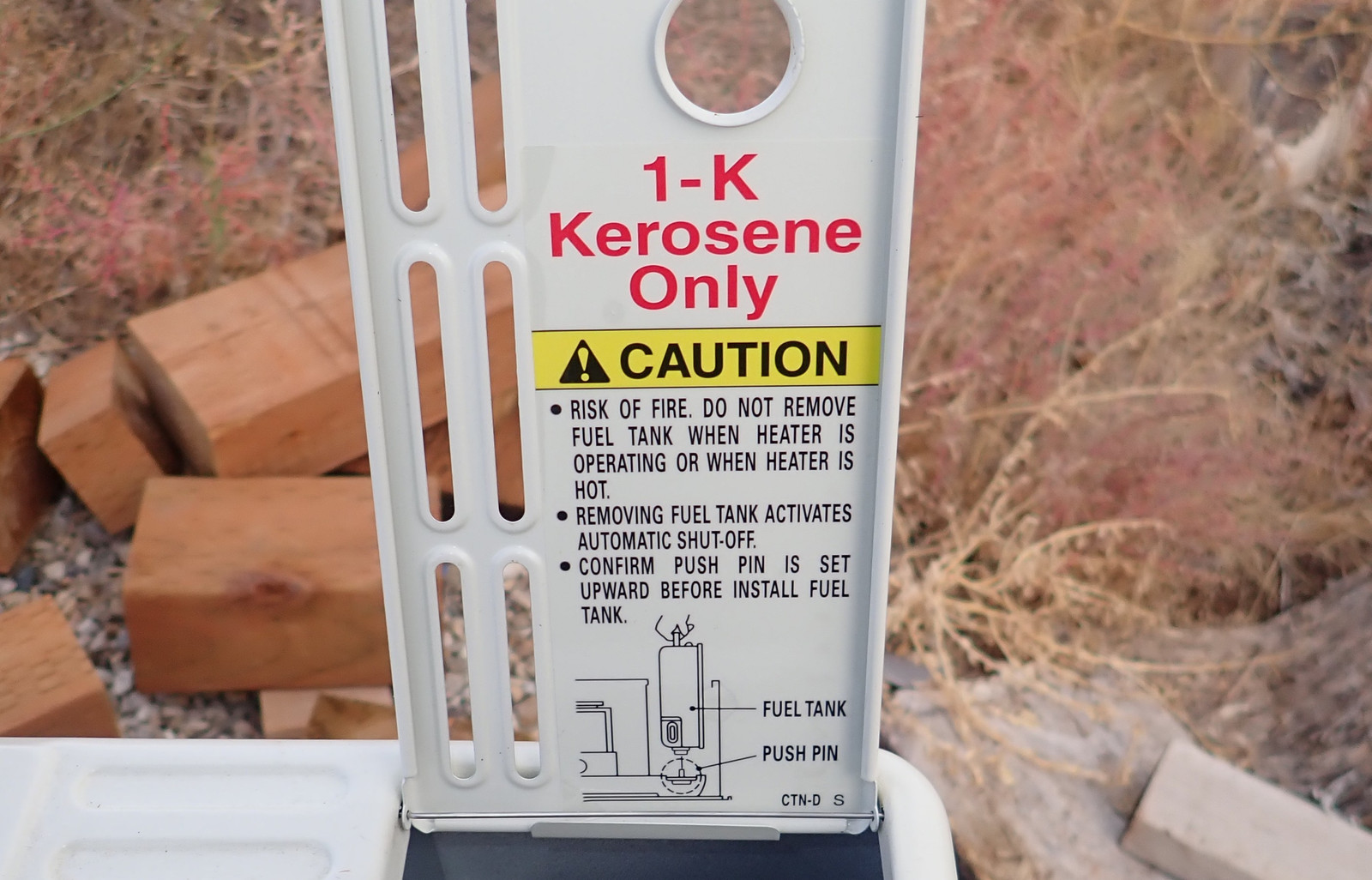
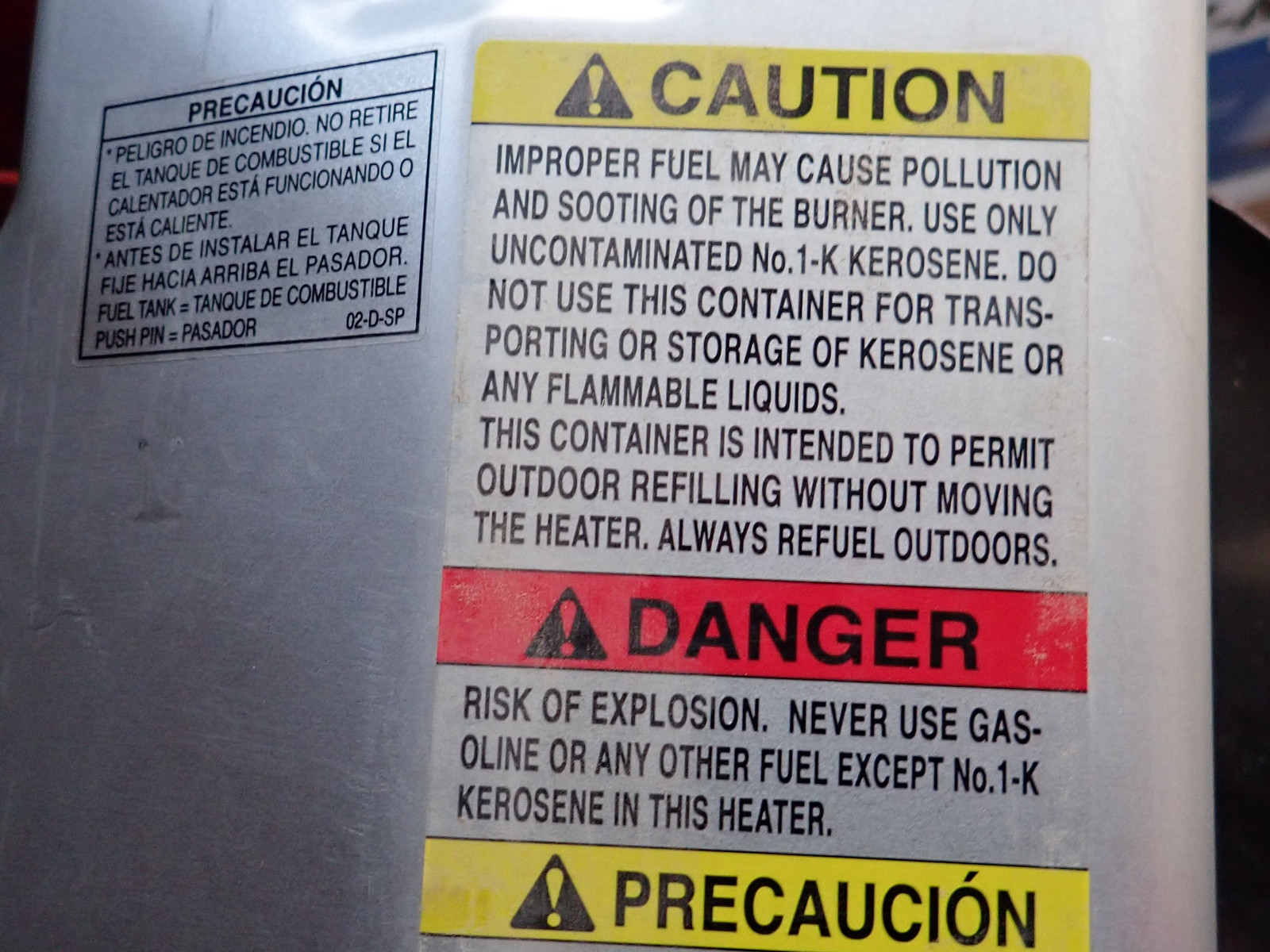
Use only high-quality 1-K grade kerosene in your heater. Lower grades or contaminated fuel can produce excessive smoke, unpleasant odors, and carbon buildup that reduces heater efficiency and lifespan. Many hardware stores and gas stations sell appropriate kerosene, often from dedicated pumps.
When filling the tank, leave a small air gap at the top to allow for fuel expansion. Wipe up any spills immediately and ensure the fuel cap is securely tightened before operation. Store extra kerosene in approved containers away from heat sources and living areas.
⚠️ Important Safety Reminder
Never use gasoline, diesel, or other fuels in a kerosene heater. These fuels have different combustion properties and can cause dangerous flare-ups, toxic fumes, or explosions. Always verify you have the correct fuel before filling.
Wick Maintenance and Replacement
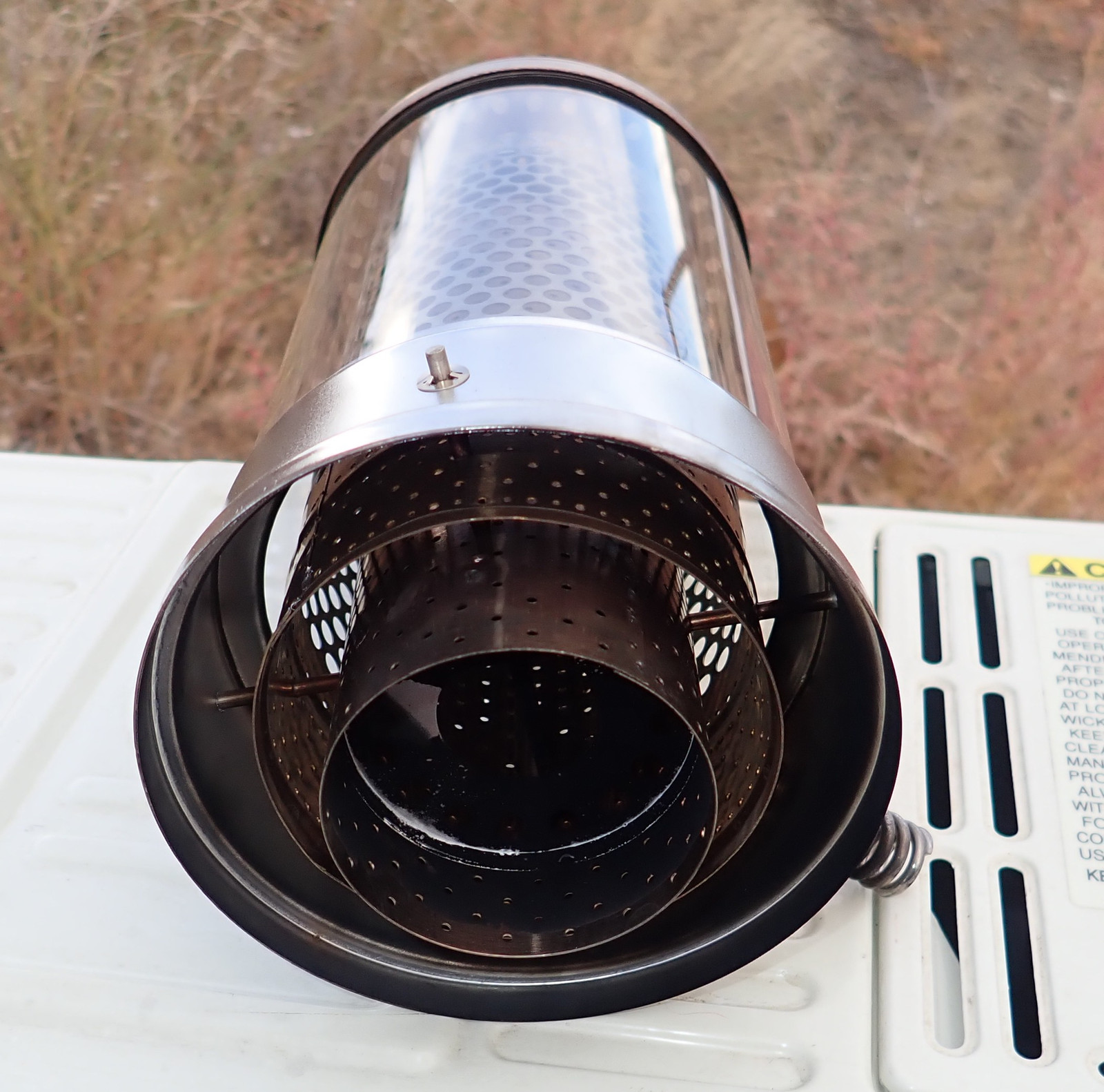
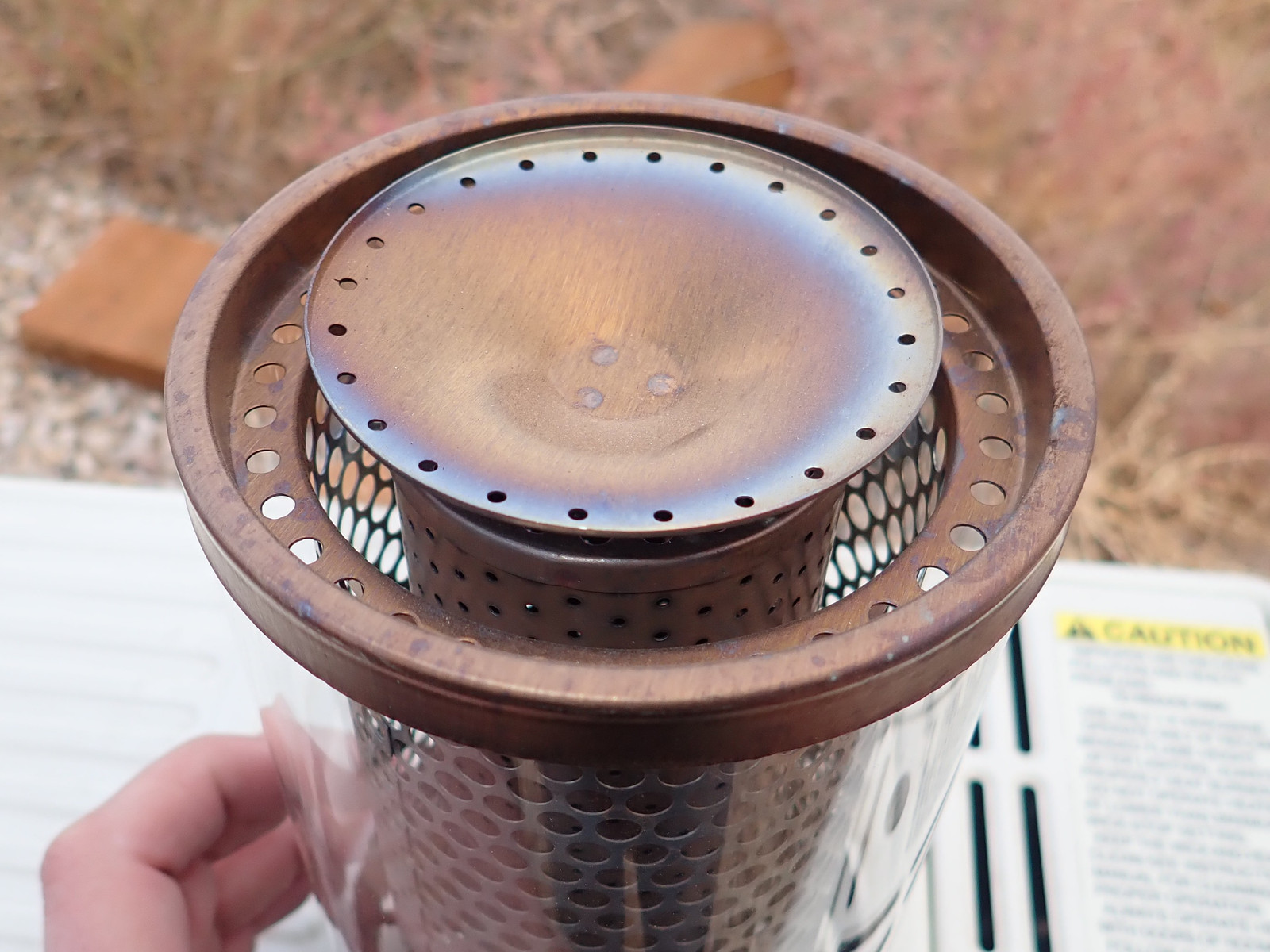
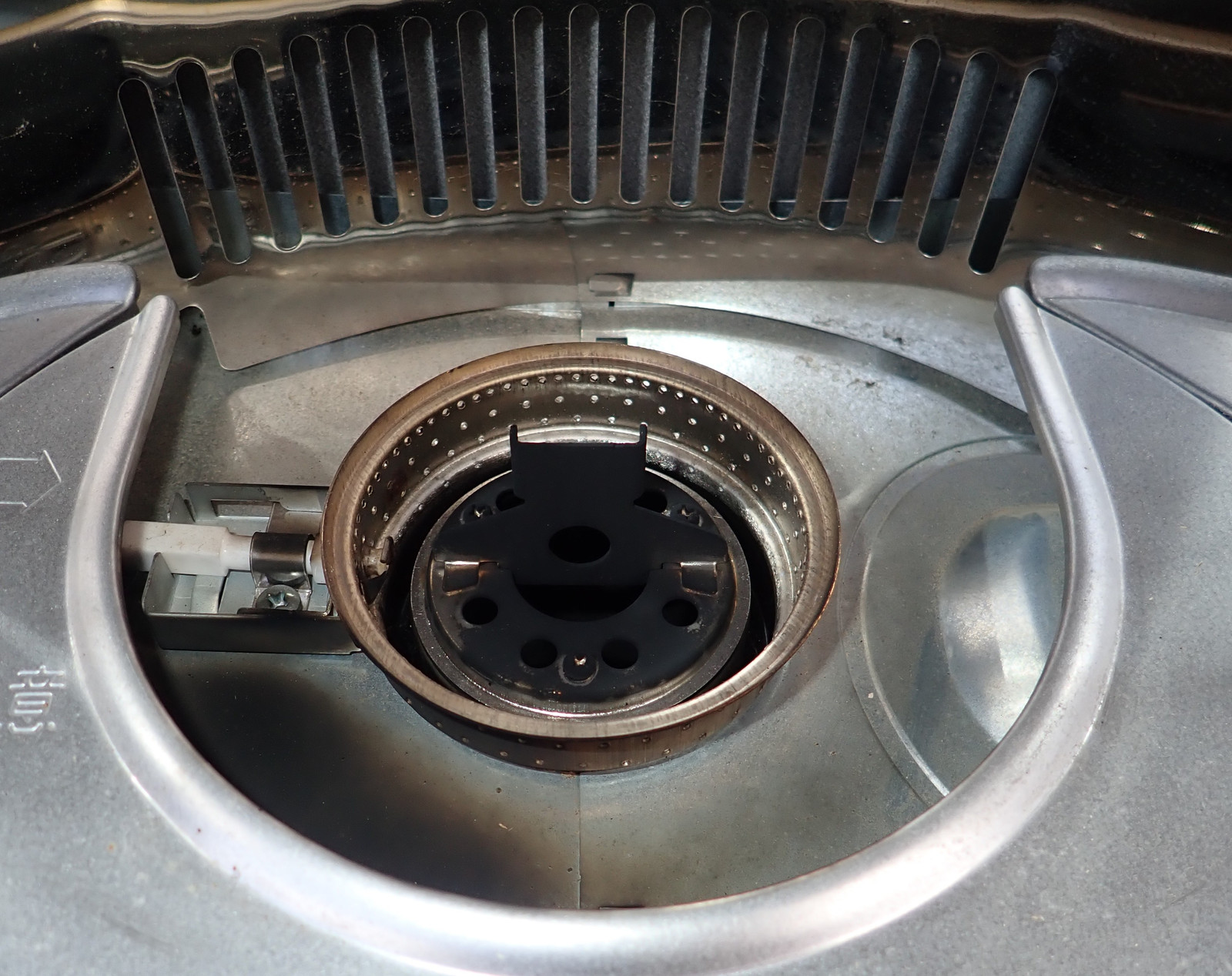
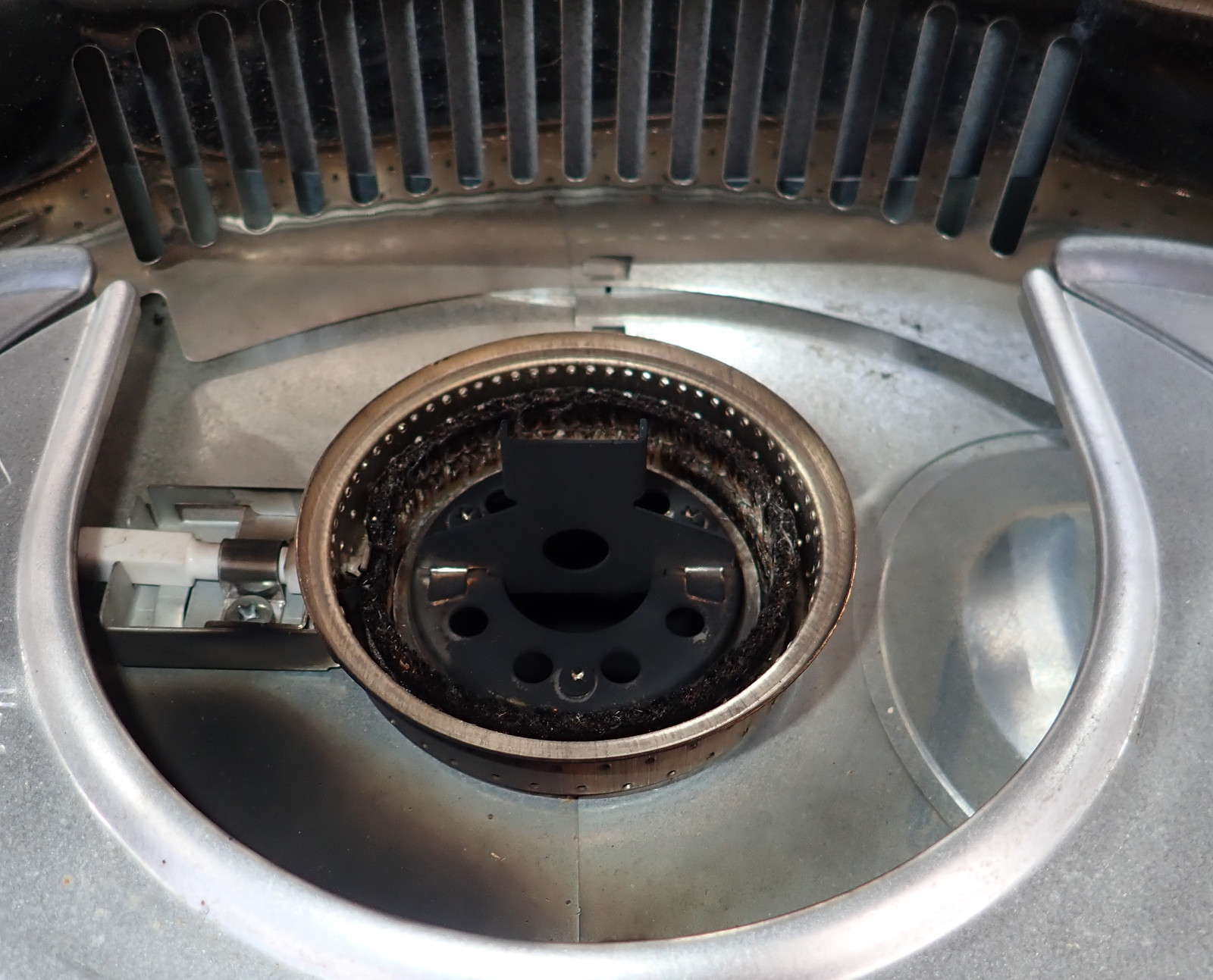
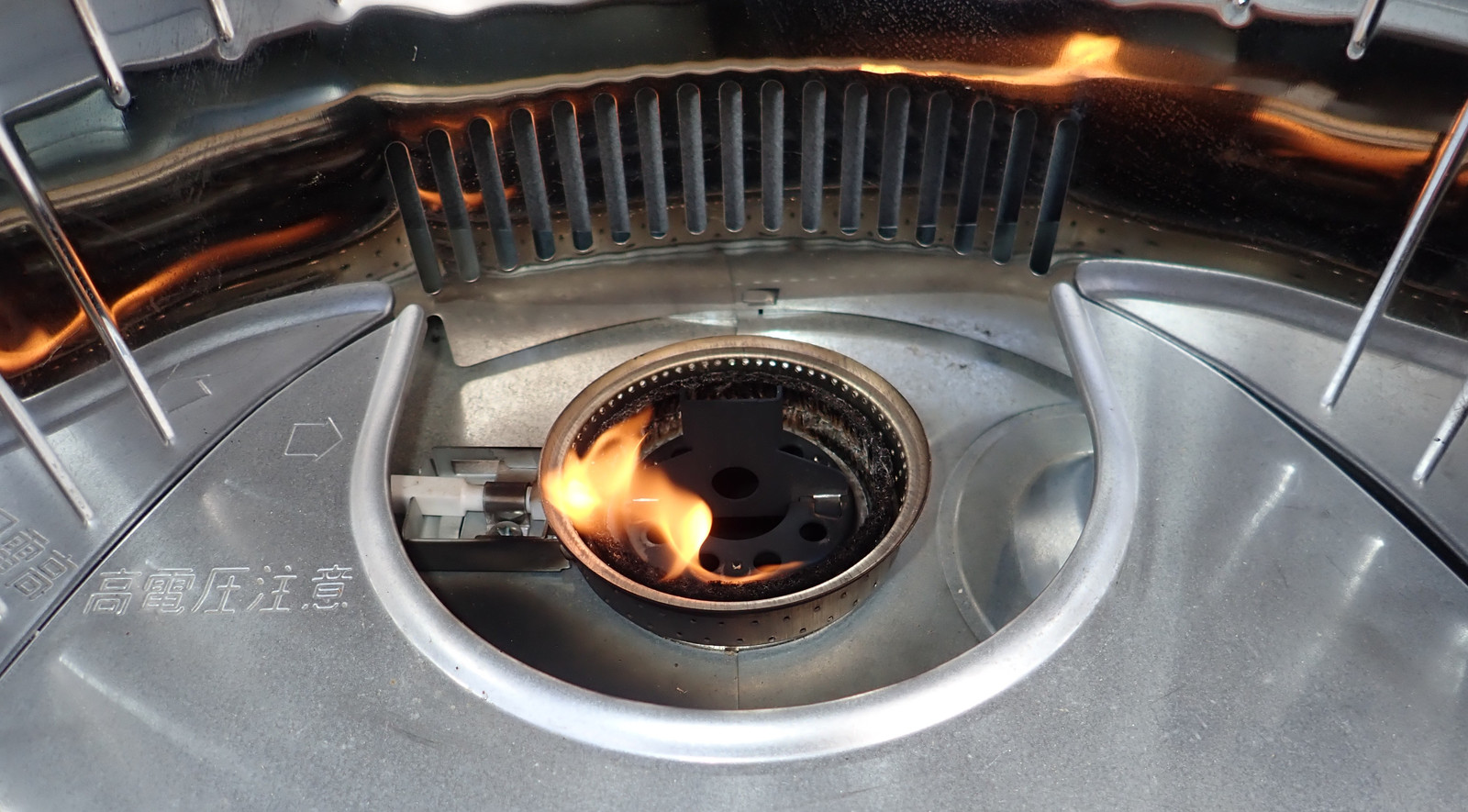
The wick is the heart of your kerosene heater, and proper maintenance extends both wick life and heater performance. Over time, carbon deposits accumulate on the wick surface, reducing fuel flow and combustion efficiency.
Regular dry burning—running the heater until the fuel is completely exhausted—helps remove these deposits and restore wick performance. This process should be done outdoors or in a well-ventilated area, as it produces more smoke than normal operation.
When dry burning no longer restores performance, or when the wick becomes too short, replacement is necessary. Most manufacturers offer replacement wicks specific to each heater model. Following the manufacturer's instructions ensures proper fit and safe operation.
Outdoor Operation Guidelines
Kerosene radiant heaters truly shine in outdoor applications where their directional heat output can be focused exactly where needed. Patios, workshops, garages, and covered outdoor areas all benefit from the immediate warmth these heaters provide.
Position the heater on a stable, level surface away from combustible materials. Maintain clearance distances as specified by the manufacturer—typically several feet from walls, furniture, and other objects. Wind can affect flame stability, so some wind protection may be necessary in exposed locations.
Never leave an operating heater unattended outdoors, and always extinguish the flame before moving the unit. Even after shutdown, allow adequate cooling time before handling or storing the heater.
Indoor Operation Considerations
Indoor use of kerosene heaters requires additional precautions due to the enclosed environment. Adequate ventilation is absolutely essential—combustion consumes oxygen and produces carbon dioxide, carbon monoxide, and water vapor. A slightly cracked window or door provides necessary fresh air exchange.
Install carbon monoxide detectors in any space where you plan to use kerosene heating. These inexpensive devices provide critical early warning of dangerous gas buildup. Place detectors according to manufacturer guidelines, typically at breathing height and away from the heater itself.
Keep the heater away from high-traffic areas to prevent accidental contact or tip-over. Establish a safety perimeter that household members and pets understand and respect. Many modern heaters include tip-over switches that automatically extinguish the flame if the unit is knocked over.
Cost Considerations
Understanding the economics of kerosene heating helps you make informed decisions about when and how to use these appliances. Initial heater costs vary widely based on heating capacity, features, and build quality, but even premium models represent a modest investment compared to permanent heating installations.
Fuel costs fluctuate with petroleum markets, but kerosene typically remains competitively priced compared to propane and electricity. The key advantage lies in kerosene's energy density—you get substantial heat output per gallon, making it economical for supplemental or emergency heating scenarios.
Maintenance costs are minimal: occasional wick replacement and annual cleaning represent the primary ongoing expenses. The simple mechanical design means fewer components that can fail, contributing to the legendary reliability of kerosene heaters.
Final Thoughts
Kerosene radiant heaters occupy a unique and valuable position in the heating landscape. Their combination of portability, fuel independence, and effective heat output makes them ideal for emergency preparedness, outdoor activities, and supplemental heating needs.
Success with kerosene heating comes down to understanding your equipment, following safety protocols, and using quality fuel. With proper care, a good kerosene heater will provide reliable warmth for many years, ready whenever you need it most.
Whether you're facing an unexpected power outage, working in an unheated garage, or enjoying the outdoors on a crisp evening, a kerosene radiant heater stands ready to deliver dependable, effective warmth exactly when and where you need it.
Ready to Stay Warm?
Discover our selection of high-quality kerosene radiant heaters designed for reliability and performance.
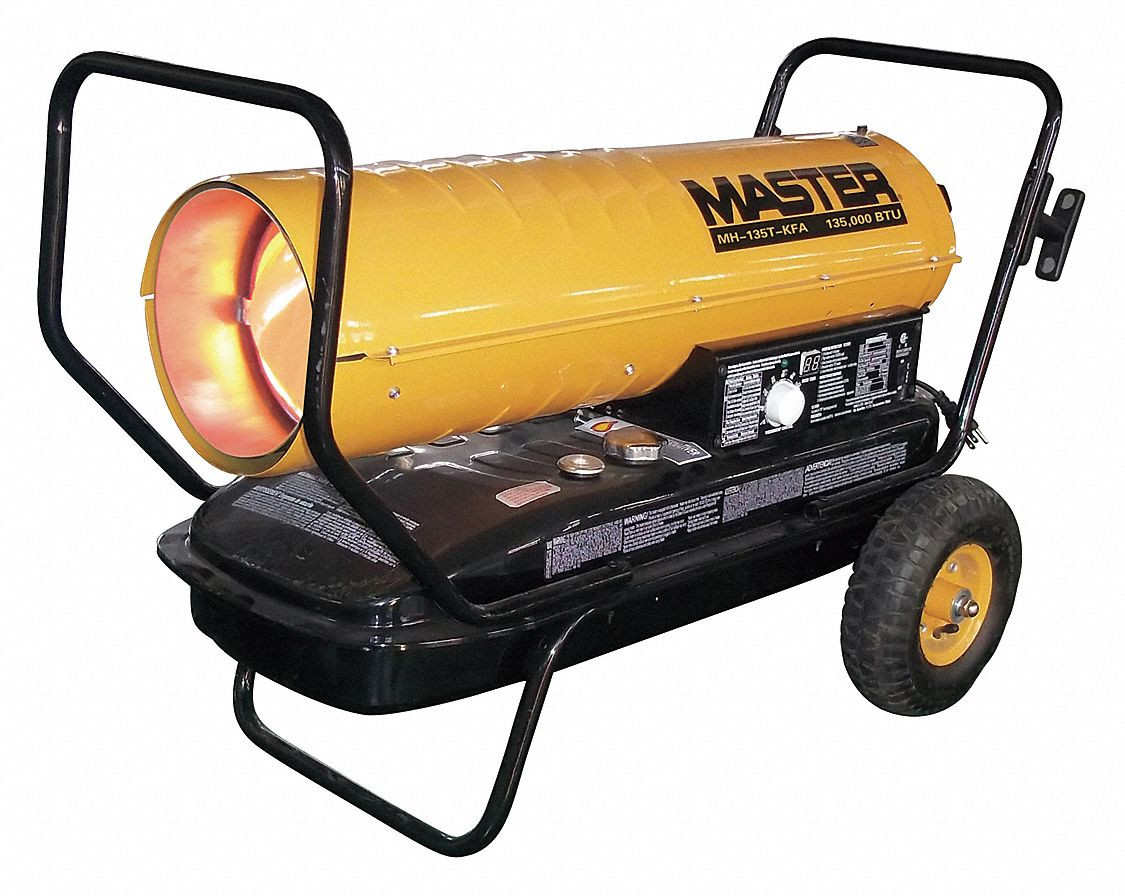
Mr. Heater 125K BTU Kerosene HeaterAlways follow manufacturer guidelines and local regulations when operating kerosene heaters.