

An air-source heat pump delivers efficient heating and cooling for your home in a single system. When installed correctly, it can move two to four times more heat energy into your living space than the electrical energy it actually consumes. That efficiency edge comes from the fact that heat pumps transfer heat rather than generate it from a fuel source like combustion furnaces.
Although air-source heat pumps have been used for decades across the United States, newer generations of equipment now perform reliably as a primary heating option even in climates that experience extended stretches of subfreezing weather.
How Air-Source Heat Pumps Work
The refrigeration system at the core of a heat pump uses a compressor paired with two sets of copper or aluminum coils — one inside and one outside — with aluminum fins added to speed up heat transfer. In heating mode, thermal energy is absorbed from the outdoor air and delivered indoors as refrigerant circulates through the compressor. A reversing valve flips the flow direction for cooling mode and for the wintertime defrost cycle. When the weather warms, that same system pulls heat out of your home and releases it outdoors.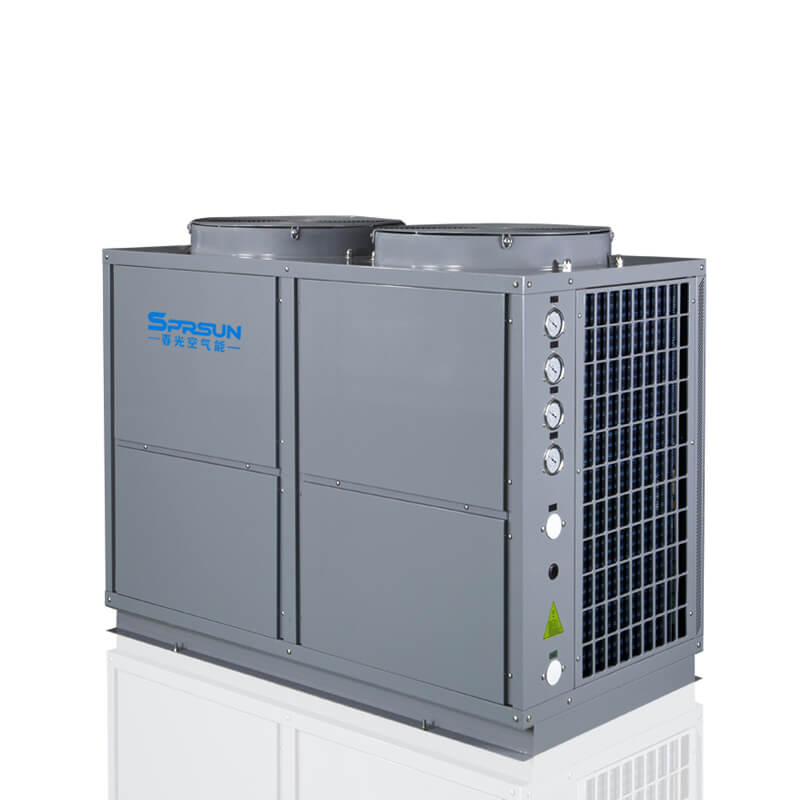
Efficiency and Performance
Today's heat pumps outperform earlier generations thanks to a handful of engineering upgrades that work together to cut energy use and smooth out comfort:
Electronic & Thermostatic Expansion Valves
Deliver more precise refrigerant flow control to the indoor coil, improving overall system accuracy.
Variable-Speed Blowers
Reduce airflow energy demand during partial-load operation and help compensate for restricted ducts or dirty filters.
Improved Coil Design
Thicker coils deliver stronger dehumidification performance and more consistent indoor air handling.
Advanced Motors & Compressors
Inverter-driven designs modulate continuously between low and high output for stronger efficiency gains and better humidity control.
Types of Air-Source Heat Pumps
Choosing the right configuration depends on your home's layout, preferences, and heating and cooling needs. Here's a breakdown of the main options to help guide your decision:
-
Ductless vs. Ducted vs. Short-Run Ducted
- Ductless systems need minimal construction and are well suited to additions, studios, or smaller homes. They skip duct losses but can't run high-MERV filtration or add ventilation.
- Ducted systems plug into existing ductwork and are ideal for homes already set up for forced-air heating or cooling.
- Short-run ducted systems rely on compact sections of traditional ductwork and are typically paired with ductless heads for multi-area coverage.
-
Split vs. Packaged
- Split systems place one coil and fan indoors and another outdoors, with supply and return ducts feeding the central indoor coil and fan.
- Packaged systems combine every component into a single outdoor cabinet, pushing conditioned air into the home through ductwork routed through a wall or roof.
-
Multi-Zone vs. Single-Zone
- Ducted systems: single-zone units use one thermostat; multi-zone setups add motorized dampers plus additional thermostats.
- Mini-split systems: single-zone pairs one outdoor condenser with one indoor head, while multi-zone versions support multiple indoor heads on a single outdoor unit for room-by-room control.
Selecting the Right Heat Pump
Every residential heat pump sold in the United States ships with an EnergyGuide label that lists its heating and cooling efficiency ratings. These two ratings carry the most weight in your decision:
- Heating Efficiency (HSPF): The Heating Season Performance Factor measures total heat delivered across a heating season divided by the total electrical energy used. A 10.3 HSPF unit produces roughly 10,300 BTU per kWh consumed. Electric resistance heat, by comparison, produces only about 3,400 BTU per kWh.
- Cooling Efficiency (SEER): The Seasonal Energy Efficiency Ratio measures total heat removed over a cooling season divided by total electrical energy used. A 16 SEER unit delivers about 16,000 BTU of cooling per kWh consumed.
Higher HSPF and SEER numbers generally mean higher upfront cost, but the energy savings recoup that premium several times over during the service life of the unit. Swapping out an older central unit for a modern heat pump cuts energy use sharply and keeps heating and cooling bills considerably lower.
A few other factors are worth weighing when you're picking and installing your system:
- Opt for a unit with demand-defrost control, which limits defrost cycles and reduces both supplementary and heat pump energy use.
- Fans and compressors create noise. Keep the outdoor unit away from bedroom windows and neighboring structures, and look for a lower decibel rating. Mounting the unit on a sound-absorbing pad helps too.
- The outdoor unit's location matters for efficiency. Shield it from strong prevailing winds (a frequent defrost trigger) and elevate it above expected snow depth where applicable.
When shopping electric air-source heat pumps, look for the ENERGY STAR label. In warmer regions, prioritize SEER. In colder regions, focus on the highest HSPF rating you can reasonably reach.
Mitsubishi PVA-AA24NL & PUZ-AH24NL 24,000 BTU Air Handler Heat Pump System
A 19.2 SEER2 multi-position air handler paired with a cold-climate-ready outdoor unit using next-generation R454B refrigerant. Engineered for strong heating performance in demanding climates with quiet, inverter-driven operation and precise zone-level comfort.
Shop Mitsubishi 24K SystemPerformance Issues with Heat Pumps
Heat pumps can run into trouble when airflow is poor, ducts are leaky or restrictive, the refrigerant charge is off, or the auxiliary electric strip wiring is set up improperly. Hiring a qualified technician for both installation and service is the single best way to avoid these issues and keep the system efficient.
Look for technicians trained through programs recognized under the DOE's Energy Skilled Heat Pump Programs. These programs identify the organizations that certify technicians and provide the training needed for correct installation and service work.
Finding a skilled, experienced contractor is one of the most important steps to protect the long-term performance of your HVAC investment — and it's often the biggest hurdle for homeowners beyond the purchase cost itself. Hire someone certified by a recognized program to get the most out of your new system.
- Airflow should be roughly 400 cubic feet per minute per ton of cooling capacity. Performance slips noticeably below about 350 cfm per ton. Technicians can recover airflow by cleaning the evaporator coil, servicing the fan speed, or in some cases adjusting the ductwork.
- Refrigerant charge should be leak-checked during install and at every service call. Packaged heat pumps are charged at the factory and rarely off, but split-system units are charged in the field — incorrect charge or airflow here can push the system far from the manufacturer's listed SEER and HSPF.
- Energy codes require heat pumps with auxiliary electric resistance backup heat to include controls that block unnecessary strip heat operation. This is one of the most commonly ignored installation rules for heat pumps.
Heat Pump Balance Point
For any home with any given heat pump, there's a specific winter outdoor temperature where the pump's capacity equals the home's heating load. That crossover point is called the balance point, and in code-built homes it usually lands below 40°F. Once the outdoor temperature drops past that threshold, auxiliary heat kicks in to cover the shortfall.
Many heat pump controls are wired in a way that triggers the auxiliary strip heat the moment the indoor thermostat setpoint jumps by more than three degrees — regardless of what the weather is doing outside. The result is wasteful auxiliary heating in conditions where the compressor alone would have covered the load just fine.
For instance, if the outside temperature is 50°F and a homeowner bumps the thermostat from 66°F to 70°F, strip heat should never run at all. There are several ways to prevent this, including adding an outdoor lockout thermostat. Make sure your system is wired correctly so it doesn't burn money and energy on unnecessary auxiliary heat.
HEAT PUMP BALANCE POINT
Where heat pump capacity matches home heating load.
Conclusion
Air-source heat pumps deliver efficient, versatile heating and cooling for homes across a wide range of climates. By choosing the right configuration and pairing it with a proper installation, you'll unlock meaningful energy savings and lasting comfort for years to come.