


Which Washing Machine Cycle Is Best for My Laundry?
Your first step is always to check your clothing labels. Every garment carries care symbols that tell you exactly what your washing machine settings should be. If you're unsure what those symbols mean, your machine's manual is a great reference — as is the label guide on many modern washers.
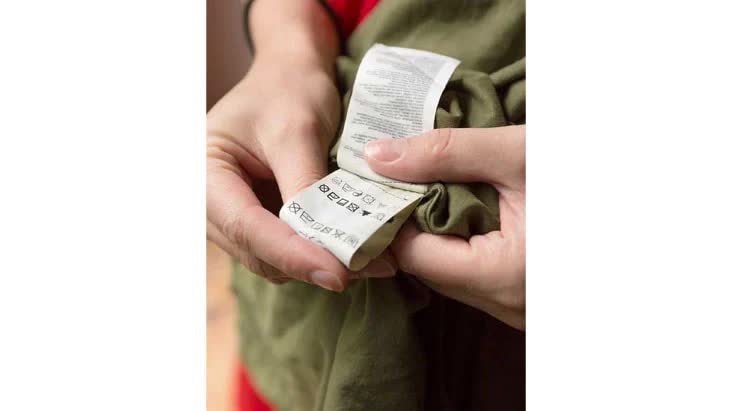
Even after checking labels, choosing the right programme can feel overwhelming. Here's a look at the most commonly used cycles and when to use each one:
Cotton
The workhorse cycle. Designed for everyday cottons — shirts, towels, bed linen, jeans. It uses longer wash times and stronger agitation to lift deep-seated dirt effectively.
Mixed / Easy Care
Perfect for a mixed load — synthetics, lightly worn garments, and everyday fabrics like polyester, nylon, and acrylic. Also works beautifully for spring-cleaning curtains and throw pillows.
Delicates
A gentle, low-agitation cycle ideal for silk, lace, and fine knitwear. Mimics the care of handwashing while protecting fabric structure and elasticity.
Quick / Express
Best for lightly soiled items you need refreshed fast — not for heavily soiled or heavily creased garments. Great for gym wear or items worn only brieflyNot sure which to choose? Select Mixed / Easy Care as your go-to — it handles most everyday laundry without risk of damage. For larger items like duvets and bed covers, check whether your machine includes a dedicated Duvet or Bulky Items cycle.
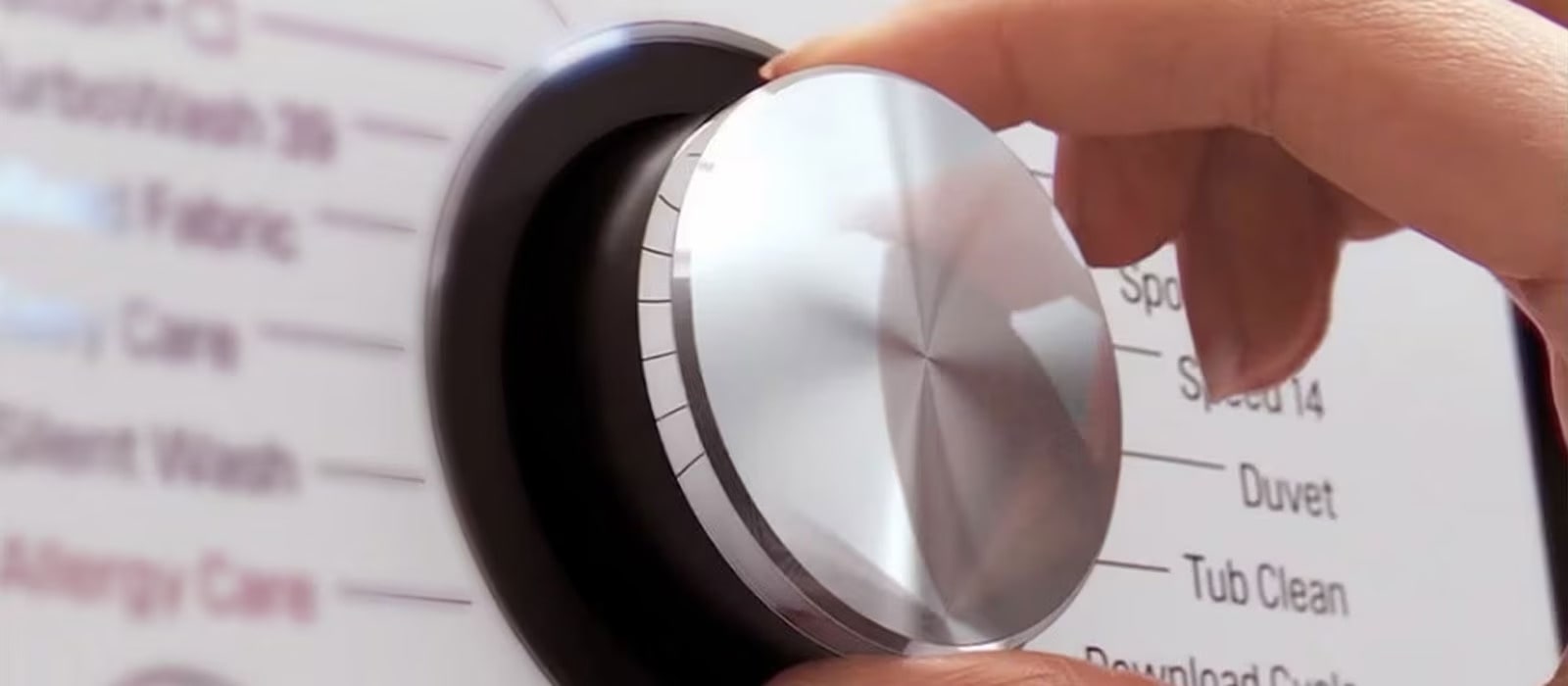
Many modern washers also offer an AI Wash or Auto Detect function that senses the weight and fabric type of your load and adjusts settings automatically — a great option if you'd rather let the machine do the thinking.
What Temperature and Spin Speed Are Right for My Load?
If you're ever unsure about temperature, check the care label — it's the most reliable source for that specific garment. Most modern machines also have a sensible default temperature pre-set for each cycle, which takes the guesswork out of the equation.
That said, here are a few useful ground rules that will serve you well across most laundry situations:

| Fabric / Item | Recommended Temp | Spin Speed |
|---|---|---|
| Heavily soiled whites & cottons | 60°C – 90°C | 1000–1400 rpm |
| Everyday mixed loads | 30°C – 40°C | 800–1000 rpm |
| Bright colours | Cold – 30°C | 600–800 rpm |
| Delicates & fine fabrics | Cold – 30°C | 400–600 rpm |
| Wool & handwash items | Cold – 30°C | 400 rpm or less |
Pro tip: Warm water (around 40°C) tackles most stains effectively and is gentle enough for most fabrics. Hot water (60°C+) is best reserved for heavily soiled whites, towels, and bedding. Cold water is ideal for delicates and lightly worn bright garments — and it saves energy, too.
How Can I Reduce the Environmental Impact of My Laundry?
The good news is that reducing your laundry's footprint doesn't require any sacrifice in cleanliness. Choosing the right cycle already saves you energy and water — but there are a few additional habits that make a real difference:
- Always run a full load — Running your machine at full capacity uses roughly the same energy as a half load, so maximise every wash.
- Use the pre-wash wisely — Pre-wash is useful for very dirty items, but skipping it on normal loads saves both water and energy.
- Lower the temperature — Washing at 30°C instead of 60°C can reduce energy use significantly for most fabrics.
- Follow detergent dosing instructions — More detergent doesn't mean cleaner clothes. Excess product creates more rinse cycles and wastes water.
- Use TurboWash or Quick cycles where available — these high-efficiency cycles are specifically designed to minimise energy and water use without compromising results.

Which Detergent Is Best, and Should I Use Fabric Softener?
Once you've selected the right cycle and temperature, choosing the right detergent ensures your clothes come out truly clean. There are many formulas available — powder, liquid, capsules, and eco-strips — and each has its place:
- Powder detergent — Excellent for whites and heavily soiled loads at higher temperatures. Most economical per wash.
- Liquid detergent — Ideal for cold-water washes and delicates. Dissolves fully without leaving residue. Best for washing below 30°C.
- Capsules / pods — Convenient and pre-measured, but check they are compatible with your machine and water temperature.
- Eco-strips — A great low-waste option that works well at lower temperatures for everyday laundry.
Regarding fabric softener — these products work by coating fibres to leave clothes feeling softer and smelling fresher. However, avoid using them on sportswear, towels, or moisture-wicking fabrics, as they can reduce absorbency over time. If you're washing below 30°C, liquid detergent is the safer choice as powder may not dissolve fully and can leave residue on dark fabrics.
Midea 5.2 Cu. Ft. Front Load Washer
Multiple colour options, energy-efficient performance, and smart cycle selection — everything you need for the perfect laundry result, every time.
How Do I Keep My Washing Machine Clean?
A clean machine is the foundation of clean laundry. Residue, mould, and bacteria can accumulate inside your washer over time — affecting wash performance and leaving clothes smelling musty. Here's how to stay on top of it:
Clean After Every Wash
Wipe down the door seal and drum with a dry cloth. Leave the door and detergent drawer slightly open to allow airflow and prevent mould growth.
Run a Tub Clean Cycle
Use your machine's dedicated drum-clean cycle monthly. Set the temperature to 60°C and add washing machine cleaner tablets for a thorough internal rinse.
Clear the Dispenser Drawer
Detergent and softener can build up in the drawer over time. Remove it and rinse under warm water with a soft brush every few weeks.
Check the Drain Pump Filter
This small filter at the bottom of the machine catches lint, coins, and debris. Clear it regularly to maintain drainage efficiency and prevent error codes.
Important: Before cleaning the drain pump filter, always turn off the machine and place a towel underneath the access panel — water will likely spill out when you open it. Check your machine's manual for the exact filter location and removal steps specific to your model.
Caring for both your clothes and your machine becomes effortless when you understand how each cycle and setting works together. Apply these tips and your laundry will thank you for it.