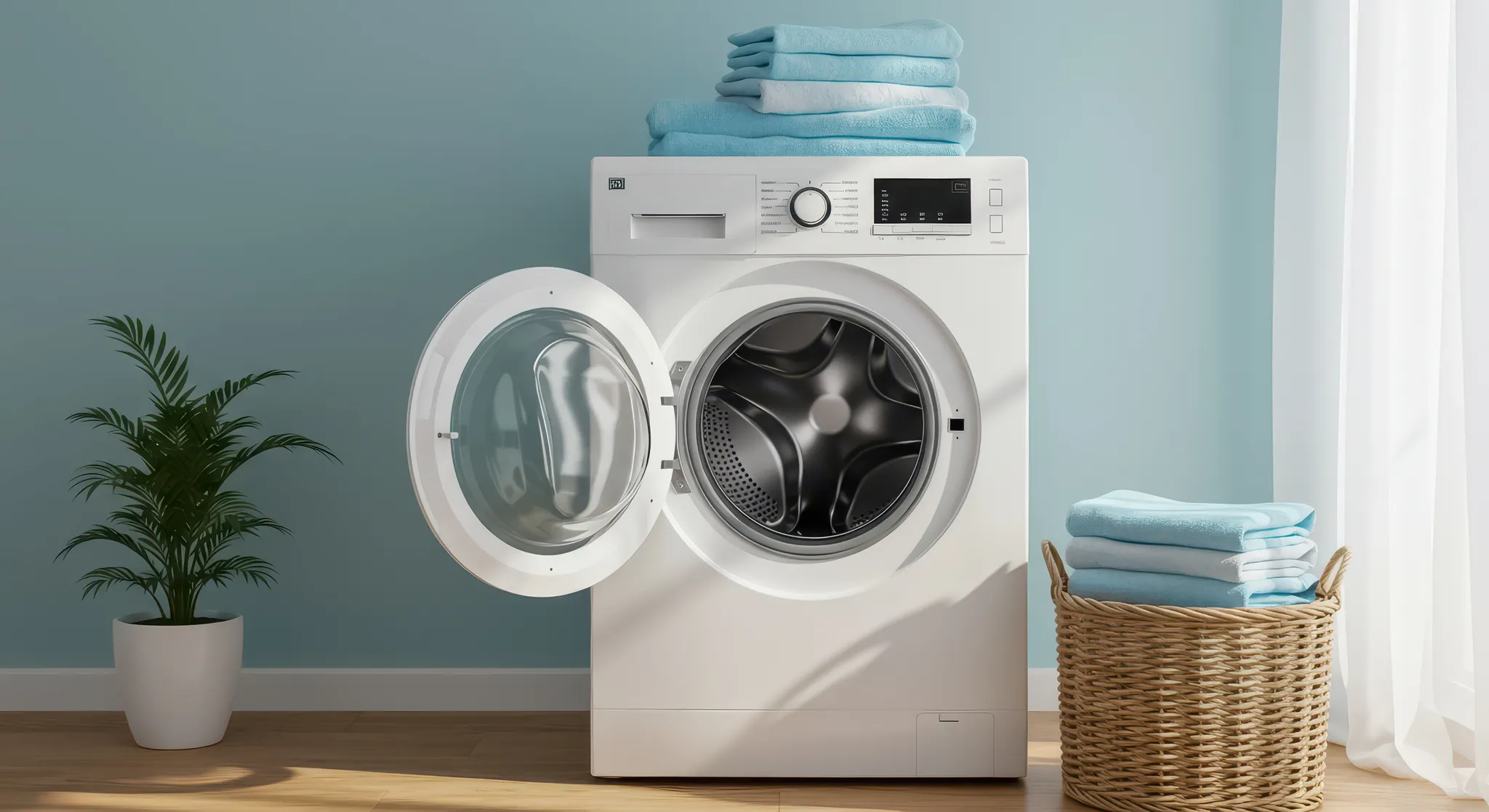
Why Is My Washing Machine Shaking?
If your washing machine has been rattling, vibrating aggressively, or wobbling during its cycles, you're not alone. A shaking washer is one of the most common household appliance complaints — and more often than not, the fix is simpler than you'd expect.
The most frequent culprits are an overloaded drum, improper installation, or leveling problems. During the spin cycle in particular, an unbalanced load can cause the machine to shake intensely as it tries to manage the shifting weight inside the tub.

Is It Normal for a Washing Machine to Shake?
A certain amount of movement during a wash cycle is completely expected — especially during the high-speed spin phase when the machine works to extract water from your clothes. Some vibration is built into the process.
That said, there's a clear difference between normal vibration and something that warrants attention. If your machine is hopping, "walking" across the floor, or producing an unusually loud banging or clanking noise, it's a sign that something is off. A properly installed and loaded washer — operated according to the owner's manual — should not be dramatically moving across the room.
Excessive shaking is your machine's way of telling you to take a closer look or consult a technician before the issue worsens.

How to Prevent Your Washer from Shaking
Before diving into complex repairs, start by troubleshooting the most common and straightforward causes. Work through the steps below one at a time, and always refer to your appliance's owner's manual for model-specific guidance.
Remove Lingering Shipping Bolts
If your washer is brand new, the very first thing to check is whether the shipping bolts have been removed. These bolts are installed by the manufacturer to secure the drum during transit — they are not meant to stay in during operation. Leaving them in can cause violent shaking and even internal damage on the very first cycle. If you've recently unboxed a new washer, confirm that every shipping bolt has been fully removed before running it again.
Inspect Your Laundry Loads
An overstuffed or poorly balanced drum is one of the leading causes of washer vibration. When the tub is filled to capacity or a single heavy item (like a large blanket or jacket) shifts to one side, the machine struggles to manage the imbalance during the spin cycle.
Try redistributing your laundry more evenly around the drum. If you regularly wash bulky items, consider pairing them with other garments to help balance the weight distribution. Avoid overfilling — a drum that's too full doesn't clean effectively and puts unnecessary stress on the machine.
Stabilize the Washing Machine
Uneven flooring is a very common — and very fixable — cause of shaking and excessive vibration. Here's how to check and correct it:
- Remove anything stored on top of or beside the washer that might shift during a cycle.
- Place a level on top of the appliance and check both side-to-side and front-to-back balance.
- Adjust the leveling legs using an adjustable wrench or pliers — raise or lower each leg until the machine sits evenly on all four points.
- Tighten any jam nuts against the legs to lock them in place once leveled.
- If your washer is on a pedestal, check that all mounting screws are snug and that the lock-nut securing each leg is firmly pressed against the appliance frame.
Check the Washer Basket or Drum
If the steps above haven't resolved the issue, the problem may be internal. The shock absorbers and drum bearings inside the machine wear down over time, and when they do, the drum can develop a wobble that causes the whole unit to shake.
Open the washer and visually inspect the basket or drum. Try gently rotating it by hand — any grinding, clunking, or irregular resistance is a red flag. If you suspect worn bearings or damaged shock absorbers, this is the point where professional service is warranted. Don't ignore internal symptoms; left unchecked, they can escalate into costlier repairs.