

For optimal performance, your freezer should be dialed in at -18°C (0°F) or colder. At this threshold, bacterial activity comes to a complete standstill, food stays safely preserved over the long haul, and you sidestep the twin headaches of freezer burn and flavor loss.
Why -18°C (0°F) Is the Gold Standard
Food Safety
At -18°C, bacteria simply cannot multiply—meaning frozen items stay protected from spoilage virtually indefinitely.
Food Quality
Flavor, texture, and nutritional value all hold up best when held steadily at this ideal temperature.
Energy Efficiency
Running your freezer at the recommended setting lets the unit operate smoothly and extends its service life.
Industry Standard
It's the benchmark endorsed by food safety authorities, leading manufacturers, and regulators across the globe.
The Acceptable Range
While -18°C hits the sweet spot, most freezers run safely anywhere within the window below. For items like ice cream that benefit from a firmer scoop, dropping the dial slightly lower (around -20°C) can improve texture.
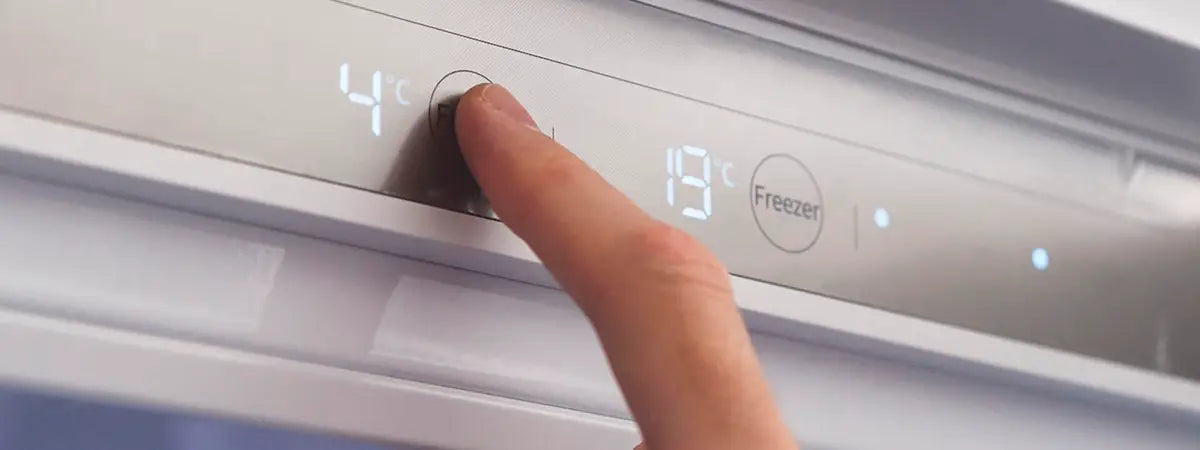
Typical safe operating range for home freezers
How to Monitor Your Freezer Temperature
- Use a Freezer Thermometer: Position one right in the middle of the compartment and take a reading after a full 24 hours have passed.
- Check the Digital Display: Most newer freezers show a temperature readout—but it's smart to cross-check periodically with a standalone thermometer.
- Watch the Warning Signs: Softened ice cream or partially melted cubes? That's a clear cue your freezer is running warmer than it should.
Quick Tips for Peak Performance
- Keep door openings to a minimum—every peek lets warm air sneak in.
- Aim for a freezer that's 75–80% full, which supports proper airflow and cold retention.
- Watch for frost accumulation, since heavy build-up chips away at both temperature stability and efficiency.