

Transform your lawn into a lush, healthy paradise with proper aeration techniques
A beautiful, thriving lawn doesn't happen by accident. It requires understanding the science behind healthy grass growth, and one of the most crucial practices is lawn aeration. Whether you're a seasoned landscaper or a homeowner looking to improve your yard, this comprehensive guide will walk you through everything you need to know about aerating your lawn effectively.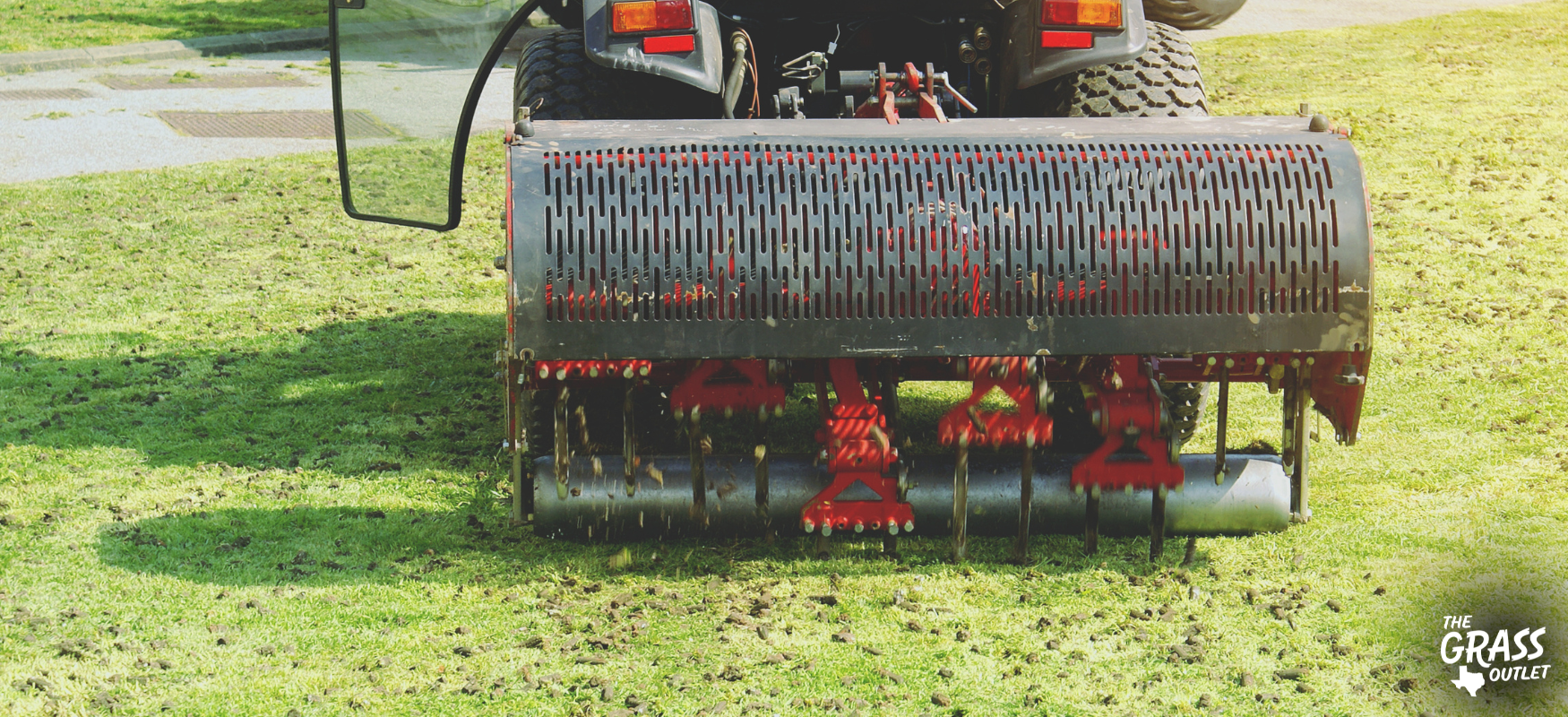
Understanding Lawn Aeration: What It Is and Why It Matters
Lawn aeration is the process of creating small openings in your soil to allow vital elements—air, water, and nutrients—to penetrate down to the grass roots. Over time, soil naturally becomes compacted due to foot traffic, weather conditions, and regular use. This compaction creates a dense barrier that prevents your lawn from accessing the resources it needs to flourish.
Think of it as giving your lawn room to breathe. When soil is compacted, grass roots struggle to expand and develop properly. They become shallow and weak, making your lawn more susceptible to drought, disease, and weed invasion. Aeration breaks up this compacted soil, creating channels that encourage deeper root growth and overall lawn vitality.
The Science Behind Healthy Soil
Healthy lawn soil should contain approximately 50% solid material and 50% pore space. This pore space is divided between air and water, both essential for root development. When soil becomes compacted, this ratio shifts dramatically, sometimes leaving as little as 10% pore space. Aeration restores this critical balance, giving your grass the foundation it needs to thrive.
Core Aeration vs. Spike Aeration: Choosing the Right Method
Not all aeration methods are created equal. Understanding the difference between core aeration and spike aeration is essential for achieving the best results for your lawn.
Core Aeration: The Gold Standard
Core aeration, also known as plug aeration, is widely regarded as the most effective method. This process uses hollow tines that physically remove small cylinders of soil from your lawn, typically 2-3 inches deep and about half an inch in diameter. These soil plugs are left on the surface where they naturally break down, returning nutrients to your lawn.
The beauty of core aeration lies in its ability to truly relieve soil compaction without creating additional pressure. By removing soil rather than simply poking holes, core aeration creates lasting pathways for air, water, and nutrients to reach the root zone.
Spike Aeration: When It Makes Sense
Spike aeration involves pushing solid tines or spikes into the ground without removing any soil. While this method is simpler and less expensive, it can actually increase compaction around the holes by pushing soil particles closer together. However, spike aeration can be beneficial for lawns with minimal compaction or as a supplementary treatment between core aeration sessions.
Expert Recommendation
For most residential lawns, especially those experiencing moderate to severe compaction, core aeration delivers significantly better results. The investment in proper equipment pays dividends in lawn health and appearance.
Seven Powerful Benefits of Regular Lawn Aeration
Enhanced Soil Drainage
Aeration creates channels that allow excess water to drain away from the surface, preventing puddles and reducing the risk of fungal diseases. This is particularly valuable for lawns with clay-heavy soil or those in areas with heavy rainfall.
Deeper Root Development
When roots can penetrate deeper into the soil, they access more moisture and nutrients. This creates a more resilient lawn that can better withstand heat, drought, and physical stress from regular use.
Improved Nutrient Absorption
Fertilizers and soil amendments become far more effective when they can reach the root zone. Aeration ensures your lawn care investments deliver maximum returns by facilitating better nutrient uptake.
Thatch Layer Management
Thatch—the layer of dead grass and organic matter between the soil and living grass—can suffocate your lawn when it becomes too thick. Aeration helps break down thatch naturally by increasing microbial activity in the soil.
Superior Water Efficiency
Aerated lawns absorb water more effectively, reducing runoff and allowing you to water less frequently. This not only conserves water but also saves money on irrigation costs while promoting healthier grass.
Reduced Soil Compaction
Regular foot traffic, lawn equipment, and environmental factors constantly work to compress your soil. Periodic aeration counteracts these forces, maintaining optimal soil structure for grass growth.
Strengthened Heat and Drought Resistance
Grass with deep, well-developed root systems can access moisture reserves deeper in the soil during dry spells. This natural resilience means your lawn stays greener longer, even during challenging weather conditions.
Perfect Timing: When Should You Aerate Your Lawn?
Timing your aeration correctly can mean the difference between good results and exceptional ones. The ideal time to aerate depends primarily on your grass type and climate zone.
Cool-Season Grasses
For grasses like Kentucky bluegrass, fescues, and ryegrass, early fall is typically the optimal aeration window. During this period, these grasses are actively growing and temperatures are moderate. The grass can quickly recover from the aeration process and take full advantage of improved soil conditions before winter dormancy.
Early spring serves as a secondary option for cool-season lawns, though fall aeration generally produces better results. If your lawn is severely compacted, you might consider aerating in both seasons for the first year or two.
Warm-Season Grasses
Bermuda, zoysia, St. Augustine, and other warm-season grasses should be aerated during late spring through early summer. This coincides with their peak growing season, allowing them to recover rapidly and maximize the benefits of aeration.
Soil Moisture Matters
Regardless of grass type, always aerate when soil moisture is adequate—not bone dry or waterlogged. The soil should be moist enough that aerator tines can penetrate easily but not so wet that it becomes muddy. Think of the consistency ideal for gardening: soil that holds together when squeezed but crumbles when disturbed.
Step-by-Step Guide to Aerating Your Property
Proper preparation and technique ensure you get maximum benefit from your aeration efforts. Follow these steps for professional-quality results.
- Assess Your Lawn's Condition - Walk your property and identify problem areas with heavy compaction, poor drainage, or thin grass. Pay special attention to high-traffic zones and areas under trees where roots compete for resources.
- Select the Right Equipment - For most residential properties, a tow-behind plug aerator provides excellent results without the expense of professional services. Ensure the aerator can penetrate at least 2-3 inches deep with tines spaced 2-4 inches apart for optimal coverage.
- Prepare Your Lawn - Mow your grass slightly shorter than usual, but avoid scalping. Mark any sprinkler heads, underground utilities, or other obstacles to avoid damaging them during aeration. If the soil is dry, water thoroughly a day before aerating.
- Make Multiple Passes - Don't settle for a single pass over your lawn. Make at least two passes in different directions to ensure thorough coverage. For severely compacted areas, additional passes may be necessary.
- Leave the Soil Plugs - Those soil cores scattered across your lawn may look messy, but they're valuable. They break down naturally within a few weeks, returning nutrients to your lawn. You can speed up the process by mowing over them or breaking them up with a rake.
- Apply Fertilizer or Amendments - The period immediately after aeration is perfect for applying fertilizer, lime, or other soil amendments. With direct access to the root zone, these products work far more effectively than they would on untreated lawn.
- Overseed if Desired - Post-aeration is an ideal time to overseed thin areas or introduce improved grass varieties. The aeration holes provide perfect seed-to-soil contact, dramatically improving germination rates.
Professional-Grade Aeration Made Easy
Transform your lawn care routine with equipment designed for optimal results. The right aerator makes all the difference between adequate and exceptional lawn health.
Maxim 48" Plug AeratorCommon Aeration Mistakes to Avoid
Even with the best intentions, certain missteps can reduce the effectiveness of your aeration efforts or even damage your lawn. Here's what to watch out for:
Aerating at the Wrong Time
Aerating during your grass's dormant period or extreme heat provides little benefit and can stress your lawn. Always align aeration with your grass type's active growing season for best recovery and results.
Insufficient Coverage
A single pass with an aerator typically doesn't provide enough holes to make a significant difference. Your lawn should have 20-40 holes per square foot for optimal results. This usually requires multiple passes in different directions.
Neglecting Soil Moisture
Attempting to aerate rock-hard, dry soil won't allow the tines to penetrate properly. Conversely, aerating soggy soil creates a muddy mess and doesn't provide clean holes. Check soil moisture and adjust your timing accordingly.
Ignoring Thatch Issues
If your lawn has more than half an inch of thatch buildup, consider dethatching before aerating. Excessive thatch can prevent aerator tines from reaching the soil surface, significantly reducing effectiveness.
Using Inadequate Equipment
Manual or lightweight spike aerators might save money initially, but they rarely provide results comparable to quality plug aerators. The minimal soil disruption they create doesn't justify the time and effort invested.
Professional Insight
Think of lawn aeration as a long-term investment rather than a one-time fix. Lawns benefit from regular aeration—typically once or twice annually depending on soil type and traffic levels. Consistency delivers compounding benefits that transform ordinary lawns into showcase properties.
Maximizing Your Aeration Investment
Aeration works best as part of a comprehensive lawn care strategy. Here's how to amplify your results:
Post-Aeration Fertilization
With direct channels to the root zone, fertilizers applied immediately after aeration deliver nutrients exactly where they're needed. This timing ensures minimal waste and maximum benefit. Consider using a slow-release formula that feeds your lawn over several months.
Strategic Overseeding
The holes created by aeration provide ideal conditions for grass seed germination. Seeds settle into these openings where they have excellent soil contact and protection from birds. This results in dramatically higher germination rates compared to broadcast seeding on untreated lawns.
Topdressing Applications
Spreading a thin layer of quality compost or topsoil after aeration helps fill holes while adding organic matter to your soil. This practice improves soil structure, enhances moisture retention, and provides slow-release nutrients. Keep the topdressing layer thin—about 1/4 to 1/2 inch—to avoid smothering your grass.
Consistent Maintenance
Don't let your aeration efforts go to waste. Maintain proper mowing height (never removing more than one-third of the grass blade at once), water deeply but infrequently to encourage deep rooting, and address any drainage or pH issues that could limit grass health.
Understanding Soil Compaction: The Enemy of Healthy Lawns
Soil compaction develops gradually through various factors. Understanding these causes helps you prevent excessive compaction and recognize when aeration becomes necessary.
High-Traffic Areas
Locations where people and pets regularly walk experience the most severe compaction. Children's play areas, pathways to frequently used yard features, and pet running routes all develop compacted soil that restricts grass growth. These zones often benefit from extra attention during aeration.
Clay Soil Composition
Properties with clay-heavy soil face inherent compaction challenges. Clay particles pack together tightly, leaving minimal pore space for air and water. While you can't change your soil type overnight, regular aeration combined with organic matter amendments gradually improves clay soil structure.
Heavy Equipment and Construction
Lawn equipment, vehicles, or construction activity creates immediate and severe compaction. If your property has recently undergone construction or heavy equipment use, aeration should be a priority. These areas may require more intensive treatment with multiple aeration passes.
Weather-Related Compaction
Heavy rainfall, especially when followed by hot, dry conditions, naturally compacts soil as water fills pore spaces and then evaporates. Freeze-thaw cycles similarly contribute to compaction over time. These natural processes make aeration beneficial even for lawns without heavy foot traffic.
Recognizing When Your Lawn Needs Aeration
Your lawn often provides clear signals when it's struggling with compacted soil. Watch for these indicators:
- Water pooling: If rain or irrigation water sits on the surface rather than soaking in, compaction is likely preventing proper drainage.
- Thick thatch layer: More than half an inch of spongy material between the soil and grass blades indicates poor soil conditions.
- Thin or bare patches: Areas where grass struggles to grow despite adequate sunlight and water often have severely compacted soil.
- Hard, crusty surface: Soil that's difficult to penetrate with a screwdriver or similar tool has significant compaction issues.
- Weed invasion: Many weed species thrive in compacted soil conditions where grass struggles, making compaction a double threat.
- Rapid wilting during heat: Grass with shallow roots due to compaction can't access deeper moisture reserves and wilts quickly in hot weather.
The Screwdriver Test
Here's a simple way to assess soil compaction: Push a standard screwdriver into your lawn soil. It should penetrate easily to a depth of 6-7 inches. If you encounter significant resistance or can only push it in a few inches, your lawn would benefit from aeration.
Caring for Your Lawn After Aeration
The post-aeration period is crucial for maximizing benefits. Follow these guidelines to help your lawn recover and thrive:
Watering Strategy
Maintain consistent moisture for the first two weeks after aeration. This doesn't mean daily watering—rather, ensure your lawn receives about one inch of water per week through rainfall or irrigation. Deep, infrequent watering encourages roots to grow down into the newly opened soil.
Traffic Management
Minimize foot traffic and avoid heavy equipment for at least two weeks post-aeration. This gives grass time to recover and allows the soil structure to stabilize in its improved state. Rope off recently seeded areas to prevent disturbance during germination.
Mowing Considerations
Wait about a week before mowing after aeration, allowing grass time to recover from the process. When you do resume mowing, keep blades sharp and maintain proper cutting height for your grass type. Sharp blades make clean cuts that heal quickly, while proper height encourages deep rooting.
Monitoring Progress
Pay attention to how your lawn responds over the following weeks and months. You should notice improved color, more vigorous growth, and better resilience to stress. These indicators confirm your aeration efforts are paying dividends.
Long-Term Lawn Health: Building on Your Foundation
Aeration represents just one component of comprehensive lawn care, albeit a critical one. Building truly exceptional turf requires a holistic approach that addresses all aspects of grass health.
Soil Testing and Amendment
Conduct soil tests every 2-3 years to monitor pH levels and nutrient availability. Proper pH (typically 6.0-7.0 for most grasses) ensures nutrients remain accessible to grass roots. Aeration provides an ideal opportunity to incorporate lime or sulfur for pH adjustment along with other amendments.
Integrated Pest and Disease Management
Healthy, well-aerated lawns naturally resist many pest and disease problems. However, remain vigilant for issues and address them promptly. Strong grass supported by good soil conditions recovers from problems much faster than stressed turf growing in compacted soil.
Sustainable Practices
Embrace lawn care practices that work with nature rather than against it. Leave grass clippings to return nutrients, water during early morning to reduce evaporation and disease risk, and maintain appropriate grass height for your variety. These practices, combined with regular aeration, create a self-sustaining ecosystem.
Final Thoughts: Your Path to a Perfect Lawn
Creating and maintaining a beautiful lawn doesn't require professional services or extraordinary expense—it requires understanding and implementing proven practices. Lawn aeration stands as one of the most impactful improvements you can make, delivering benefits that compound year after year.
The transformation won't happen overnight. Most lawns require several seasons of proper aeration combined with good overall care before reaching their full potential. However, each aeration session moves you closer to that goal, gradually reversing years of compaction and establishing the foundation for truly healthy turf.
Whether you're dealing with a small suburban yard or managing multiple acres, the principles remain the same. Understand your grass type, time your aeration appropriately, use quality equipment, and support the process with proper follow-up care. These fundamentals, consistently applied, separate mediocre lawns from exceptional ones.
Your Action Plan
Ready to transform your lawn? Start by evaluating your current soil conditions using the screwdriver test. Mark your calendar for the optimal aeration window based on your grass type. Invest in quality equipment that will serve you for years to come. And remember—every great lawn started exactly where yours is today. The difference lies in taking that crucial first step toward improvement.
Your lawn represents more than just grass—it's an investment in your property value, a space for family memories, and a source of pride. With proper aeration and consistent care, you're not just maintaining your yard; you're creating an outdoor environment that enhances your quality of life for years to come.