

Knowing how to properly charge a sodium-ion battery is critical for maximizing both its lifespan and safety. Many people underestimate the nuance involved — the right voltage, timing, and equipment all play a significant role. This guide breaks it all down so you can charge with confidence and avoid common mistakes.
 Understanding the Basics of Sodium-Ion Battery Chemistry
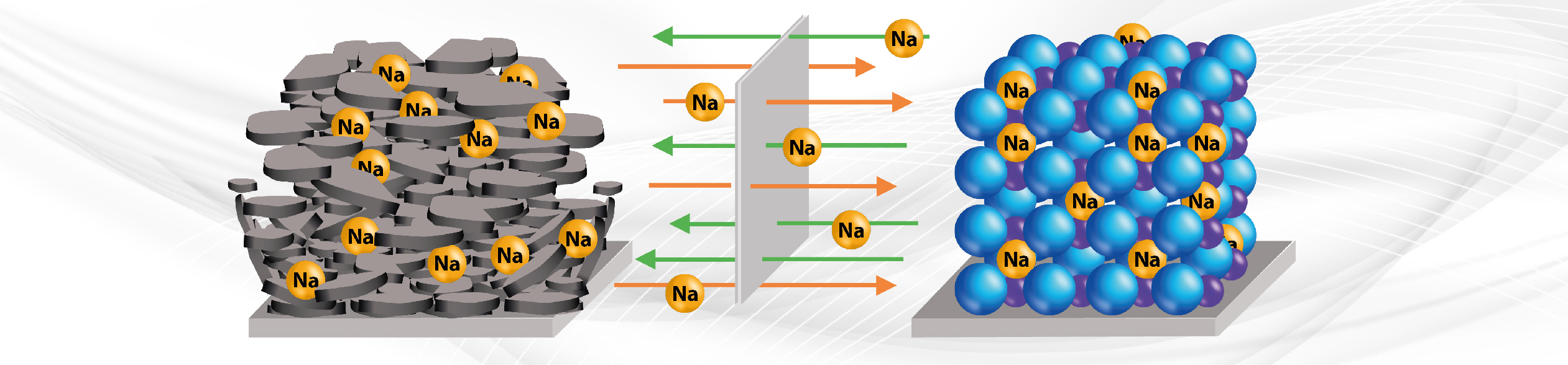
The first step in mastering how to charge a sodium-ion battery is understanding what makes it unique. Unlike conventional lithium-ion cells, sodium-ion batteries rely on sodium ions moving between electrodes during charge and discharge cycles. This electrochemical process is sensitive to voltage thresholds — exceeding them, in either direction, can trigger irreversible damage or even dangerous chemical reactions.
What makes sodium-ion chemistry particularly noteworthy is that it uses more abundant, lower-cost materials than lithium counterparts. However, this also means that charging behaviors and voltage limits differ, and you should never assume a lithium charger will work the same way on a sodium-ion cell.
⚡ Key principle: Sodium-ion batteries operate within a narrower voltage window than lithium-ion cells. Always verify the manufacturer's recommended charge voltage before connecting any charger.
How to Charge a Sodium-Ion Battery: Step-by-Step
Charging a sodium-ion battery correctly is not complicated, but it does require following the proper sequence. Skipping steps or using incorrect settings can silently shorten battery life over time.
Verify Your Charger
Confirm the charger is rated for sodium-ion batteries and matches the pack's specified voltage and current requirements.
Check Connections
Inspect all terminals for corrosion, damage, or loose fittings before connecting. A poor connection can cause voltage spikes.
Connect & Set Voltage
Attach the battery to the charger and set the output voltage to the level recommended by the manufacturer.
Monitor the Charge
Keep an eye on temperature and progress during the charging process. Excessive heat is a warning sign that something is wrong.
Stop at Full Charge
Once the battery reaches its full charge level, disconnect promptly. Leaving it on charge indefinitely can accelerate degradation.
Never charge a sodium-ion battery that shows signs of swelling, unusual heat, or physical damage. Doing so can pose a serious safety risk. Contact the manufacturer or a qualified technician first.
Recommended Voltage & Current Range
Getting the voltage right is one of the most important aspects of charging a sodium-ion battery safely. Unlike lithium-ion batteries which commonly operate at 3.6–3.7V nominal, sodium-ion cells typically have a slightly different voltage profile. Here's a general overview:
| Parameter | Recommended Range | Notes |
|---|---|---|
| Nominal Cell Voltage | ~3.1 – 3.3V | Varies by manufacturer chemistry |
| Max Charge Voltage | ~4.0 – 4.2V per cell | Never exceed the stated max |
| Minimum Discharge | ~1.5 – 2.0V per cell | Deep discharge causes permanent damage |
| Charge Current (CC) | 0.2C – 0.5C typical | Slower charging extends lifespan |
| Termination (CV phase) | <0.05C cutoff | Signals battery is fully charged |
Always refer to your specific battery's datasheet. These are general guidelines and precise values differ across product lines.

Suitable Chargers & Compatible Charging Technologies
Not every smart charger is suitable for sodium-ion chemistry. Using the wrong one can result in improper charge termination, overcharging, or complete failure to charge. Here's what to look for:
-
Sodium-ion compatible chargers — Purpose-built units that understand the specific CC/CV profile of sodium-ion cells are ideal. These ensure safe, accurate charging from start to finish.
-
Programmable lab-style chargers — For technically inclined users, programmable bench chargers allow you to manually set the voltage ceiling and current limits precisely matching your battery's spec.
-
BMS-integrated systems — Many sodium-ion battery packs include a Battery Management System (BMS) that handles overcharge protection, balancing, and temperature monitoring. A charger paired with a BMS-equipped battery adds a critical layer of safety.
-
Avoid generic lithium chargers — Even if the connectors physically match, a lithium-specific charger may apply voltage levels or termination logic that is incompatible with sodium-ion chemistry.
Charging Safely to Prevent Overheating & Degradation
Heat is one of the leading causes of sodium-ion battery degradation. Whether you are charging indoors, outdoors, or in an off-grid setup, the following tips will help protect your investment and ensure safe, consistent performance.
🌡️ Always charge at ambient temperatures between 10°C and 40°C (50°F – 104°F). Charging outside this range stresses the cells and reduces overall capacity over time.
-
Never leave a battery charging unattended for extended periods, especially in enclosed or high-temperature environments.
-
Allow the battery to cool to room temperature before charging if it has recently been in heavy use or exposed to direct sunlight.
-
A dramatic drop in capacity after charging may indicate an early sign of thermal damage. Investigate before the next charge cycle.
-
Avoid trickle-charging sodium-ion batteries for days on end. Once full, disconnect and store at around 50–80% charge for best longevity.
-
Check the physical condition of the battery periodically. Any swelling, leakage, or unusual odor requires immediate attention and discontinuation of use.

Power Your Setup with NoLi Sodium Technology
The Limitless Lithium NoLi Sodium 50Ah Battery delivers reliable, long-cycle performance for off-grid, solar, and recreational power systems.
NoLi Sodium 50Ah BatteryFactors That Affect Optimal Charging Performance
Even with the right charger and correct voltage settings, several external factors influence how effectively your sodium-ion battery charges. Understanding these will help you make smarter decisions about timing, placement, and maintenance.
Ambient Temperature
High heat slows charge acceptance and accelerates chemical aging. Cold temperatures increase internal resistance, reducing effective charge rate.
Battery State of Health
Older cells or those with past damage may show reduced capacity even when fully charged. Tracking capacity over time reveals degradation early.
Charge Rate (C-Rate)
Fast charging generates more heat and puts greater stress on cells. A slower 0.2C charge rate significantly extends cycle life versus charging at 1C.
Power Source Quality
Unstable or fluctuating input power — such as inconsistent solar — can cause irregular charging patterns. A stable regulated source is always preferred.
BMS Calibration
A properly calibrated Battery Management System ensures accurate cell balancing and prevents any single cell from being pushed beyond safe limits.
Storage Habits
Storing at full charge or deep discharge for long periods degrades cells faster. A partial charge of 50–80% is ideal for extended storage.
Conclusion
Charging a sodium-ion battery safely and efficiently does not have to be complicated — but it does require the right knowledge, the right equipment, and a little discipline. By following the steps outlined in this guide, understanding the correct voltage parameters, choosing compatible charging technology, and respecting the environmental conditions that affect performance, you will get the maximum life and performance from your sodium-ion battery. Whether you're powering an off-grid cabin, a solar storage system, or a recreational setup, these principles apply across the board.