

What Is a Sodium-Ion Battery?
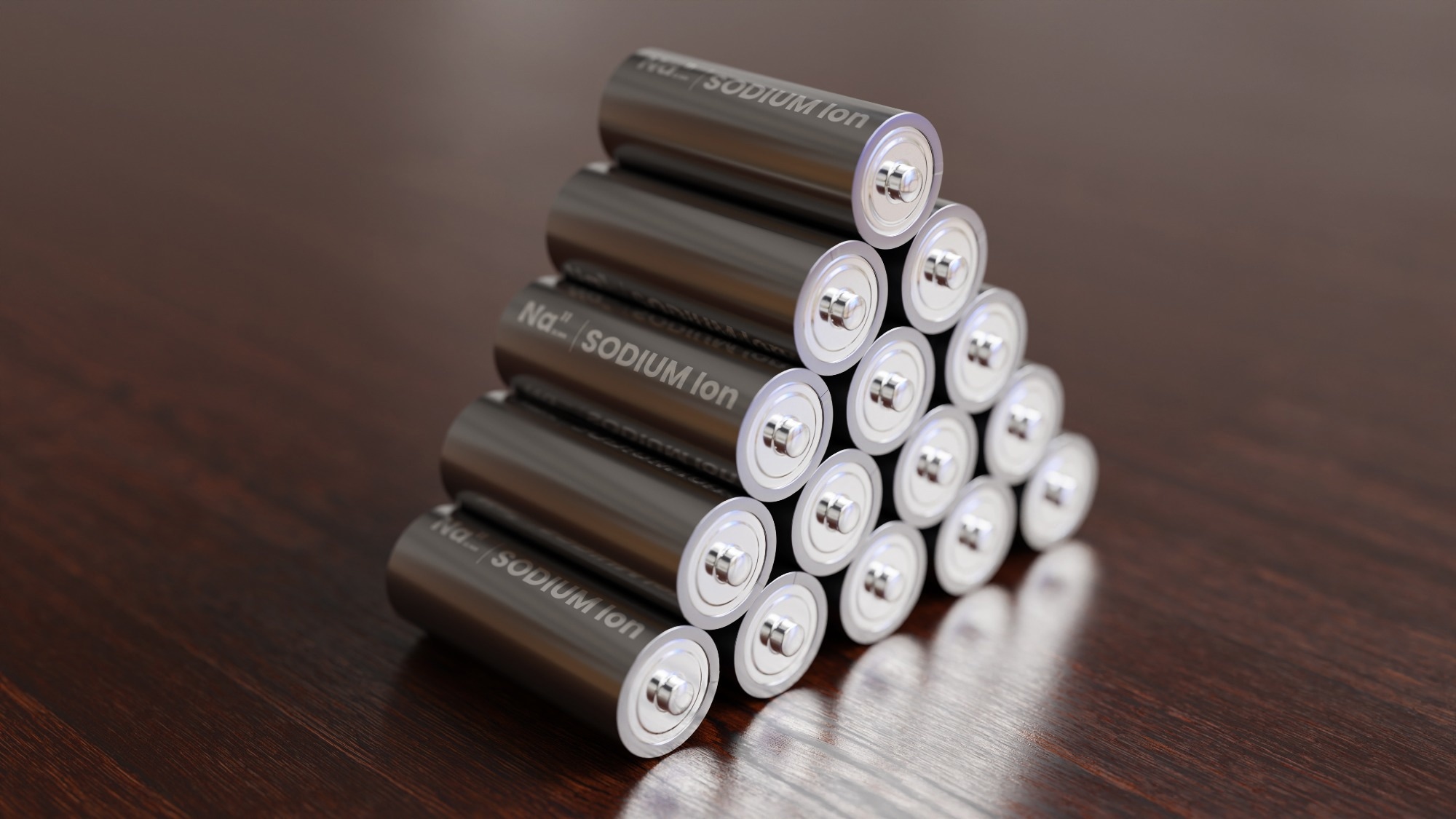
A sodium-ion battery (SIB) is a type of rechargeable battery that uses sodium ions as its primary charge carrier. Much like the more familiar lithium-ion cell, it stores and releases energy by moving ions between two electrodes — but instead of relying on lithium, it harnesses sodium, one of the most abundant elements on Earth. This fundamental difference has enormous implications for cost, availability, and sustainability in modern energy systems.
Sodium shares the same Group 1 position on the periodic table as lithium, giving it remarkably similar electrochemical properties. Where the two diverge most significantly is in abundance and price: sodium is vastly more common and far cheaper to source, making sodium-ion batteries an attractive candidate for large-scale, cost-sensitive energy applications.

How Does a Sodium-Ion Battery Work?
The core operating principle mirrors that of a lithium-ion battery. During the charging cycle, sodium ions are extracted from the cathode material and travel through an electrolyte to become intercalated — embedded — within the anode's crystalline structure. When the battery discharges, those same ions make the return journey, releasing the stored energy in the process.
What makes sodium-ion cells distinct is the electrode chemistry. Cathode materials are typically layered metal oxides or Prussian blue analogues, while the anode commonly uses hard carbon — a disordered form of carbon that provides plentiful sites for sodium ions to nestle into. The electrolyte is usually a sodium salt dissolved in an organic solvent, though solid-state and aqueous variants are actively being developed to push performance further.
Benefits of Sodium-Ion Batteries
Sodium-ion technology brings a compelling combination of practical and environmental advantages that position it strongly alongside — and in some cases ahead of — its lithium counterpart.
| Feature | Sodium-Ion | Lithium-Ion |
|---|---|---|
| Raw material cost | Very Low | High |
| Elemental abundance | Extremely High | Limited |
| Low-temp performance | Excellent | Poor |
| Safety profile | High | Moderate |
| Thermal stability | Superior | Moderate |
| Energy density | Moderate | High |
Abundant Resources
Sodium makes up roughly 2.6% of the Earth's crust and is readily extracted from seawater and salt deposits worldwide — eliminating the geopolitical supply-chain risks tied to lithium and cobalt mining.
Enhanced Safety
Sodium-ion cells are inherently more thermally stable. They can withstand overcharging, deep discharge, and mechanical stress with a lower risk of thermal runaway, making them a safer choice for residential and mobile applications.
Cold-Weather Resilience
Unlike lithium cells that degrade sharply in freezing temperatures, sodium-ion batteries maintain strong capacity and charge acceptance even in sub-zero conditions — ideal for off-grid and outdoor environments.
Fast-Charging Capability
The sodium-ion architecture supports rapid ion movement, enabling faster charge rates without the same electrode degradation concerns present in lithium-ion designs, extending overall cycle life.
Eco-Friendly Materials
Sodium-ion batteries avoid cobalt and nickel — minerals associated with environmentally destructive mining practices and ethical concerns — resulting in a significantly cleaner production footprint.
Lower Cost
With cheaper raw materials and simpler supply chains, sodium-ion packs are projected to come in meaningfully below lithium-ion alternatives, especially as production scales up globally.
Disadvantages of Sodium-Ion Batteries
No technology is without trade-offs, and sodium-ion batteries are no exception. Understanding the limitations helps you make the right choice for your specific energy needs.
The most frequently cited drawback is energy density. Sodium ions are larger and heavier than lithium ions, meaning that for the same weight or volume, a sodium-ion cell stores less energy. This gap — currently around 20–30% lower — matters most in applications where space and weight are at a premium, such as electric aircraft or performance EVs. For stationary storage, backup power, or heavy-duty vehicles where size is less constrained, this limitation fades considerably.
Cycle life, while improving rapidly, has historically trailed the best lithium-ion chemistries. Ongoing research into cathode and anode materials is closing this gap with each new generation of cells. Additionally, the broader manufacturing and supply ecosystem for sodium-ion is still maturing, meaning production volumes and quality consistency are not yet at the level of the established lithium market — though this trajectory is changing fast.
What Can Sodium-Ion Batteries Power?
The application range for sodium-ion batteries is broader than many people expect, and it continues to expand as the technology matures and costs fall.
Home Energy Storage
Perfect for pairing with solar panels and off-grid systems. Sodium-ion packs offer affordable, safe stationary storage for homeowners seeking energy independence.
Electric Vehicles & Fleet
Buses, delivery vans, and e-bikes benefit from sodium-ion's cost advantages and cold-climate performance, particularly for urban and short-to-medium range routes.
Grid-Scale Storage
Utilities and microgrid operators are actively piloting sodium-ion installations for peak-shaving, renewable integration, and frequency regulation.
Portable & Off-Grid Power
Camping systems, RV banks, and remote site power all stand to benefit from sodium-ion's ruggedness, safety, and resistance to temperature extremes.
The Future of Sodium-Ion Batteries
The trajectory for sodium-ion technology is one of genuine momentum. Major battery manufacturers in China, Europe, and North America have announced commercial sodium-ion production lines, signalling that this is no longer an academic curiosity but a serious commercial contender.
Advances in hard carbon anode design, Prussian blue analogue cathodes, and solid-state electrolytes are steadily pushing energy density closer to lithium-iron phosphate (LFP) levels, while maintaining the cost and safety advantages that make sodium-ion compelling. Analysts expect sodium-ion to capture a significant share of the stationary storage and entry-level EV markets within this decade.
For consumers, this progress means more affordable, more resilient energy storage options are becoming available right now — not in some distant future.

Sodium-Ion vs. Lithium-Ion Battery
Both technologies have important roles to play in the energy storage landscape. Here's how they compare across the dimensions that matter most to real-world users.
- Lower material and production cost
- Globally abundant raw materials
- Superior cold-weather performance
- Better thermal safety profile
- No cobalt or nickel required
- Easier to deep discharge safely
- Higher energy density per kg
- Mature manufacturing ecosystem
- Wider product availability
- Longer proven cycle life
- Ideal for weight-critical applications
- More established recycling pathways
Sodium-Ion vs. Lead-Acid Battery
For those upgrading from traditional lead-acid systems — in solar banks, backup power, or off-grid setups — the comparison with sodium-ion is compelling and largely one-sided.
Lead-acid batteries are heavy, bulky, and require regular maintenance. Their usable capacity is limited to around 50% depth of discharge before damage sets in, and their efficiency drops sharply in cold weather. Sodium-ion batteries, by contrast, are lighter, maintenance-free, and can be discharged to a much greater depth without harm, effectively delivering more usable energy from a smaller, cleaner package.
From an environmental standpoint, lead-acid chemistry involves toxic lead and sulfuric acid — significant hazards in both production and disposal. Sodium-ion batteries sidestep these concerns entirely, making the upgrade both a practical and responsible choice.
Who Makes Sodium-Ion Batteries?
The sodium-ion industry has moved from early-stage research into active commercial production, with a growing roster of established companies bringing cells to market. Key players currently leading the space include:
Consumer-facing products built on sodium-ion cells — including the battery featured below — are already available today, giving early adopters access to this technology ahead of the mainstream curve.
Ready to Experience Sodium-Ion?
The Limitless Lithium NoLi 50Ah Sodium Battery brings next-generation energy storage to your home, off-grid system, or outdoor setup — today.
NoLi Sodium 50Ah BatteryFrequently Asked Questions
Conclusion
Sodium-ion batteries represent one of the most significant shifts in energy storage in a generation. By combining earth-abundant raw materials, a strong safety profile, excellent cold-weather performance, and a rapidly falling cost curve, they are positioned to democratize access to high-quality energy storage across homes, businesses, and mobile applications. Whether you are building an off-grid retreat, upgrading your solar bank, or simply looking for a safer, more sustainable power solution — sodium-ion technology deserves a serious look. The future of energy storage is abundant, affordable, and already available.