

Is It Time To Give Superzoom Cameras Another Look?
A remarkable piece of footage recently surfaced online showing the moon's craters and the earth's rotation in stunning detail. The surprising part? It was all captured using nothing more than a Nikon P900 superzoom compact camera — no expensive telescope or professional rig in sight.
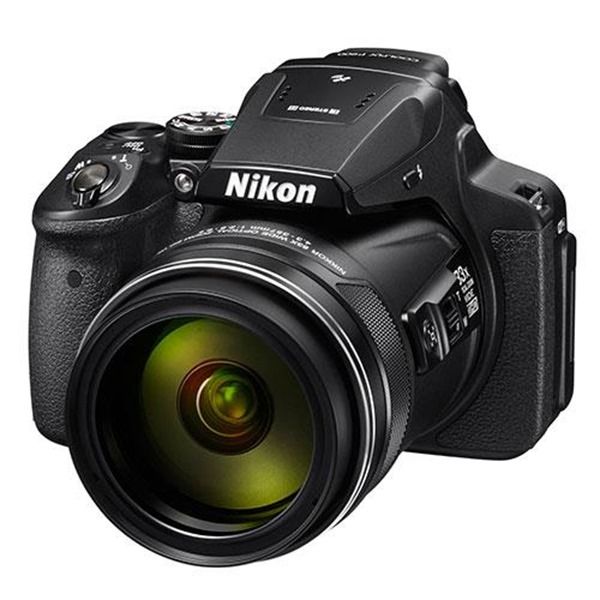
With an extraordinary 83x optical zoom lens packed into a single body, and a price tag that sits comfortably under £500, the P900 delivered footage that left many viewers speechless. It raises a fair question: should we be paying more attention to superzoom cameras?
What Exactly Is a Superzoom Compact Camera?
The name really says it all. Superzoom cameras come equipped with a powerful built-in lens that covers an enormous focal range — from wide-angle compositions all the way through to deep telephoto reach. The Nikon P900 sits at the extreme end of the spectrum, but most modern superzooms comfortably extend to 40x magnification and beyond.
You may also hear them referred to as "bridge" cameras, a term rooted in the idea that they fill the space between a basic compact and a full-blown SLR. While compact system cameras have partially occupied that territory in recent years, superzoom compacts remain popular thanks to their unmatched versatility. You grab one camera, walk out the door, and you're ready for practically any shooting scenario — no extra lenses, no extra expense.
That's the appeal in a nutshell.
The Trade-Offs You Should Know About
There's a reason most professional photographers don't rely on superzoom compacts as their primary gear. An all-in-one lens inevitably involves some compromises. While the optics in modern superzooms have improved significantly — delivering impressive quality and versatility — they still can't match the sharpness and clarity of dedicated SLR lenses.
Budget-friendly superzooms often lack a consistent wide aperture across the zoom range, which means low-light performance suffers. As you push the zoom to its limits, the maximum aperture narrows — sometimes dropping from f/2.8 down to f/4 or more. Lens distortion can also become more apparent on less expensive models, and without built-in image stabilization (or a steady tripod), camera shake at full zoom is a real concern.
Another limitation worth noting: many affordable superzooms don't support raw file capture, which can be a deal-breaker for enthusiast photographers who prefer to fine-tune their images in post-processing.
Five Standout Superzoom Cameras Worth Considering
Despite the trade-offs, superzoom compacts are wonderfully convenient — ideal for family outings, travel, and everyday shooting when carrying a full SLR kit is simply overkill. Here are five models that stand out.
Nikon P900
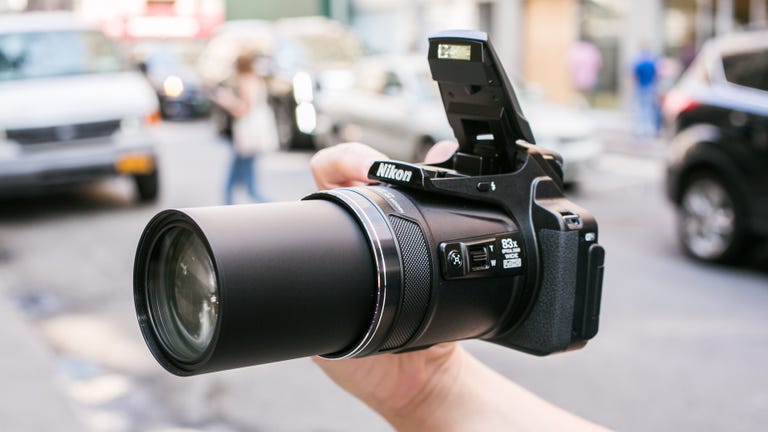
The Nikon P900 has already proved its extraordinary telephoto reach, but at around £500, it does represent a significant investment for what is essentially a compact camera. The massive 83x zoom lens also adds noticeable size and weight compared to competitors, though some users actually appreciate the solid, grippable feel this provides — especially when shooting at full magnification.
Beyond its headline-grabbing lens, the P900 delivers strong all-round performance with a capable 16-megapixel sensor, built-in Wi-Fi connectivity, a respectable 7 frames-per-second burst rate, and a three-inch articulating LCD display. HD video recording rounds out the feature set. If your budget allows, this is a compelling choice that punches well above its weight class.
Sony Cyber-shot HX300
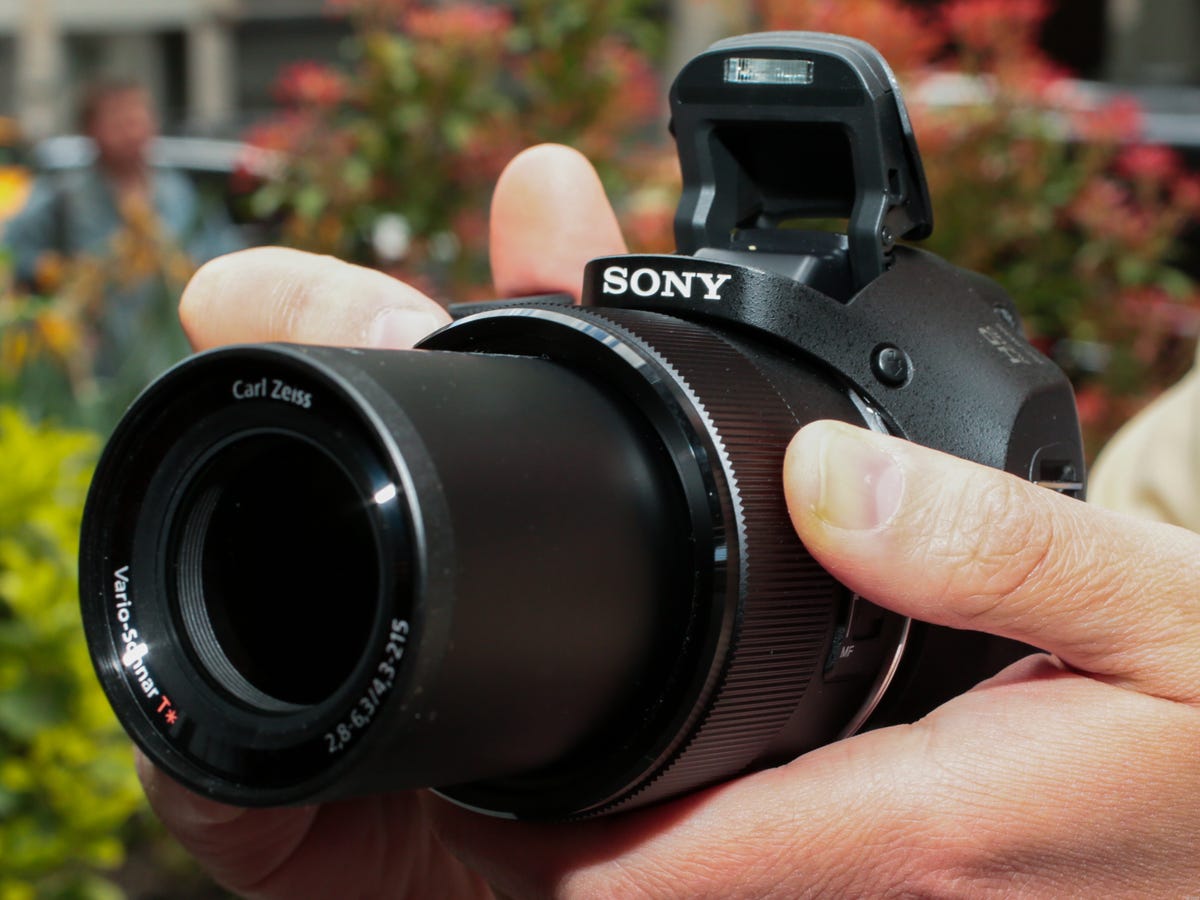
If capturing lunar close-ups isn't high on your priority list and you'd prefer to keep some money in your pocket, the Sony Cyber-shot HX300 makes a solid alternative. It still offers impressive 50x optical zoom, paired with a quality 20-megapixel sensor that captures plenty of detail.
The camera includes SLR-style manual controls, which is a nice touch for photographers who like to tweak their settings. The one notable drawback is that it only shoots in JPEG format — no raw support here — so it's probably best suited as a reliable secondary camera rather than your everyday shooter. For family holidays and casual outings, though, it's a great companion to have in your bag.
Panasonic Lumix DMC-FZ72
Priced at a very accessible £200, the Panasonic Lumix DMC-FZ72 is a budget-friendly superzoom that still delivers impressive specifications. The lens reaches out to an excellent 60x magnification, and one of its best features is a maximum f/2.8 aperture that holds across much of the zoom range — giving you a meaningful advantage in terms of light gathering and background blur.
The aperture does narrow to f/5.9 at the telephoto end, which is the nature of the category — you generally get what you pay for with superzooms. On the plus side, telephoto lenses naturally compress backgrounds, so achieving attractive portrait blur at full zoom is quite achievable. Raw shooting support means this camera can grow with your skills, though the low-resolution electronic viewfinder is starting to show its age.
Canon SX60 HS PowerShot
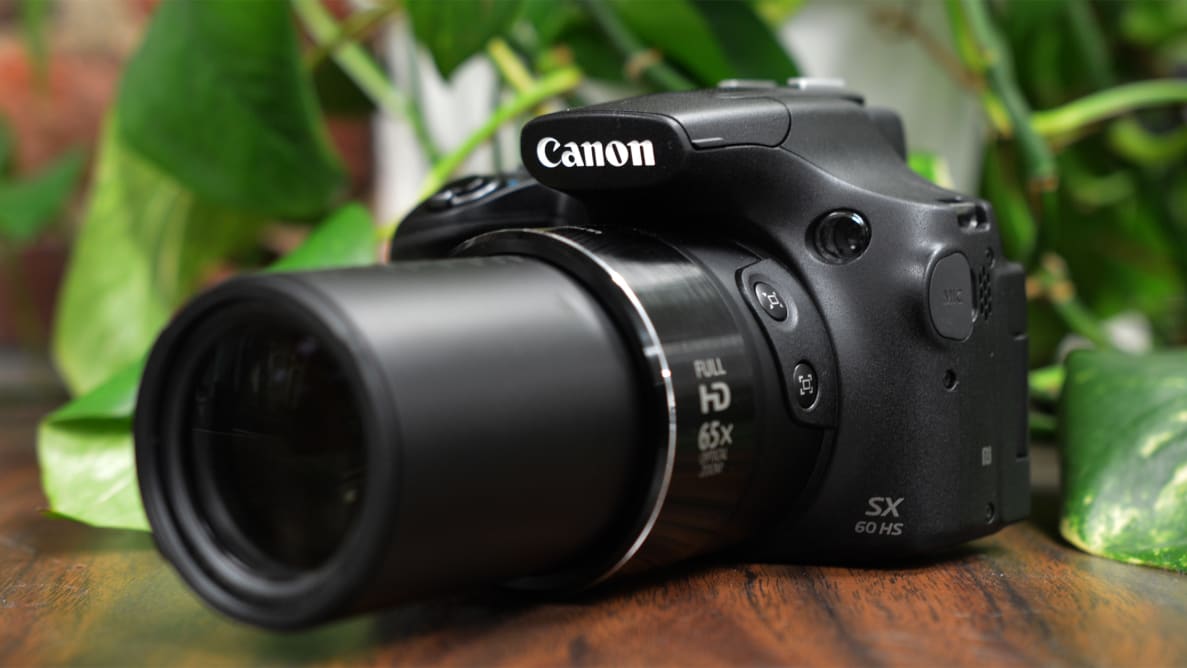
At around £300, the Canon SX60 HS strikes a smart balance between the more basic superzooms and the premium Nikon P900. The 16.1-megapixel sensor won't win any pixel-count wars, but you do get a very respectable 65x optical zoom range that covers an enormous range of shooting situations.
Where the Canon pulls ahead is in its refinements: the electronic viewfinder is noticeably sharper than the Panasonic's offering, Wi-Fi is built right in, and raw file capture is supported. An articulated rear screen adds further flexibility, making it easier to compose shots from tricky or unconventional angles. For the price, this is a well-rounded package.
Fujifilm FinePix HS50
Also coming in at just under £300, the Fujifilm FinePix HS50 offers a 42x zoom lens housed in a body that genuinely feels like an SLR in your hands. The ergonomic design is excellent, highlighted by a satisfying old-school zoom ring on the lens barrel that gives you a tactile, professional shooting experience.
The electronic viewfinder is among the best in this class, and the articulated rear screen adds welcome compositional flexibility. Autofocus speed and ISO performance both impress for a camera at this price point. The only real omission is built-in Wi-Fi — but if wireless connectivity isn't a priority for you, this is a rock-solid budget option that punches above its weight.
Featured Product
Looking for a Premium Compact Camera?
Explore the Leica D-Lux 8 — a century of optical excellence distilled into one stunning compact body.
Leica D-Lux 8 100 Years