

Selecting between compact, DSLR, or mirrorless cameras for photography — whether editorial, advertising, or stock — depends on sensor size, optics, portability, and compositional control. Mirrorless models are increasingly in demand for capturing high-resolution scenes such as portraits, landscapes, silhouettes, or backlit content, while also offering superior adaptability for stock libraries and creative projects.
• Capture urban, nature, or studio stock photography using mirrorless cameras for dynamic lighting scenarios (golden hour, low light, backlit).
• Capture versatile image attributes (subject, mood, usage scenario) by selecting full-frame or APS-C sensors for superior tonal range and detail.
• Frame scenes for editorial use with interchangeable lens systems (wide-angle, telephoto, macro) to support various campaign or licensing demands.
• Retouch and color-correct images using RAW files for optimized stock submission, ensuring images meet platform quality standards.
• Deploy advanced techniques (fast autofocus, image stabilization, real-time previews) to capture fleeting expressions or environmental textures for advertising portfolios.
A wide variety of camera choices can feel overwhelming, especially for those just beginning to explore the photography world. You can choose between compact cameras, DSLRs, or mirrorless options. Some are affordable, others are quite expensive, and they range from compact to large. Here are a few ideas and tips to help you choose the best option.
Compact Cameras
Compact cameras were extremely popular a decade ago, but they have steadily lost their share of the market due to the rapid advancement of mobile phone cameras. Most compact cameras feature very small sensors and limited optics, and if they do offer decent quality, the price tends to climb. Many mid-range and high-end smartphones now rival or even exceed the image quality of entry-level compact cameras, making the mobile phone a convenient substitute that is always in your pocket.

In our opinion, standard compact cameras no longer make much practical sense, except for certain specific models with very large zooms, or some premium compact cameras featuring bigger sensors and high-end optics that can still fit in your pocket.
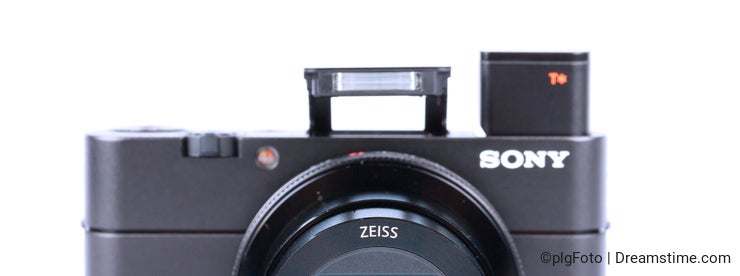
Pros for compact cameras:
price, size, ease of use
Cons for compact cameras:
image quality, optics quality, bigger than mobile phones
DSLR Cameras
DSLR cameras come in a range of tiers — entry-level, mid-range, and high-end models designed for professionals. There are also different sensor sizes among them, mostly APS-C or full-frame. You can choose between quite affordable models made for hobbyists and very expensive DSLR cameras built for professional work. There are also mid-range models that can satisfy serious professional needs without costing a fortune.
The main characteristic of DSLR cameras is that you can change lenses and that they offer high image quality due to their big sensors. If you go for the highest image quality, full-frame sensor cameras are the obvious choice, but they tend to be larger. Usually, for most hobbyists, APS-C sensor cameras are perfectly suitable — the lenses are more affordable and the bodies are more compact.
In our opinion, only professionals with specific needs can truly benefit today from DSLR models because another range of cameras called mirrorless is gaining more and more market share. They offer the newest technologies, excellent image quality, and they are not as bulky — making them a great fit for most hobbyists and professionals alike.

Pros for DSLR:
image quality, lens variety, established ecosystem, ease of use
Cons for DSLR:
bigger size
Mirrorless Cameras
You can also choose between APS-C and full-frame sensor mirrorless cameras, but some manufacturers like Olympus offer micro 4/3 sensors that are smaller in size, though on the other hand micro 4/3 cameras are very compact. Mirrorless cameras also have interchangeable lenses but lack the mirror that reflects the light from the lens to the optical viewfinder in a traditional DSLR — the mirror that enables the user to see the image directly as light passes through the lens.
Instead, mirrorless cameras reproduce the digitally generated image on the electronic viewfinder or the camera display, so the live image you see is not analog but digital. The lack of a mirror enables them to be more compact, which is one of the biggest benefits of mirrorless cameras. Also, seeing the digital live image allows the photographer to directly see on the screen or in the viewfinder the changes of the exposure settings, which is very handy.
The latest models are packed with features, have improved autofocus technology which nowadays almost equals the autofocus speed on DSLR cameras. There is also a wide range of lenses that complement the high-resolution sensors of these cameras.

Pros for mirrorless:
high image quality, smaller than DSLR, high-quality optics, usually better video recording
Cons for mirrorless:
autofocus still somewhat slower than on DSLR, pricey lenses, ergonomics
There are also medium format cameras with even larger sensor sizes than full-frame camera sensors. They are very expensive and intended for professionals who need the highest image quality possible.

Final Thoughts
These are some basic differences between different types of cameras you can buy today. In our experience, if photography is your hobby, either choose pro compact cameras such as Sony RX series or go for APS-C mirrorless. For video recording, mirrorless is usually a better option (also depending on a model or a brand). For professional photographers, full-frame DSLR or full-frame mirrorless are usually the cameras of their choice. That also means that a high-end APS-C camera cannot satisfy a demanding photographer. It is all about what your photography work is about.
Prior to buying, investigate the specifications and details of a camera you are interested in, and check if it fits your photography profile.