

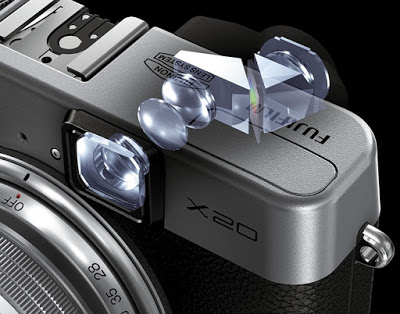
An off-center optical viewfinder — the hallmark of rangefinder camera design
Every photographer faces this question at some point: what camera should come next? For those of us who have grown fond of rangefinder film cameras — the beloved Leica M4-P, the M6, or digital alternatives with off-center viewfinders like certain Fujifilm X-series models — the pull toward that elegant, compact form factor is undeniable. Yet, when the action picks up and fast-paced shooting demands take over, the practical advantages of SLR-type bodies and their modern DSLR descendants become equally hard to ignore.
The eternal dilemma remains: rangefinder elegance or DSLR utility? Ultimately, it comes down to the type of photography you pursue and which equipment aligns with your creative instincts. This is, at its core, a deeply personal choice — one shaped as much by emotion and aesthetic preference as by technical specifications. Do not underestimate the power of that subjective connection to your gear.
From a purely technical standpoint, both categories of digital cameras can deliver nearly identical results in exposure accuracy, image quality and resolution, autofocus responsiveness, feature sets, interface design, and even electronic viewfinder specifications. The decision, then, is not really about technical limitations. Instead, there are certain design characteristics inherent to each viewfinder placement that define the true strengths of each category.

The Enduring Romance of the Rangefinder
Let us begin with the origins. The rangefinder represents one of the earliest and most classical approaches to camera design. It was introduced to photography as a solution for the critical task of focusing the taking lens. Over time, the rangefinder mechanism became fully coupled with the lens, streamlining the photographer's workflow and speeding up the process considerably. The off-center viewfinder was a natural engineering response — it had to accommodate two separate optical elements: one for measuring distance telemetrically and one for composing the frame. In the digital age, these technical requirements are no longer necessary as part of the focusing system.
Yet the legacy of those early engineering constraints shaped the architecture of rangefinder cameras for decades. Many photographers came to appreciate the compact and streamlined form factor that resulted, particularly with 35mm film models. That said, traditional rangefinder cameras had their fair share of shortcomings. The framing visible through the viewfinder was always an approximation and would shift depending on the distance to your subject — a phenomenon especially pronounced at close range, known as parallax error. Swapping between different focal length lenses was significantly limited by what the optical viewfinder could frame. There was no way to visually confirm the depth of field created by your selected aperture. The shutter curtain design used in interchangeable-lens rangefinders imposed a very low flash synchronization speed ceiling. And there were undoubtedly other frustrations that have since faded from memory.
The good news is that nearly every problematic limitation of the film-era rangefinder has been addressed by modern digital technology — accurately and elegantly. Today, shooting with a rangefinder-style digital camera is simply a pleasure. One notable advantage is that the design feels less imposing to your subject. People frequently associate the chunky DSLR silhouette with aggressive photojournalism, while a rangefinder's understated profile puts them at ease. The old framing headaches caused by different focal lengths? Completely solved by today's high-resolution electronic viewfinders (EVFs), which give you an exact preview of the final image. Flash sync speeds now match those of DSLR bodies. Depth of field can be evaluated in real time right through the viewfinder.
In practical terms, there is no compelling technical reason to avoid a rangefinder-style digital camera today. Many working professionals have embraced models like the Fujifilm X-Pro2 and similar bodies as their primary tools. The same applies to countless hobbyists and enthusiasts who simply love and connect with the rangefinder aesthetic and shooting experience.
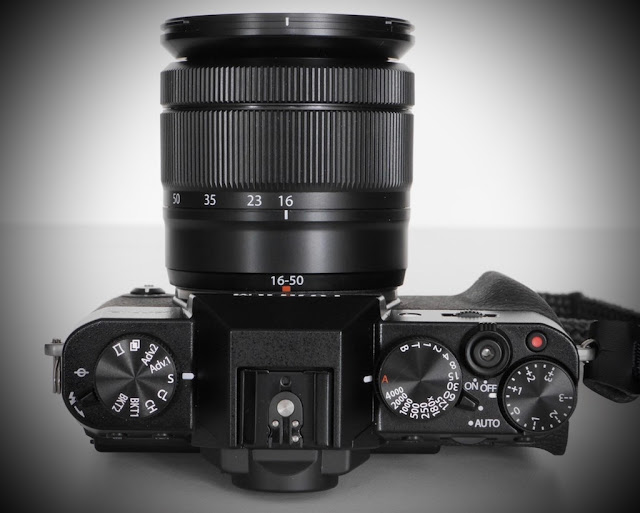
The Reign of the DSLR
So why would anyone choose a DSLR-style body now that electronic viewfinders have become so capable? To understand, it helps to remember the film SLR era and the arrival of legendary reflex cameras like the Nikon F. At the time, the single-lens reflex design was nothing short of revolutionary. It addressed many of the rangefinder's most painful shortcomings and dramatically improved the working lives of photographers — especially those covering fast-paced events. Precise through-the-lens framing, unrestricted lens interchangeability, visual depth of field confirmation, higher flash sync speeds, a centered viewfinder architecture that made tracking moving subjects intuitive, excellent ergonomics with optional motorized film advance — the list of advantages was substantial. In that era, rangefinder cameras simply could not compete with their SLR counterparts.
The "Reflex" designation itself tells the story — it refers to the mirror that reflects the image upward through a pentaprism, correcting the reversal that would otherwise appear in the viewfinder. These reflex film cameras dominated the market for over four decades. Professional news and sports photography became synonymous with the SLR look, and these cameras were found everywhere, from the hands of complete beginners to the kits of seasoned professionals. Manufacturers continually refined the core concept over the years, each generation bringing meaningful improvements and widespread success.
Even as we have moved firmly into the digital camera era and electronic viewfinder quality has improved dramatically, the DSLR design philosophy retains a strong following within the photographic community. The reason is straightforward: a centered viewfinder remains the most natural and effective solution for tracking a moving subject, particularly when paired with a long telephoto lens. For action photography, it is simply more comfortable and more instinctive. Keeping the viewfinder aligned on the same optical axis as the taking lens is unmatched for panning with accuracy and stability, whether you are shooting handheld or from a tripod or monopod. There is no "parallax phenomenon" — no offset between the lens axis and your line of sight — unlike what can be experienced with the off-center viewfinder placement of rangefinder-style bodies.
Ready to Experience Rangefinder Excellence?
Explore the iconic Leica M9 — a timeless rangefinder digital camera beloved by professionals and enthusiasts around the world.
Leica M9 Black