

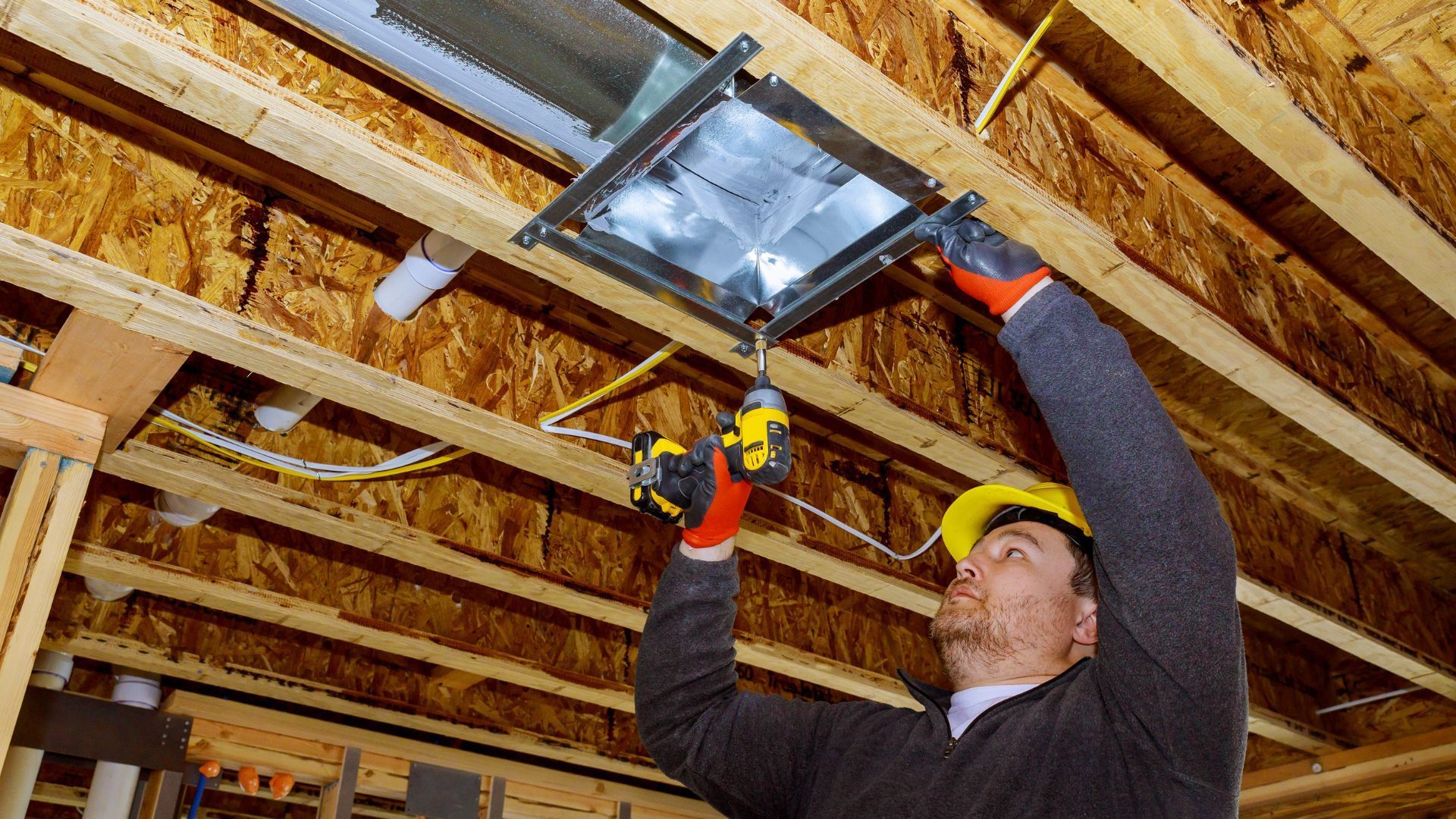
Basement ventilation systems are purpose-built solutions designed to keep underground spaces fresh, dry, and healthy. Without proper airflow, basements become prime environments for excess moisture — and where moisture lingers, mold, unpleasant odors, and structural damage are rarely far behind. A quality ventilation system continuously delivers clean outdoor air, stopping dampness before it takes hold.
Think of a basement ventilation system as a silent guardian working around the clock. Underground spaces are uniquely prone to humidity buildup and stagnant air, conditions that compromise both air quality and the integrity of your home's foundation. By maintaining a constant cycle of fresh air, a proper system eliminates the root cause of basement problems rather than simply masking the symptoms.
A basement ventilation system doesn't just improve comfort — it actively protects your home's structure, your family's health, and the long-term value of your investment.
The Key Components
To fully understand what a basement ventilation system does, it helps to know the parts that make it work. Each component plays a specific and essential role in maintaining balanced, healthy airflow.
Inlet Vent
The entry point for fresh outdoor air. Strategically positioned to draw in the cleanest available air and begin the circulation process.
Exhaust Vent
Placed at the opposite end of the basement, the exhaust vent expels stale, moisture-laden air, completing the ventilation cycle.
Ductwork
The channels that connect inlet to exhaust, guiding air efficiently through the space and ensuring balanced, consistent airflow.
Fan or Blower
The engine of the system. The fan propels air through the ductwork continuously, keeping the entire ventilation cycle running smoothly.
Installing a Basement Ventilation System
Installation follows a clear, step-by-step process. While professional guidance is always recommended for optimal results, understanding each phase helps homeowners make informed decisions.

Assessment
Evaluate your basement's size, layout, and moisture conditions. Identify the best positions for both the inlet and exhaust vents to maximize airflow coverage.
Cut Openings
Create appropriately sized openings for the vents. Proper sizing is critical — too small and the system loses efficiency; too large and structural integrity can be affected.
Ductwork Installation
Run and position the ductwork to connect both vents. Seal every joint and gap carefully to prevent air leakage and ensure maximum system efficiency.
Fan Placement
Mount the fan in a central, accessible location. Easy access is key for routine maintenance and any future servicing requirements.
Wiring & Controls
Connect the fan to a dedicated power source and install operational controls. A well-wired system allows for simple, reliable day-to-day management.
Testing
Run the system through its full cycle, verify that airflow is balanced and consistent across the basement, and make any fine adjustments as needed.
Frequently Asked Questions
How does a basement ventilation system improve air quality?
By continuously replacing stale, humid air with fresh outdoor air, the system reduces humidity levels and prevents the accumulation of pollutants, allergens, and airborne contaminants that thrive in stagnant conditions.
Can I install a basement ventilation system myself?
DIY installation is possible for handy homeowners, but consulting a professional ensures precise vent placement, proper duct sealing, and optimal system performance from day one.
Are basement ventilation systems energy-efficient?
Yes. Modern ventilation systems are engineered to operate with minimal energy consumption, maximizing air circulation output while keeping running costs low.
What maintenance does a ventilation system require?
Routine inspections to clear debris and obstructions, combined with periodic filter replacements, are all that's needed to keep the system performing at its best.
Can a ventilation system eliminate mold entirely?
While a ventilation system dramatically reduces the conditions that allow mold to grow, pairing it with broader moisture control measures — such as proper drainage and sealing — provides the most complete protection.
Is a ventilation system suitable for all basement types?
Absolutely. Whether your basement is a finished living space, a utility area, or an unfinished storage space, a ventilation system can be configured to suit the specific layout and needs.
Conclusion
Investing in a basement ventilation system is one of the most effective steps you can take to protect both your home and the people in it. Beyond eliminating musty smells and damp conditions, a properly ventilated basement safeguards your home's structural integrity and contributes to healthier indoor air quality throughout the entire property.
Say goodbye to moisture problems and hello to a cleaner, fresher, more resilient home. The right ventilation solution is available — and the difference it makes is immediate.