


What Causes Dampness in Basements?
Basement moisture rarely has a single source. Understanding the root causes is the first step toward choosing the right fix. Here are the four most common culprits:
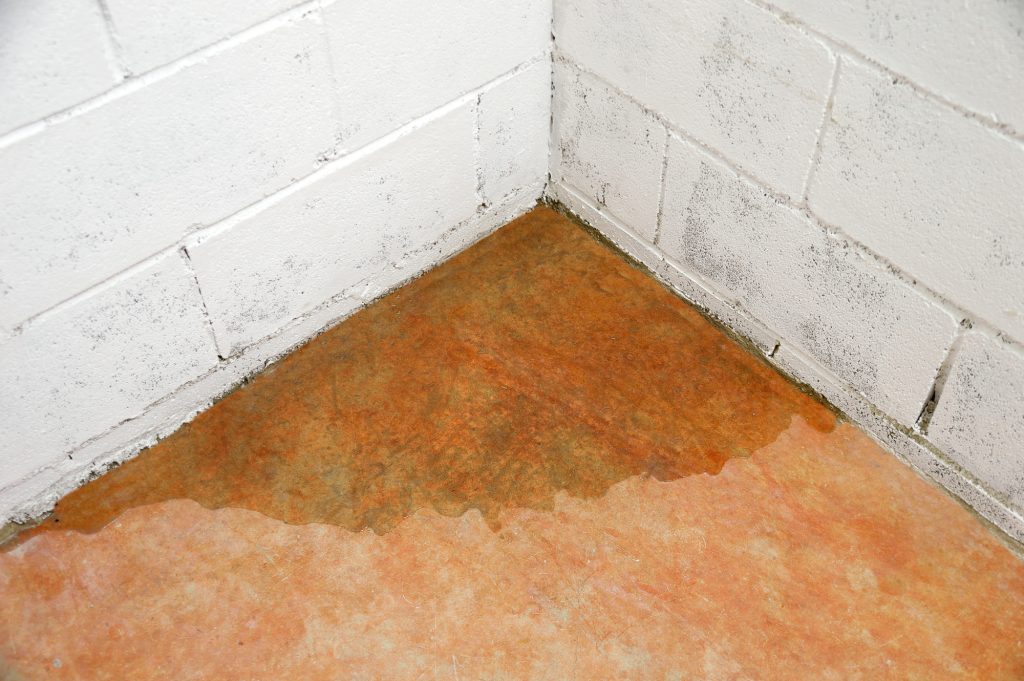
Soil surrounding your foundation absorbs and holds water. Over time, this creates hydrostatic pressure that forces moisture through even the smallest cracks in basement walls and floors.
When warm, humid air meets the cool surfaces typical of a below-grade basement, condensation forms. This is especially prevalent when the temperature differential between indoors and the surrounding earth is significant.
Clogged gutters, negative grading, and misdirected downspouts all allow water to pool near the foundation. Without proper site drainage, water finds its way inward rather than away from the structure.
Internal moisture sources — leaking pipes, aging water heaters, or a failing sump pump — add humidity directly to the basement environment, compounding the moisture problem from within.
Each of these sources contributes to a cumulative moisture problem that, left unaddressed, accelerates mold growth, wood rot, and deterioration of insulation. Identifying which cause — or combination of causes — is at play in your basement determines the most effective course of action.
In many cases, homeowners are dealing with more than one factor simultaneously. A basement that experiences both groundwater pressure and poor exterior drainage, for example, will require both waterproofing measures and improved site grading to see lasting results.
Ventilation & Drying Solutions
Common Ventilation Methods
Tackling basement dampness requires a layered approach — combining airflow improvements with active moisture control for lasting results.
Natural Ventilation
Improving natural airflow is a practical first step that costs little and delivers real results when executed correctly:
- Install operable windows or foundation vents to enable cross-ventilation
- Open basement windows on low-humidity days to flush stale, moist air out
- Use window well covers on below-grade windows to protect while allowing light and airflow
Dehumidifiers
A correctly sized dehumidifier is one of the most reliable tools for managing basement moisture levels:
- Match unit capacity to your basement's square footage for effective results
- Target a relative humidity range of 30–50% for a healthy indoor environment
- Empty and clean the reservoir regularly to maintain peak performance and hygiene
Installing Mechanical Ventilation Systems
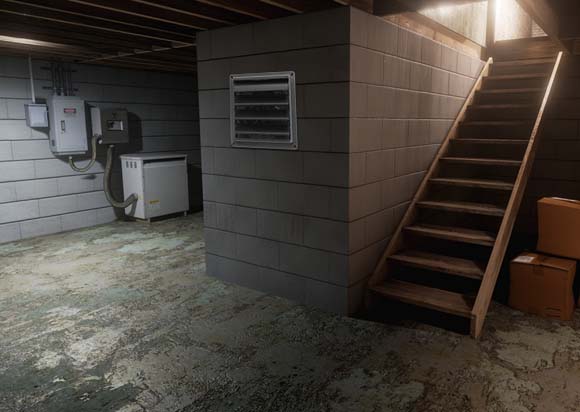
When natural ventilation falls short, mechanical systems provide the consistency and control needed for effective basement moisture management.
Exhaust Fans
Exhaust fans actively pull humid air out of the basement space, venting it directly outdoors:
- Installation: Mountable in windows, walls, or ceilings to suit any layout
- Placement: Position near moisture-generating sources such as laundry areas or water heaters
- Venting: Always exhaust directly outdoors — never into attic or wall cavities
- Automation: Pair with humidity sensors or timers for hands-free operation
- Energy Efficiency: Far more economical than running a dehumidifier continuously in moderately damp conditions
Inline Duct Fans
Inline duct fans are installed within ductwork, moving large volumes of air efficiently and quietly. Their in-duct placement makes them ideal for finished basements. They integrate with existing HVAC systems for whole-home air quality improvements and feature variable speed controls for energy-conscious operation. High airflow capacity means they handle large spaces where surface-mounted fans struggle.
Heat Recovery Ventilators (HRVs)
HRVs represent the most balanced mechanical ventilation solution available for basement environments. By exchanging stale indoor air with fresh outdoor air while simultaneously recovering heat from the outgoing stream, they deliver excellent air quality without the energy penalty of simply exhausting conditioned air.

Heat Exchange Principle
An HRV uses a heat exchanger core to transfer thermal energy between the outgoing stale air and incoming fresh air streams. In winter, the warm indoor air pre-heats the cold incoming air. In summer, the reverse process keeps cooled air from being wasted.
This balanced exchange means fresh air enters continuously without the energy losses typical of exhaust-only fans, making HRVs highly suitable for both finished and unfinished basements in any climate.
Why Homeowners Choose HRVs
- Provides continuous fresh air exchange, dramatically reducing stale odors and airborne contaminants
- Maintains consistent relative humidity within healthy ranges without manual intervention
- Ideal for tightly sealed, energy-efficient homes where natural ventilation is limited
- Reduces reliance on standalone dehumidifiers, cutting energy costs over the long term
- Can be connected to existing ductwork for whole-home coverage
The Right Solution for Your Basement
Choosing the ideal combination of ventilation and dehumidification comes down to three factors: the size of your basement, the severity of your current moisture levels, and your budget. For moderately damp basements, a quality exhaust fan paired with a dehumidifier often delivers excellent results. For finished basements or those with persistent moisture issues, an inline duct fan or HRV system provides the most comprehensive protection.
By layering these strategies — addressing both the source of moisture and the air quality — homeowners can transform a damp, unhealthy basement into a dry, comfortable, and usable space that adds genuine value to the home.
- Assess moisture sources before selecting a solution
- Combine ventilation and dehumidification for the best results
- Consider finished vs. unfinished basements when choosing equipment
- Invest in automation (humidity sensors, timers) for consistent performance
The Humidex Basement Ventilation Unit is engineered specifically for below-grade environments — drawing out stale, humid air and replacing it with fresh, dry air without the noise or energy costs of traditional approaches.
Humidex Basement Unit