

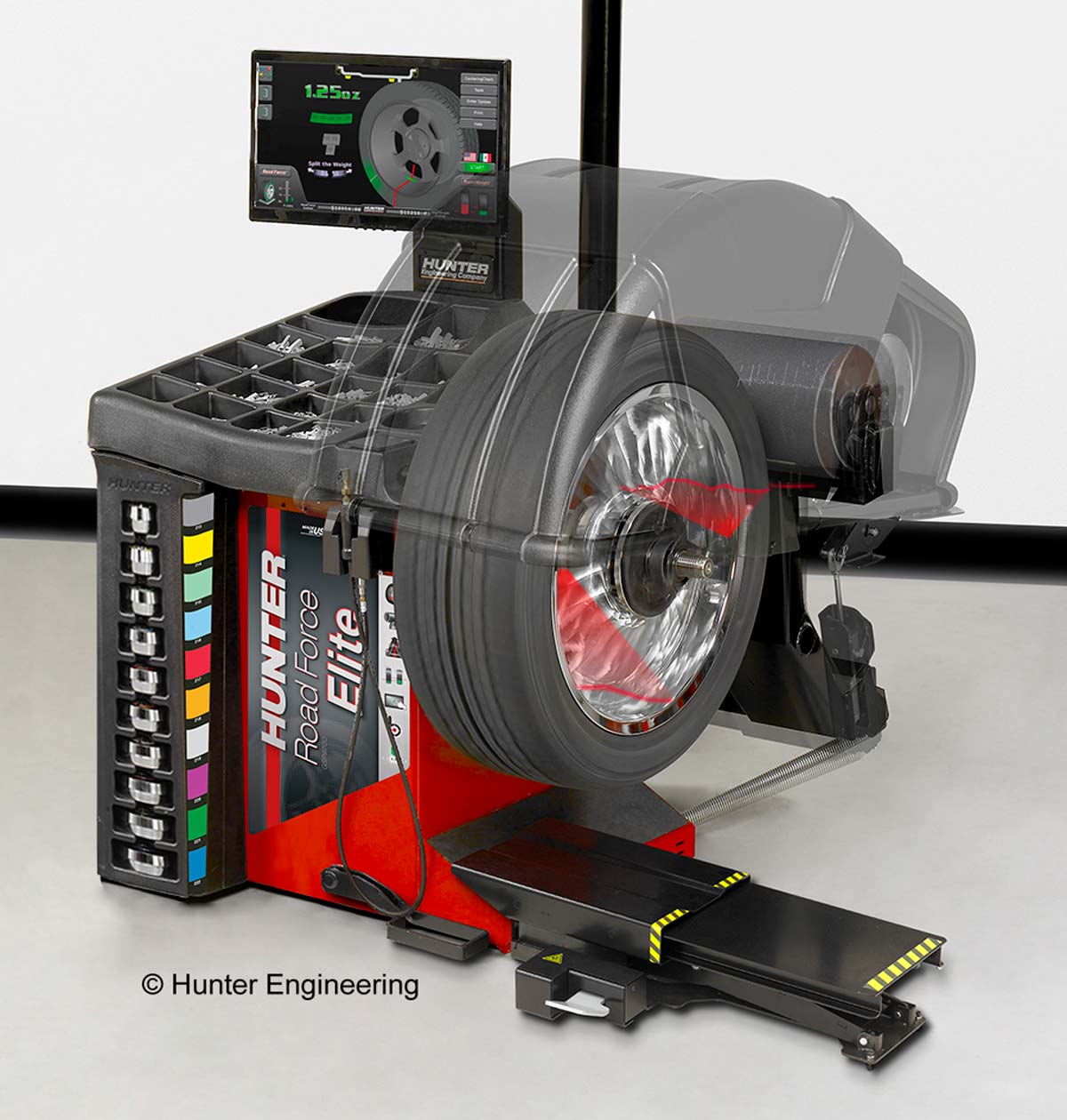
 What Is a Wheel Balancer?
A wheel balancer is a machine designed to measure weight distribution and alignment across a mounted tire and wheel so it spins true. Found in nearly every serious tire shop and service center, it identifies the exact points where extra weight is needed to bring the assembly into balance. If a wheel is unbalanced, drivers typically feel it as vibration in the steering wheel, the seat, or even the floorboards at highway speeds. Left unchecked, that imbalance accelerates tread wear, shortens component life, and hurts fuel efficiency.
Wheel Balancing vs. Wheel Alignment
Balancing and alignment are often mentioned in the same breath, but they solve different problems. Alignment adjusts the angles of the wheels so they meet the road exactly the way the manufacturer intended, preventing pulling and uneven wear. Balancing, on the other hand, corrects weight distribution around the wheel itself so it rotates without wobble.
Although the two processes live on different equipment, they complement each other. A vehicle that is both balanced and aligned rides more smoothly, wears its tires evenly, and keeps its suspension healthier for longer. Most professional shops recommend pairing the two services for the best long-term results.:max_bytes(150000):strip_icc()/185306956-56a956aa3df78cf772a6038e.jpg)
What Does Wheel Balancing Do?
Rebalancing tires every 10,000 to 12,000 miles protects the vehicle from premature wear and keeps the ride comfortable. Beyond simply saving your customers from a bumpy commute, balancing delivers a stack of measurable benefits:
Balanced Wheels
Proper balance and stability make the vehicle behave predictably on the road, reducing vibration-related risks.
Driver Comfort
The correct weight distribution removes excessive vibration, driver fatigue, and nagging on-road headaches.
Longer Tire Life
On-time balancing extends tire lifespan and reduces the odds of having to replace them before their rated mileage.
Better Fuel Efficiency
Balanced wheels roll with less resistance, which translates directly into lower fuel consumption.
Lower Maintenance Cost
Vibrations travel. Balancing protects suspension, bearings, and steering parts from costly premature failure.
How to Use a Wheel Balancer
Balancing a wheel is a careful, repeatable process. Following the same sequence every time keeps accuracy high whether you are working on a passenger sedan or a heavy-duty truck. Here is what the workflow looks like on a typical balancer.
-
Prepare the Wheel
Before anything touches the balancer, clean the mounting surfaces and remove stones, mud, or debris lodged in the tread. A clean wheel is the only way to take an accurate measurement.
-
Center and Mount the Wheel
Lock the wheel-and-tire assembly squarely onto the balancer shaft. Pick the correct collet size for the job, and for large hub-centric wheels (like a 20-inch truck rim) use a snug-fitting collet. A wheel lift keeps heavy assemblies aligned and prevents injury while loading.
-
Select the Right Pin Plate
Choose your pin plate based on the bolt pattern:
- 3- and 6-lug wheels use a 3-lug pin plate
- 4- and 8-lug wheels use a 4-lug pin plate
- 5- and 10-lug wheels use a 5-lug pin plate
-
Secure and Spin
Tighten the hub nut until the wheel is locked in place. The shaft then spins the assembly at high speed while onboard sensors detect any deviation caused by uneven weight or tire wear. Once the spin stops, the machine hands you a precise measurement.
-
Enter Measurements
Use the A&D arm to press the pointer against the wheel until it beeps, confirming the dimensions. For tape weight placement, rotate the laser to mark the outboard line, then align the laser on the A&D arm with the inside of the barrel until it beeps.
-
Apply the Counterweights
The balancer now calculates where weight needs to go. Hang the inboard weight on the inboard plane when the green bar lights up, and place the outboard weight directly under the laser pointer. Proper placement is what eliminates vibration and restores smooth rotation.
-
Recheck the Balance
Spin the assembly again to verify. A proper check spin should return zero weight needed on both the inboard and outboard planes. If anything is off, repeat the correction until the screen reads clean. Skipping this step is the single fastest way to send a vehicle back out with a problem it came in with.
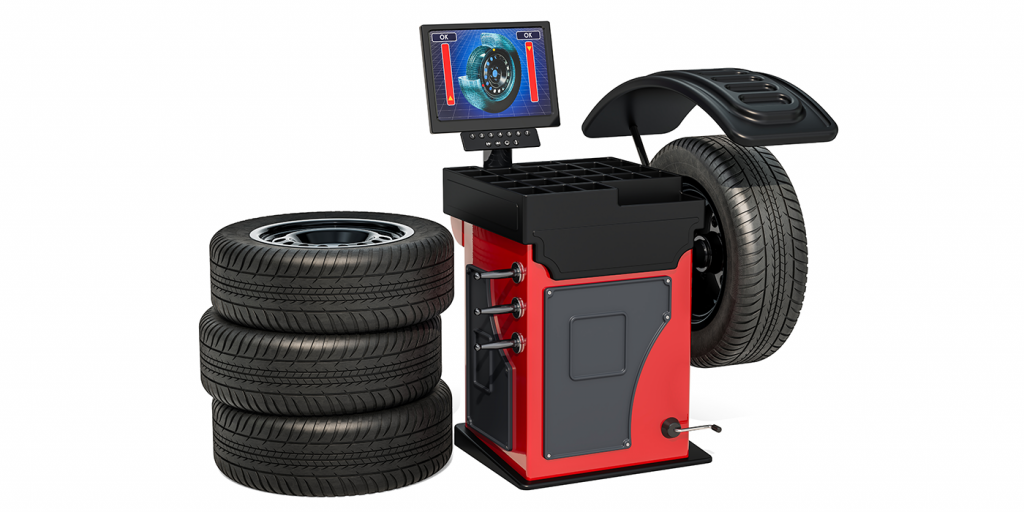
Built for High-Volume Shops
The Hofmann geodyna 7600P pairs a full-color touchscreen monitor with fast, highly accurate balancing — a reliable workhorse for shops that cannot afford downtime.
Shop Geodyna 7600PHow to Find the Right Wheel Balancer for Your Shop
The market is packed with balancers, and picking the right one for your bay can feel like crossing a busy highway on foot. To save you time, here are the factors that matter most when narrowing down the field.
- Assess your workload and vehicle mix. Match the balancer's capacity to the daily flow of vehicles in and out of your shop so installation never interrupts your work queue.
- Consider vehicle types. Different vehicles demand different precision levels. Wheel size, tire type, and whether you serve performance, off-road, or commercial applications should all influence the spec sheet.
- Decide on your preferences. A traditional cone setup or a diagnostic-grade balancer that auto-detects wheel data — your technicians' workflow should drive the call.
- Set a budget. Longer-lasting machines usually cost more upfront but save money over time. Budget realistically for the lifespan you want.
- Look at balancing accuracy. Weight capacity, spin speed, and precision matter. The best machines remove both static and dynamic imbalances, not just one.
- Check the warranty and support. A solid warranty and responsive technical help reflect a manufacturer that stands behind its work.
Once you have chosen a balancer that fits, schedule professional installation and make sure your technicians receive hands-on training during setup. The right onboarding pays back for years.
Types of Wheel Balancers We Offer
At Backyard Provider, our wheel balancer lineup falls into three main categories so you can match a machine to your space, budget, and service mix.
Heavy-Duty Balancers
Rugged machines built with dual calibration software for long, independent service runs. Expect a 575-wheel lift feature, tight tolerances for resistance, data entry, and diameter — ideal for truck and heavy-vehicle specialists.
Direct-Drive Balancers
Known for long-term reliability and efficiency, these balancers solve nearly all of the common issues found in older high-revolution designs. A favorite for shops that value uptime.
Space-Saving Balancers
Compact models designed to slide into tight bays without cluttering your floor. The cost-effective pick for shops that need accuracy in a smaller footprint.
Beyond these three categories, we ship premium balancers built for the demands of today's ever-changing wheel and tire market. Whatever rolls into your shop, we want it rolling out smooth, safe, and vibration-free — with reliability, efficiency, and precision your customers can feel the moment they pull onto the road.
Ready to Upgrade Your Bay?
Bring the precision of the Hofmann geodyna 7600P — touchscreen control, laser-guided weight placement, and trusted accuracy — into your shop.
Shop Geodyna 7600P