

Picture this: you've finally carved out time to tackle the yard, only to find your mower won't cooperate. It sputters, stalls, or refuses to start altogether. Issues like clogged ports, depleted batteries, and contaminated fuel can quickly transform a simple lawn care session into a frustrating ordeal. A properly maintained lawn mower operates efficiently and saves you from expensive repairs. Here's your comprehensive guide to keeping your equipment in peak condition.
Safety First: Protective Gear Essentials
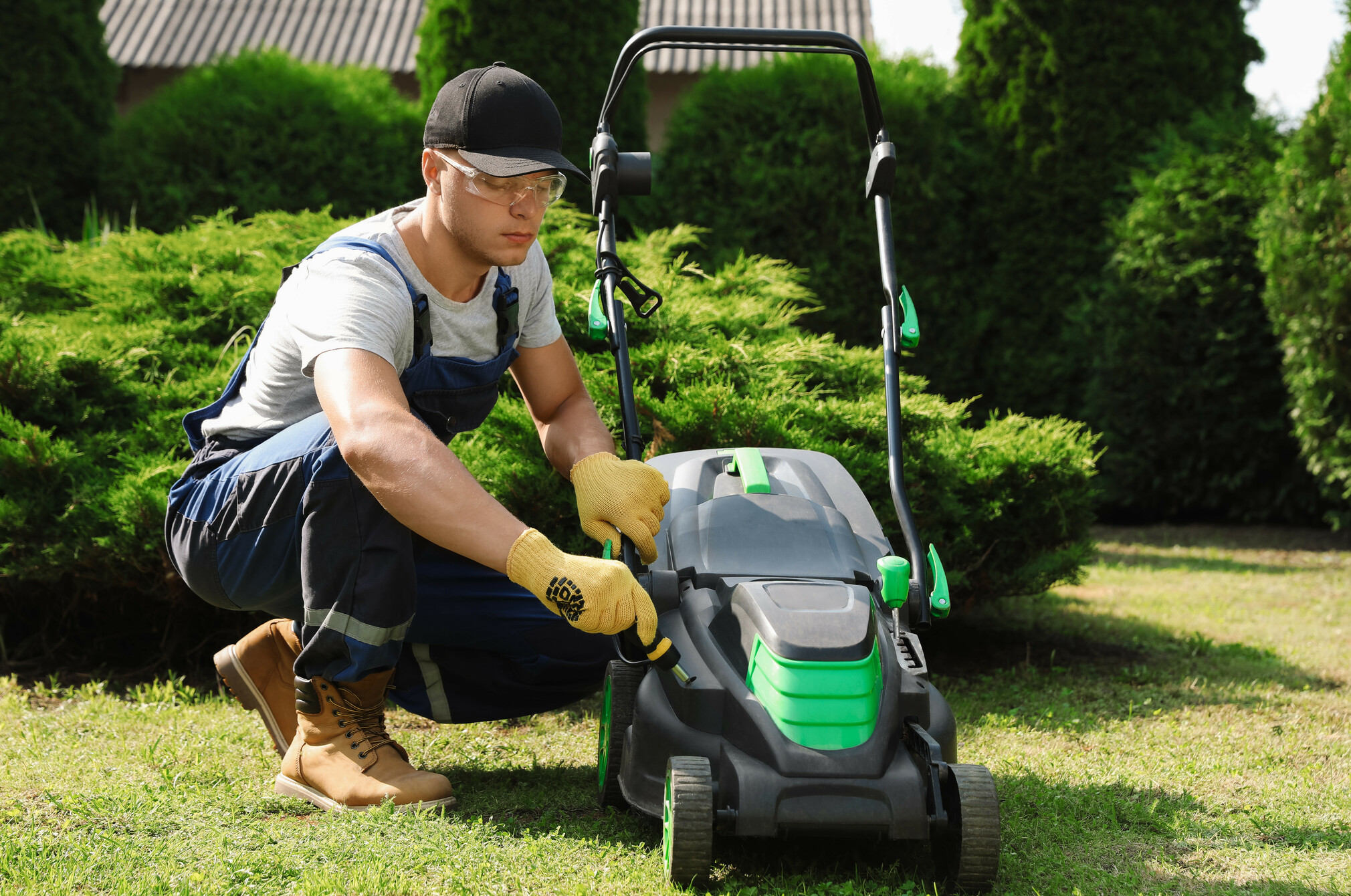
Always prioritize safety when operating or servicing your lawn mower. Proper protective equipment isn't optional—it's essential for preventing injuries.
Required gear includes: Safety glasses to shield your eyes from debris, sturdy work gloves for blade handling, closed-toe footwear with good grip, hearing protection during extended operation, and long pants to protect against flying objects. Always disconnect spark plugs or remove batteries before performing any maintenance.
 Maintenance Essentials for All Mower Types
Consult your owner's manual for model-specific maintenance schedules. These universal practices apply to virtually every lawn mower regardless of power source.
Catcher Maintenance
Use a stiff bristle brush to remove dried grass clippings after each use. Rinse with clean water periodically to prevent buildup and ensure optimal airflow.
Discharge Chute Care
Keep the discharge chute clear using a brush or soft cloth. Accumulated grass can impede discharge efficiency and strain the motor.
Deck Cleaning
Remove grass clippings from the underside using a wooden or plastic scraper. Avoid metal tools that can damage the deck coating. Clean after every few uses.
Exterior Cleaning
Wipe down the exterior regularly to remove grass, dirt, and debris. Keeping your mower clean helps you spot potential issues early and extends equipment life.
Blade Inspection
Check blade sharpness regularly. Dull blades tear grass instead of cutting cleanly, leaving your lawn vulnerable to disease. Sharpen blades at least once per season.
Hardware Check
Inspect all nuts, bolts, and fasteners for tightness. Vibration can loosen components over time, potentially causing damage or safety hazards.
 Petrol Lawn Mower Care
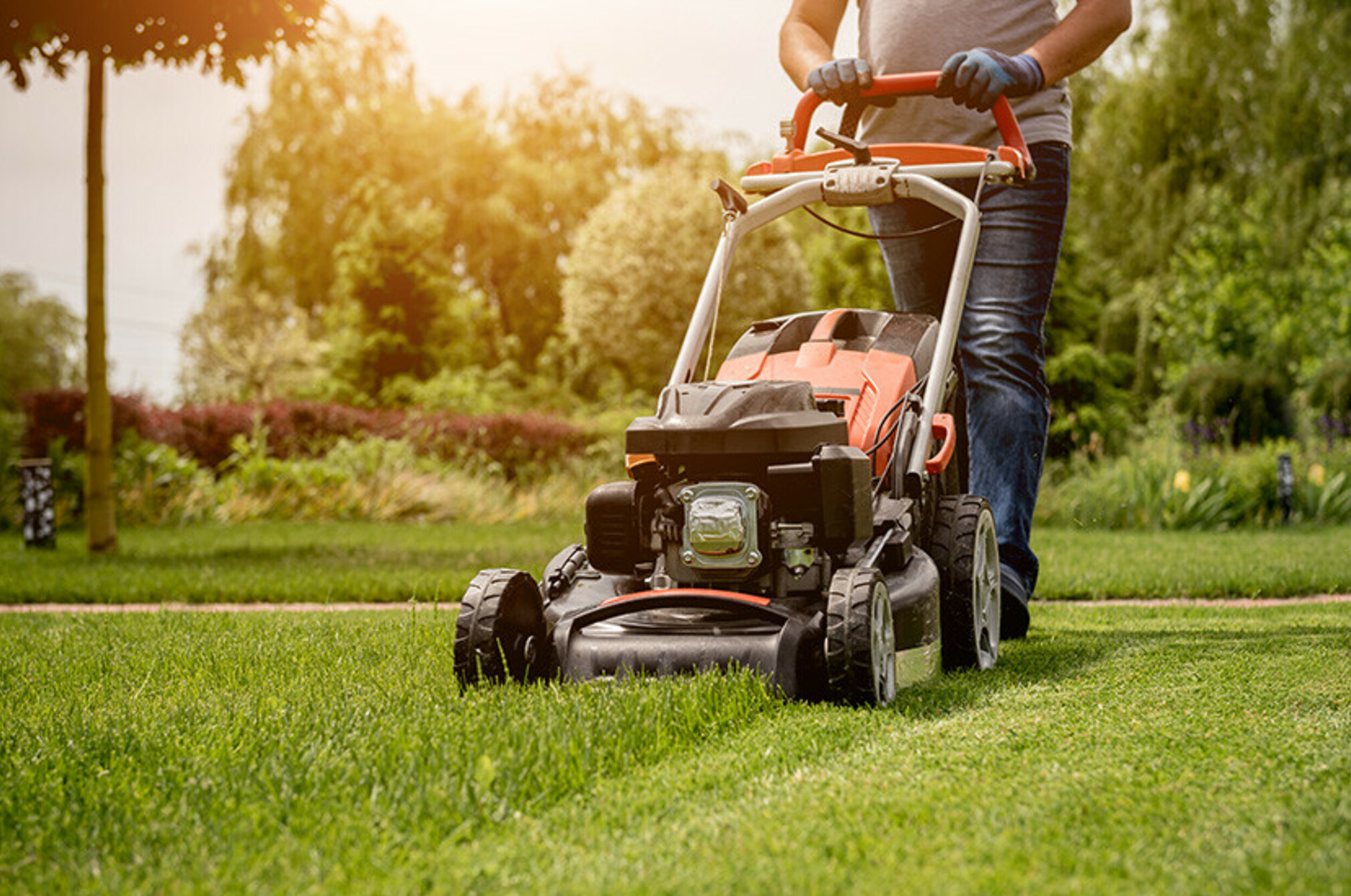
Petrol engines generate significant heat and require consistent servicing. Maintenance intervals vary by model, so always reference your owner's manual for specific guidance.
Fuel System: Always use fresh, stabilized fuel. Drain the tank before extended storage to prevent varnish buildup. Use only the fuel type recommended by your manufacturer.
Engine Oil: Check oil levels before each use and top up as needed. Change oil according to the manufacturer's schedule—typically every 25-50 hours of operation or annually.
Spark Plug: Inspect annually and replace if electrodes are worn or fouled. A clean spark plug ensures reliable starting and efficient combustion.
Air Filter: Clean or replace the air filter regularly. A clogged filter restricts airflow, reducing engine performance and increasing fuel consumption.
Professional Service: Consider annual professional servicing for carburetor adjustments, compression testing, and other technical maintenance beyond basic homeowner care.
 Battery (Cordless) Mower Maintenance
Battery-powered mowers offer convenience with fewer maintenance requirements than petrol models. However, proper battery care is crucial for longevity and performance.
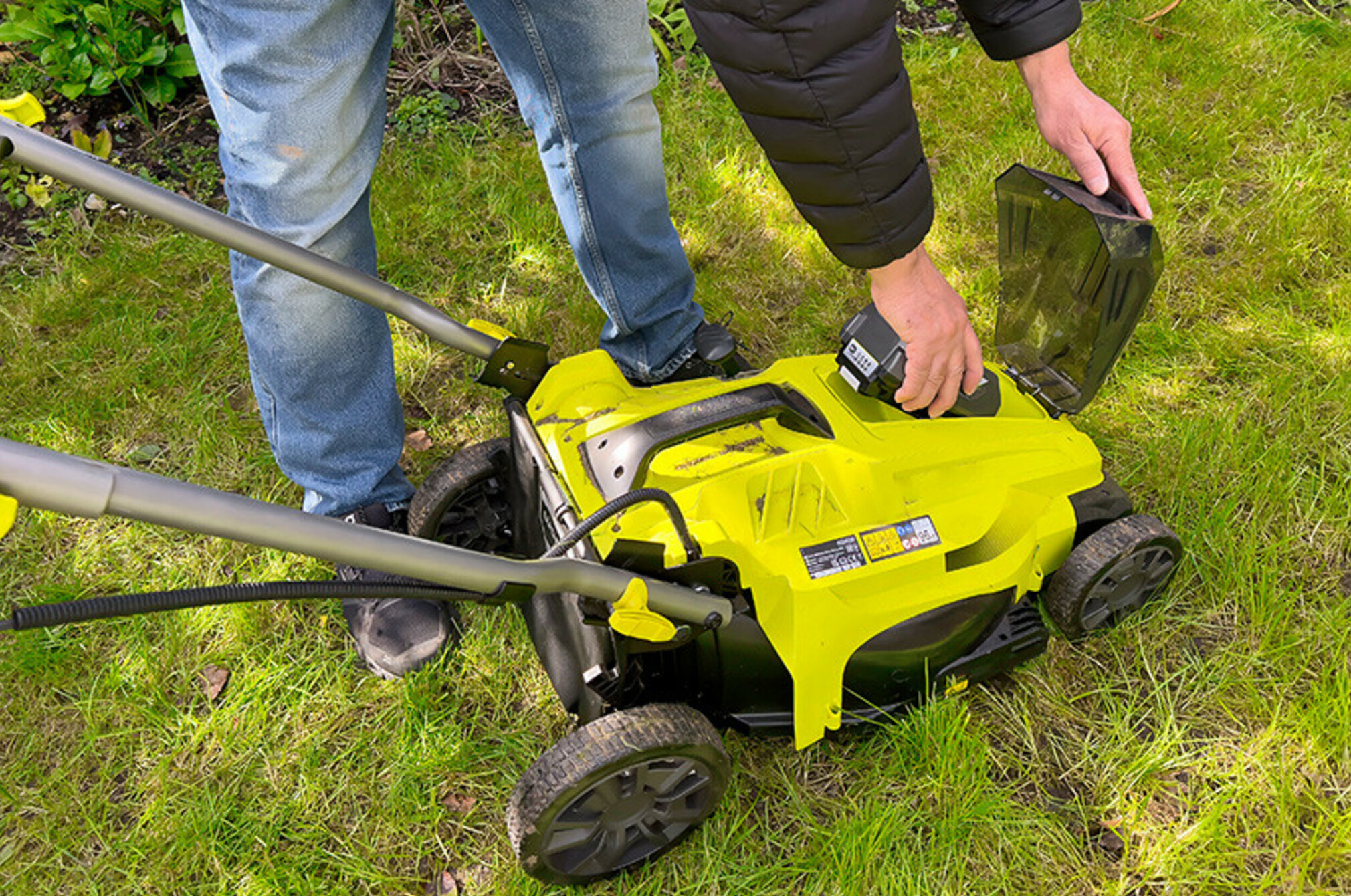
Connection Points: Keep battery and charger contacts clean and free of debris. Dirty contacts can prevent proper charging and reduce power transfer efficiency.
Battery Care: Inspect batteries regularly for damage, swelling, or corrosion. Store batteries in a cool, dry location away from extreme temperatures. Most lithium-ion batteries perform best when stored partially charged.
Maximizing Battery Lifespan
Modern lithium-ion batteries require different care than older battery technologies. Avoid letting batteries fully discharge before recharging—charge them when they reach 20-30% capacity for optimal lifespan.
Store batteries at room temperature during off-season months. Extreme cold or heat can permanently reduce battery capacity. Many manufacturers recommend storing batteries at 40-60% charge for extended periods.
Disposal: Never dispose of lithium-ion batteries in regular household waste. Take them to designated recycling centers or battery collection points to ensure safe, environmentally responsible disposal.
Corded Electric Mower Tips
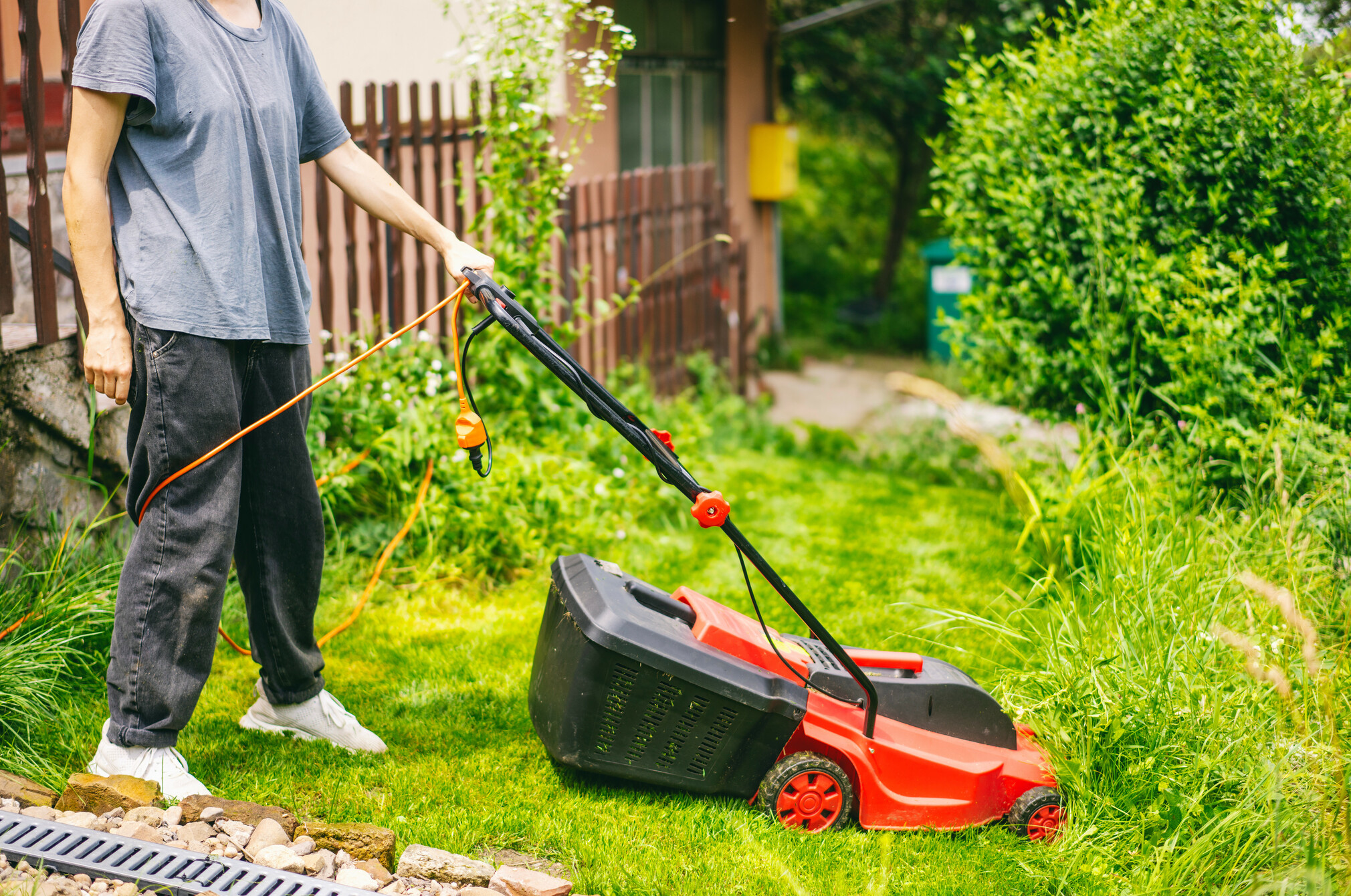
Electric mowers with power cords require minimal maintenance but need attention to electrical safety and cord management.
Power Cord: Inspect the cord and extension lead before each use. Look for cuts, fraying, or damaged insulation. Replace damaged cords immediately—never attempt repairs with electrical tape.
Safety Switch: Test your RCD (residual current device) regularly to ensure it functions correctly. This critical safety feature protects against electrical shock.
Operating Conditions: Never operate electric mowers in wet conditions. Use only outdoor-rated extension cords of appropriate gauge for the mower's power requirements.
Manual Push Reel Mowers
Push reel mowers offer simplicity and environmental benefits. Without engines or batteries, maintenance focuses primarily on the cutting mechanism and overall cleanliness.
Keep the reel blades sharp and properly adjusted against the bed knife. The blades should make light contact without binding. Lubricate moving parts periodically and store in a dry location to prevent rust.
Refer to your specific model's manual for adjustment procedures, as these vary between manufacturers.
 Pro Maintenance Tips
Keep a maintenance log — Track oil changes, blade sharpening, and part replacements. This helps you stay on schedule and provides valuable information if problems arise.
End-of-season prep — Before winter storage, clean thoroughly, stabilize fuel (petrol models), and store in a dry, protected location. Spring startup will be much smoother.
Know when to call a professional — Some repairs require specialized tools and expertise. Don't hesitate to consult a qualified technician for complex issues.
Ready to Upgrade Your Lawn Care Equipment?
Discover commercial-grade mowers built for performance and durability.
Bradley 36" Walk Behind Mower