

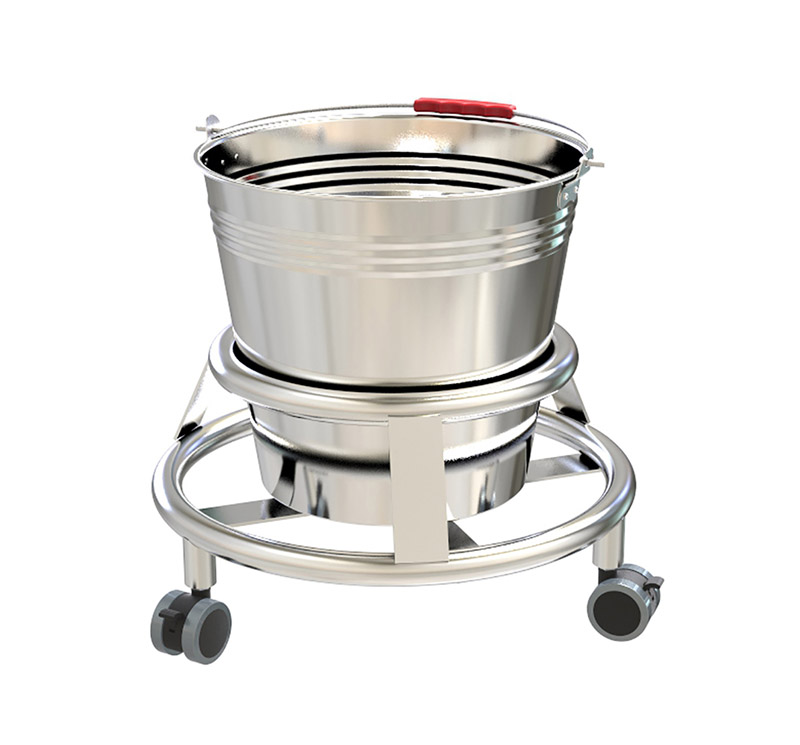
Infection control and sterilization are foundational practices in the healthcare and food industries. Maintaining a sterile environment requires tools built for the task — and stainless steel buckets consistently rise to the challenge with durability, corrosion resistance, and effortless sanitation.
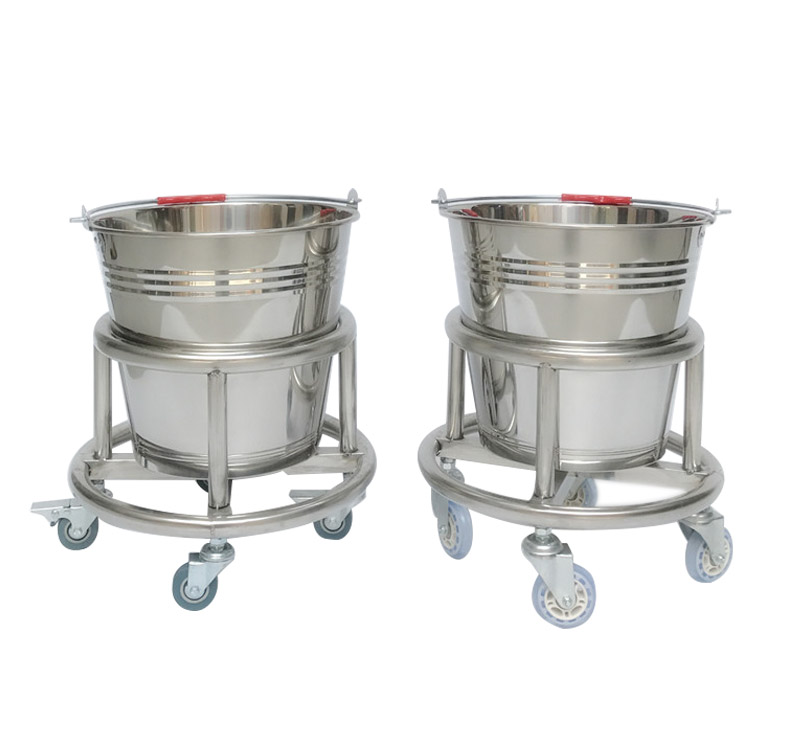
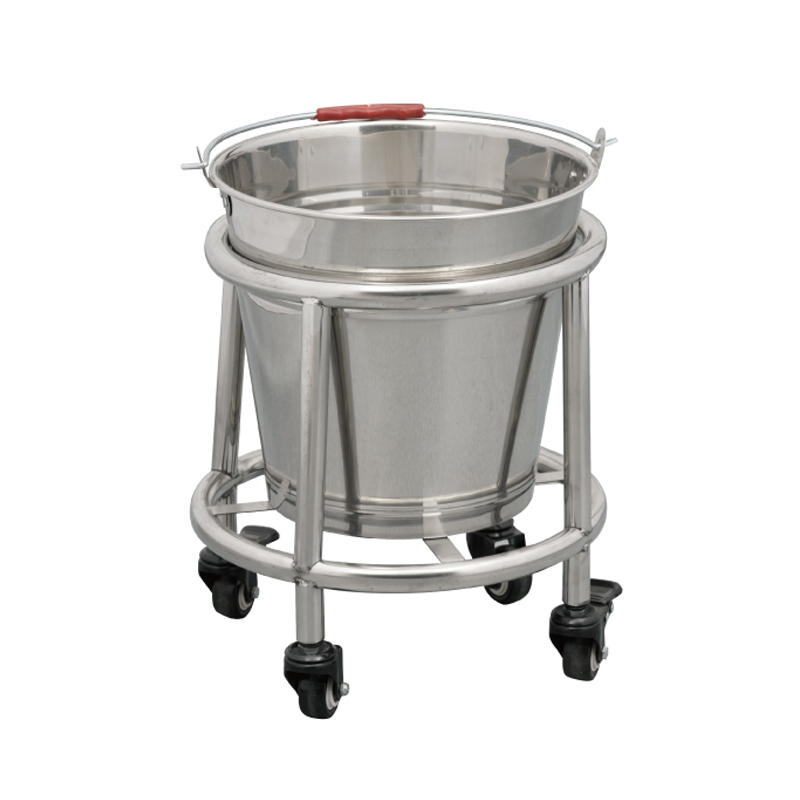
Stainless steel medical buckets are purpose-built containers designed to withstand the rigorous demands of healthcare environments. Highly resistant to corrosion and easy to clean, they are commonly found in hospitals and clinical settings where sterilization, safe waste disposal, and instrument storage are daily priorities.
These buckets tolerate extreme temperatures and aggressive cleaning chemicals, making them a natural fit for sterilization processes including autoclaving. Their smooth, non-porous surfaces discourage the growth of bacteria and pathogens — a critical quality where patient safety is paramount.
"Medical-grade stainless steel buckets are not just containers — they are active components of a hospital's infection control strategy, built to maintain hygiene at every step."
The Role of Stainless Steel Buckets in Hospitals
Infection Control and Sterilization
Stainless steel buckets are integral to hospital sterilization workflows. Their ability to endure high temperatures and harsh chemical exposure makes them indispensable in environments where contamination control is non-negotiable. Sterilization — the complete elimination of all microbial life including bacteria, viruses, fungi, and spores — is achieved through autoclaving, chemical disinfection, and dry heat, all processes that stainless steel handles without compromise.
Key Properties That Make Them Ideal for Healthcare
Corrosion Resistance
Highly resistant to acids, moisture, and cleaning agents, maintaining structural integrity even under constant exposure to harsh chemicals.
Exceptional Durability
Unlike plastics, stainless steel withstands heavy daily use without cracking or warping, ensuring a reliably sterile environment long-term.
High-Heat Tolerance
Withstands the high-pressure steam of autoclave sterilization without compromising shape, strength, or structural integrity.
Easy to Sanitize
Smooth, non-porous surfaces repel dirt, bacteria, and pathogens — quick to clean and even quicker to restore to a sanitary state.

Applications in Infection Control
Sterilization of Surgical Instruments
In clinical settings, surgical instruments must be fully sterilized before each use to eliminate cross-contamination risks. Stainless steel buckets hold instruments throughout the sterilization process, ensuring every tool is free from harmful pathogens before a procedure. Sterilized instruments stored inside can be safely reused without compromising hygiene norms.
Medical Waste Disposal
These buckets are well-suited for the safe disposal of medical and surgical waste — contaminated bandages, syringes, and other hazardous materials. Designed with secure lids, they contain potentially infectious waste and prevent environmental contamination. Their leak-proof construction minimizes infection transmission risk during handling.
Disinfecting Non-Sterile Items
Beyond full sterilization, stainless steel buckets are used for soaking and disinfecting items such as cleaning cloths, gloves, and towels. These frequently-used items require regular chemical disinfection to prevent cross-contamination, and stainless steel containers provide an effective, durable solution for that process.
Transporting and Storing Sterile Supplies
Controlling the movement of sterile supplies is as important as the sterilization itself. Stainless steel buckets are used to transport bandages, dressings, and surgical tools while maintaining cleanliness at every step. Easy to clean and sanitize between uses, they prevent the growth of harmful microorganisms throughout the supply chain.
Food Handling in Healthcare Facilities
In hospitals, stainless steel buckets also serve in the storage and transportation of food products. Their resistance to contamination, bacteria, mold, and other pathogens ensures that food remains safe and uncontaminated from kitchen to patient.
Benefits of Sterile Stainless Steel Containers
- Cost-Effective: Long-lasting and built to endure, stainless steel buckets minimize the need for frequent replacements, making them the most economical choice over time compared to plastic alternatives.
- Sustainability: Stainless steel is fully recyclable, making these buckets a responsible, eco-conscious choice in healthcare and food service settings.
- Enhanced Infection Control: Non-porous surfaces and corrosion resistance work together to prevent the growth of harmful microorganisms, keeping all medical supplies and equipment sterile.
- Safety & Hygiene: Their smooth surfaces resist bacteria and other pathogens, promoting the highest standards of hygiene in any environment where sanitation is critical.
Stainless steel buckets provide a safe, reliable, and effective solution for infection control practices — combining durability, hygiene, and long-term value in a single essential tool.