

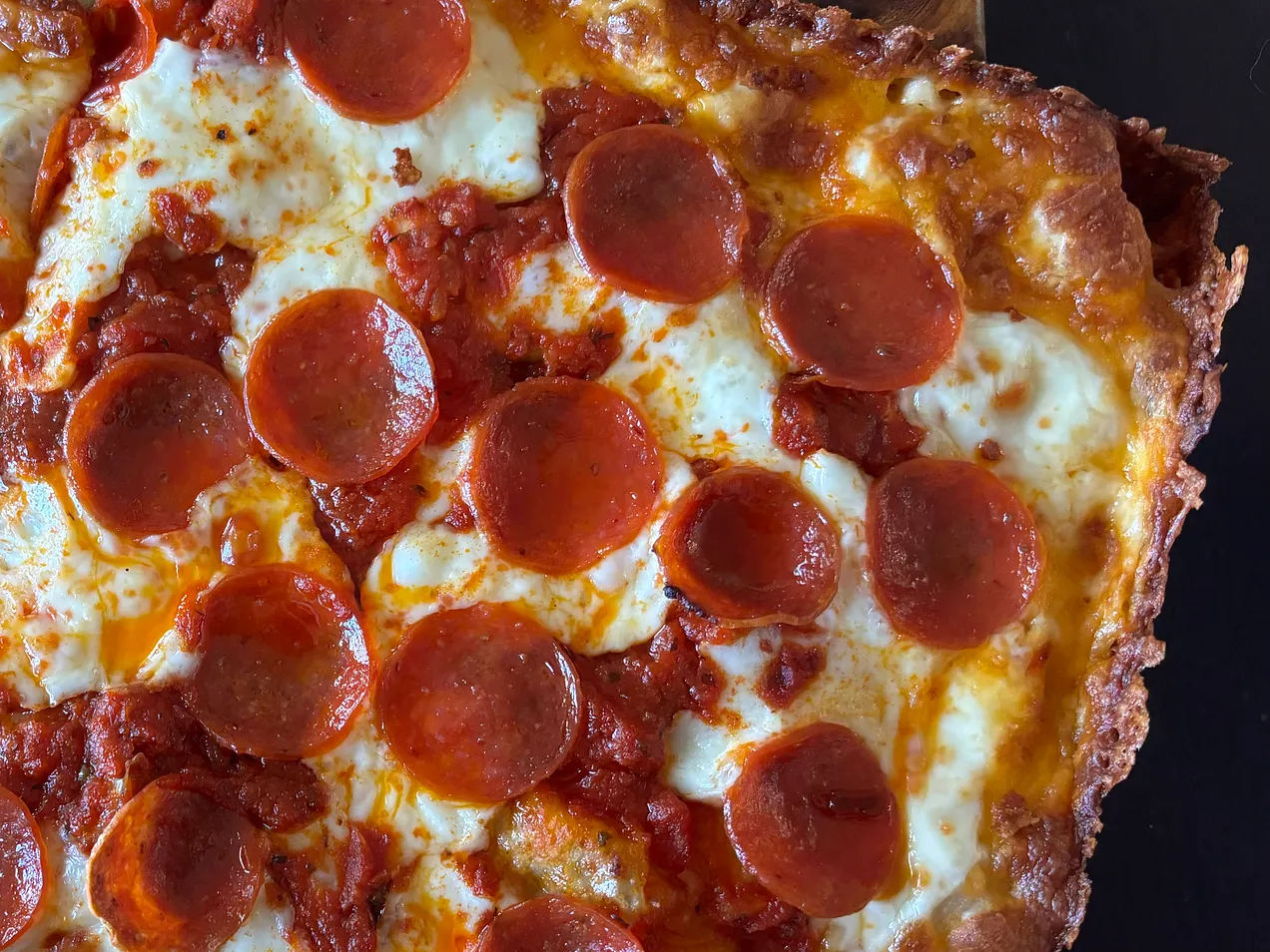
 Once you understand how the system works, choosing the right oven and consistently producing standout pizza at home becomes far easier.
The Three Forms of Heat That Power Every Pizza Oven
A true pizza oven leans on a combination of conduction, convection, and radiant heat. Together, this trio delivers fast cook times, balanced browning, and the textural finish that conventional ovens simply cannot replicate.
1. Conduction
Conduction begins the moment your dough touches the hot floor of the oven. That floor, typically built from stone or fire brick, carries high thermal mass and stores a tremendous amount of heat.
As the dough makes contact:
- The base crisps almost immediately
- Surface moisture flashes off
- A blistered, golden crust forms
This is exactly why a wood-fired outdoor oven can finish a pizza in under 90 seconds; the floor holds powerful, consistent heat.
2. Convection
Convection is the steady circulation of hot air through the oven chamber. As the fire roars, that motion becomes a continuous loop:
- Hot air climbs upward
- Travels along the dome
- Sweeps back down toward the pizza
- Exits through the opening or flue
This constant movement guarantees toppings cook uniformly, cheese melts cleanly, and no single area of the pizza receives more heat than another.
3. Radiation
Radiant heat is that intense warmth you feel standing next to an open flame. Inside the oven, both the live fire and the scorching dome walls release radiation that cooks the top of the pizza.
This is the force responsible for:
- Leopard-spotted char
- Lifted, airy crust edges
- Beautifully caramelized toppings
Radiation cooks downward from above while conduction handles the underside, producing a flawless top-to-bottom balance.
The Engineering That Locks In the Heat
Pizza ovens are constructed from materials specifically chosen to absorb heat and hold it for hours. The most common include:
- Fire brick
- Natural stone
- Ceramic components
- Specialty refractory blends
These materials soak up heat during the burn and slowly release it long after the flames have settled. That sustained warmth is the reason back-to-back pizzas come out just as well as the first, and it is also why an outdoor wood-fired oven is so efficient for extended cooking sessions.
The same thermal mass enables the oven to hold temperatures of 750°F (400°C) and beyond, the sweet spot for restaurant-quality results at home.
Why Pizza Ovens Are Dome-Shaped
That curved dome is not a stylistic flourish, it is structural to how the oven performs.
The dome shape:
- Bounces radiant heat directly back onto the pizza
- Encourages hot air to trap and circulate
- Distributes heat evenly from every angle
- Stops heat from dissipating too quickly
Together, these effects create a kind of thermal vortex inside the chamber, ensuring every part of the pie cooks at the same pace. Without that curved geometry, heat would either escape or pool unevenly.
 Why Rotating the Pizza Matters
In nearly every pizza oven, the back runs hotter than the front because the fire generally sits at the rear or along one side.
To avoid scorching:
- Turn the pizza every 15 to 20 seconds
- Use a turning peel to lift and rotate safely
- Each rotation exposes a new edge to the hottest zone
This step is especially critical for:
- Neapolitan-style pizza
- Thin-crust pizza
- Anything baked above 700°F
The first time you cook in an outdoor pizza oven, rotation alone will noticeably elevate the final product.
Why High Temperatures Are the Secret
The real magic of a pizza oven lies in its capacity to push past temperatures that home appliances cannot reach. Most outdoor ovens climb to:
That kind of intense heat accomplishes four essential things:
- Speeds cooking, finishing pizzas in 60 to 90 seconds
- Creates the char and blistering that defines artisan style
- Keeps the interior tender while the exterior crisps
- Prevents the dough from drying out, locking in the perfect bite
This combination is virtually unreachable in a standard kitchen oven, which usually tops out around 500°F.
Ready to Bring True Pizzeria Heat Home?
The Forno Piombo Casa 90 Pizza Brick Oven delivers the radiant fire, dome architecture, and thermal mass that turn weekend cooking into a real artisan experience.
Bringing the Science to Your Backyard
Once you grasp how conduction, convection, and radiation cooperate inside a true pizza oven, the appeal of an outdoor wood-fired model becomes obvious. It is not just about flavor, it is about reproducing centuries of cooking craft with engineering built specifically for the job.
A purpose-built oven like the Forno Piombo Casa 90 brings all three heat forms into balance, holds restaurant-grade temperatures, and gives you the dome geometry that authentic pizza demands.