

Proper maintenance and timely troubleshooting are essential to extending the lifespan and ensuring the efficiency of your paper guillotine. Regular upkeep not only keeps your machine running smoothly but also prevents costly repairs and unnecessary downtime.
We understand the importance of maintaining your equipment, and we are here to provide you with practical DIY maintenance tips and straightforward troubleshooting advice for your paper guillotine. Whether you own a compact desktop trimmer or a heavy-duty commercial cutter, the steps covered in this guide will help you preserve your machine's performance and keep it operating at its best for years to come.
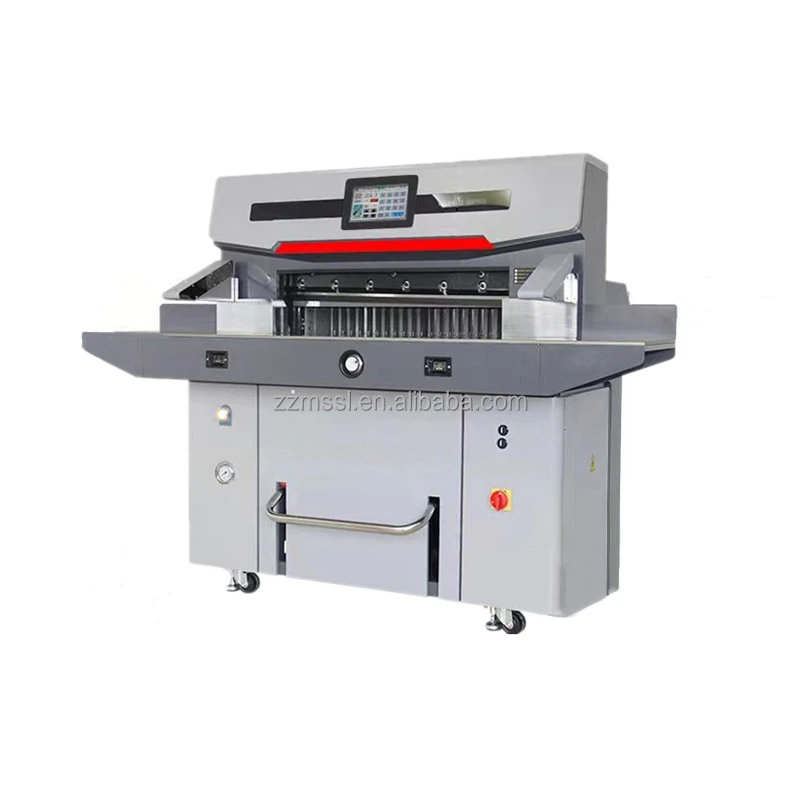
Regular Maintenance Tips
Daily Cleaning
One of the simplest yet most effective maintenance habits is cleaning your guillotine every day after use. Remove paper dust, debris, and any particles that accumulate around the blade and cutting surface during operation. Use a soft brush or a lint-free cloth to gently clean the blade area and surrounding components. Preventing buildup is key to maintaining consistent cutting performance over time.
Proper Lubrication
Lubrication is essential for smooth operation and protects your machine against unnecessary wear and tear. Consult your guillotine's user manual to identify the lubrication points and the specific lubricants recommended by the manufacturer. As a general rule, applying a light machine oil to all moving parts periodically — based on your usage frequency — will keep mechanical components operating freely and extend the overall lifespan of the machine.
Blade Care
The blade is the most critical component of any paper guillotine. Keeping it consistently sharp is essential for clean, efficient cuts. A dull blade not only produces ragged, uneven edges but also places additional strain on the machine's mechanical parts, which can accelerate wear over time. Learn how to sharpen the blade yourself if you feel comfortable doing so, or schedule regular professional sharpening services to ensure the blade always performs at its peak.
Check for Wear & Tear
Make it a habit to regularly inspect your guillotine for any visible signs of wear and tear, paying particular attention to high-stress components such as the blade, the cutting stick, and the clamp mechanism. These parts endure the most physical stress with every cut. Replace any worn or damaged components promptly to keep the machine in proper working order and avoid further damage to surrounding parts.

Troubleshooting Common Issues
-
Paper Not Cutting Cleanly
If your cuts are producing rough or uneven edges, the most likely causes are a dull blade, an incorrect paper stack alignment, or a damaged cutting stick. Begin by inspecting the blade for sharpness. Check that the paper is positioned squarely against the measurement guide before each cut. Inspect the cutting stick for grooves or flat spots and replace it if needed to restore a clean cutting surface.
-
Paper Jamming During Cuts
Paper jams are most commonly caused by attempting to cut more sheets than the machine is rated to handle in a single pass, or by paper that has not been properly aligned within the cutter. If you encounter a jam, reduce the stack thickness to a level within your machine's capacity and ensure that all sheets are perfectly aligned and flush against the back guide before bringing the blade down.
-
Guillotine Not Cutting Through All Pages
This issue typically points to a dull blade or insufficient cutting pressure. First, check whether the blade needs sharpening or replacing entirely. If the blade appears to be in good condition, verify that the pressure being applied during the cut is adequate for the thickness and type of paper in the stack. Adjusting the pressure settings where applicable can often resolve this issue quickly.
-
Unusual Noises During Operation
Unexpected sounds during operation — such as grinding, squeaking, or rattling — are often an indication of loose components or parts that are in need of lubrication. Stop the machine and perform a thorough inspection of all mechanical parts. Tighten any fasteners that appear loose and apply lubrication to all moving components as specified in the manufacturer's guidelines before resuming operation.
When to Seek Professional Help
While the majority of routine maintenance and minor repair tasks can be handled in-house with basic tools and careful attention, there are situations that genuinely require the expertise of a professional technician. If your guillotine continues to experience persistent problems despite your best troubleshooting efforts, or if you are ever uncertain about how to safely perform a particular maintenance task, it is always the wiser choice to call in the experts. Professional servicing can address complex internal issues, ensure that your guillotine is properly calibrated, and help you avoid more serious — and more costly — problems developing further down the road.
Looking for a Reliable Paper Guillotine?
The Formax Cut-True 15M is built for precision, durability, and easy long-term maintenance.
Formax Cut-True 15MConclusion
Maintaining your paper guillotine through consistent DIY care and knowing how to identify and troubleshoot common problems can significantly enhance both its performance and its longevity. A well-maintained paper guillotine is the foundation of efficient, reliable operation in any business setting — and the effort you invest in routine upkeep today will save you from expensive repairs and unexpected downtime tomorrow.
Remember, the most important steps are the simplest ones: clean the machine daily, lubricate it regularly, keep the blade sharp, and inspect it often for signs of wear. For more complex issues, do not hesitate to seek professional maintenance services to ensure your equipment stays in optimal condition for the long term.