

Like it or not, cold weather is on its way. For dog owners with outdoor kennels, that means it is time to start thinking about how to keep your furry friend safe, warm, and comfortable during the chilly months ahead. A kennel is your dog's personal retreat — and just like your own house, it needs a bit of seasonal preparation to handle what winter throws at it.
If your pet spends time in an outdoor shelter, getting it winter-ready is not something to put off. The process is simpler than you might expect, but the impact on your dog's well-being can be enormous. Although most outdoor structures offer some protection from rain, snow, and wind, not every kennel is built to truly keep the cold at bay. That is exactly why winterizing matters so much.
Below, you will find a collection of practical dog kennel winterization tips and strategies for keeping your canine companion cozy when temperatures drop. Let's get started.
Inspecting Your Dog's Kennel Before Winter
Before you dive into winterization, take the time to do a thorough check of your kennel's current condition. A careful inspection now can prevent major problems once the cold really sets in. Here are the key areas to focus on:
Size matters. Make sure your kennel is appropriately sized. Your dog should have enough room to stand, turn around, and lie down comfortably, but the space should not be so large that body heat dissipates too quickly to offer any warmth.
Location is key. Evaluate where the kennel sits in your yard. Ideally, it should be positioned up against a wall, fence, or shed that blocks prevailing winds. If your yard tends to collect water or stays damp, consider raising the kennel off the ground to avoid moisture buildup.
Check for gaps. Grab a flashlight and carefully inspect the interior. Pay close attention to seams, corners, and joints where cold air, water, or ice could sneak through. Seal up anything that looks compromised.
Test the roof. Pour water over the roof or wait for rainfall and check inside for leaks. Even a small drip can turn into a big issue when freezing temperatures arrive. Patch any problem areas right away.
Apply weatherstripping. Just like you would on your own doors and windows, add weatherstripping to the kennel's openings to keep drafts from creeping in.
Layer the bedding. Fill the kennel floor with thick, insulating bedding such as hay, cedar chips, or wood shavings. Aim for at least six inches of depth to provide a warm cushion between your dog and the cold ground.
Improve drainage. Spread pea gravel in the outdoor run area around the kennel. This promotes proper drainage and can also serve as a trench barrier to prevent flooding near the structure.
Once you have completed this inspection and made the necessary repairs, it is time to move on to the active steps that will keep your dog's home warm and dry throughout the season. Even small adjustments can yield a big difference in how well a kennel holds up against winter weather.
Practical Tips for Keeping Your Dog Warm When Temperatures Drop
After your kennel is properly winterized, you can rest easier knowing your dog has a solid shelter. But preparation does not stop at the structure itself — there are additional steps you should take to ensure your pet stays safe and healthy as the cold intensifies.
Keep in mind that not every breed handles the cold equally. Dogs like huskies, collies, and Labrador retrievers have thick coats and natural insulation that help them thrive in frigid conditions. On the other hand, breeds like Yorkies, Chihuahuas, and Boxers tend to get cold very quickly and may struggle when the thermometer plummets. Know your dog's tolerance level and plan accordingly.
Give your dog the best chance at staying comfortable by maintaining a winterized kennel and following the practical tips below for cold-weather care.
Reposition Your Dog's Bed Strategically
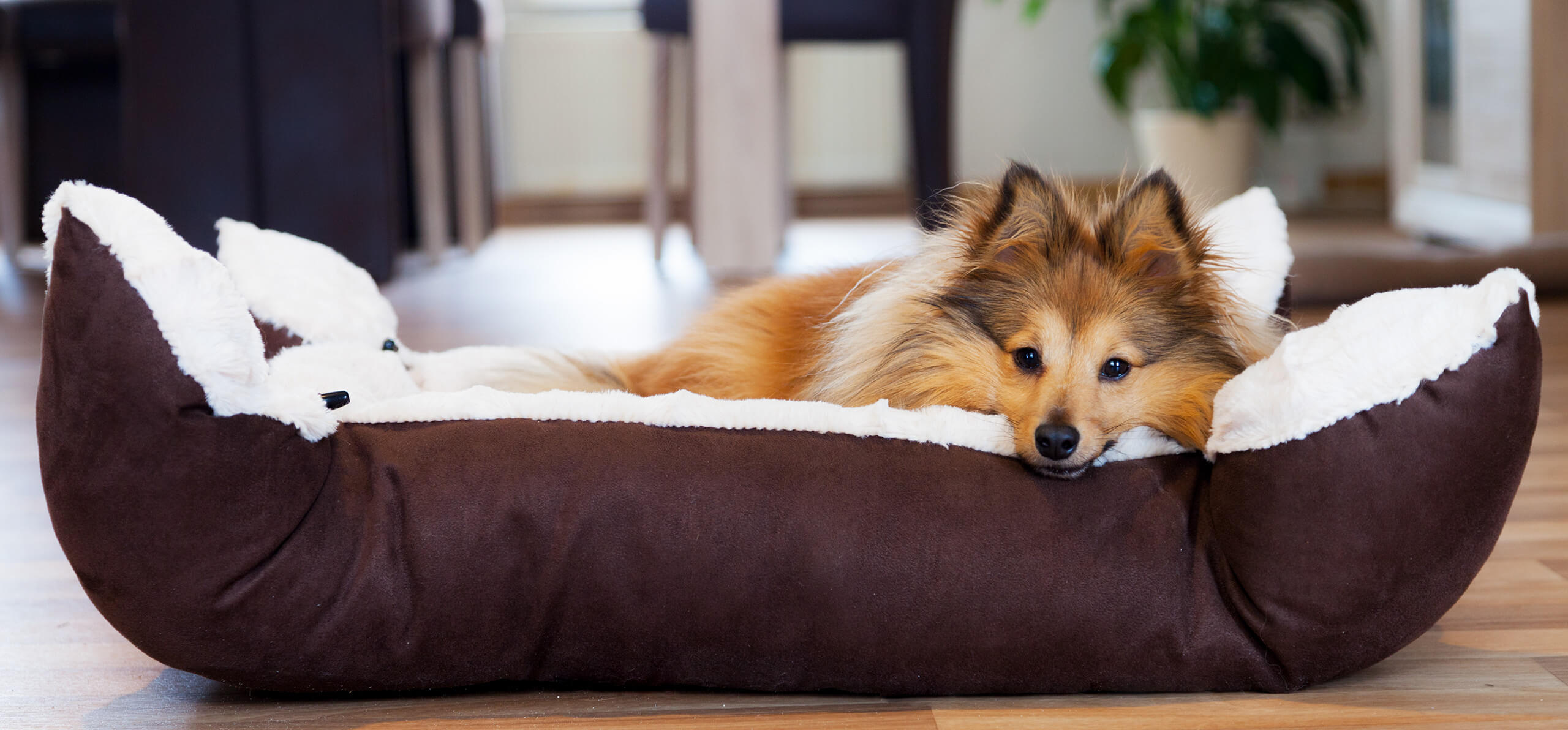
If there is a bed inside your dog's kennel, where you place it can have a significant effect on warmth. Position the bed in the most sheltered spot — away from the door and any areas where drafts tend to sneak in. The goal is to create a snug corner where your dog can curl up without being exposed to cold airflow.
Monitor Your Dog for Signs of Cold Stress
When the weather gets bitterly cold, make it a habit to check on your dog frequently. Dogs exhibit many of the same cold-related symptoms that humans do. Watch for a runny nose, lethargy, shivering, watery eyes, or any signs of fever. If you notice any of these, your dog may be too cold and you should either bring them indoors or make immediate modifications to their kennel setup.
Avoid Harsh Chemicals Near the Kennel
Chemical products can be especially harmful to your dog's sensitive paws, particularly during winter. Avoid using harsh cleaners or chemical agents inside the kennel. If ice forms around the kennel or in your dog's outdoor space, steer clear of commercial de-icing products that contain chemicals known to cause irritation. Opt for pet-safe alternatives instead.
Consider Adding a Heating Element
There is a wide range of doghouse heaters and heated pet beds available on the market today. You should not necessarily run a heater around the clock, but on nights when temperatures plunge to extreme lows, having a heating option available can make a world of difference for your pet's comfort and safety.
Inspect and Maintain the Kennel Bedding
Bedding is not a set-it-and-forget-it solution. Throughout the winter months, regularly check on your dog's bedding to make sure it remains clean, dry, and sufficiently thick. Replace or add material as needed to maintain at least six inches of cushioning for your dog to nestle into comfortably.
These small but meaningful efforts, combined with a properly winterized kennel, can truly transform your dog's winter experience. The difference between a cold, miserable pup and a warm, happy one often comes down to a handful of thoughtful preparations.
Why a Quality Kennel Makes All the Difference
While winterization is essential, the single best thing you can do for your dog is start with the right kennel. No amount of seasonal upgrades can fully compensate for a poorly constructed shelter. A high-quality, well-built kennel provides the solid foundation that keeps your pet safe, warm, and dry regardless of what Mother Nature sends your way.
At Backyard Provider, we understand how important your pet's comfort and safety are. That is why we offer outdoor dog kennel solutions built with premium materials and thoughtful design — structures crafted to be warm, durable, and dependable shelters that both you and your dog can count on season after season.
Our kennel shed kits feature robust construction details including pressure-treated wood foundations that keep the structure elevated off the ground, R-13 batten insulation in the walls and ceiling for superior thermal protection, and R-13 closed-cell spray foam insulation in the floor. The natural insulating properties of wood siding and shingle roofing offer an additional layer of defense against the elements for your canine companion.