

Keeping your heavy-duty chop saw well-maintained is the single most important step toward long-lasting, reliable performance. By following proven best practices, you can protect your investment, ensure safer operation, and avoid costly downtime on the job.
Why Maintenance Best Practices Matter
Proper maintenance does far more than simply keep your equipment running — it actively improves cutting accuracy, reduces the risk of blade failure, and extends the overall life of your machine. Skipping routine care leads to premature wear on critical components, ultimately costing you more in repairs and replacements than a few minutes of attention ever would.
Safe operation goes hand in hand with a well-maintained saw. Loose components, worn blades, and neglected bearings all increase the likelihood of accidents during use. A reliable maintenance routine eliminates these hazards before they become serious problems.
Enhancing Safety Through Consistent Care
Safety is non-negotiable when working with metal-cutting equipment. Implementing a structured maintenance routine dramatically reduces the risk of injury. Inspecting guards, checking blade condition, and verifying that all fasteners are tight before each use are habits that protect both the operator and those working nearby.
Never operate your chop saw with a cracked, chipped, or visibly worn blade. Blade integrity is your first line of defense against dangerous kickback and material ejection.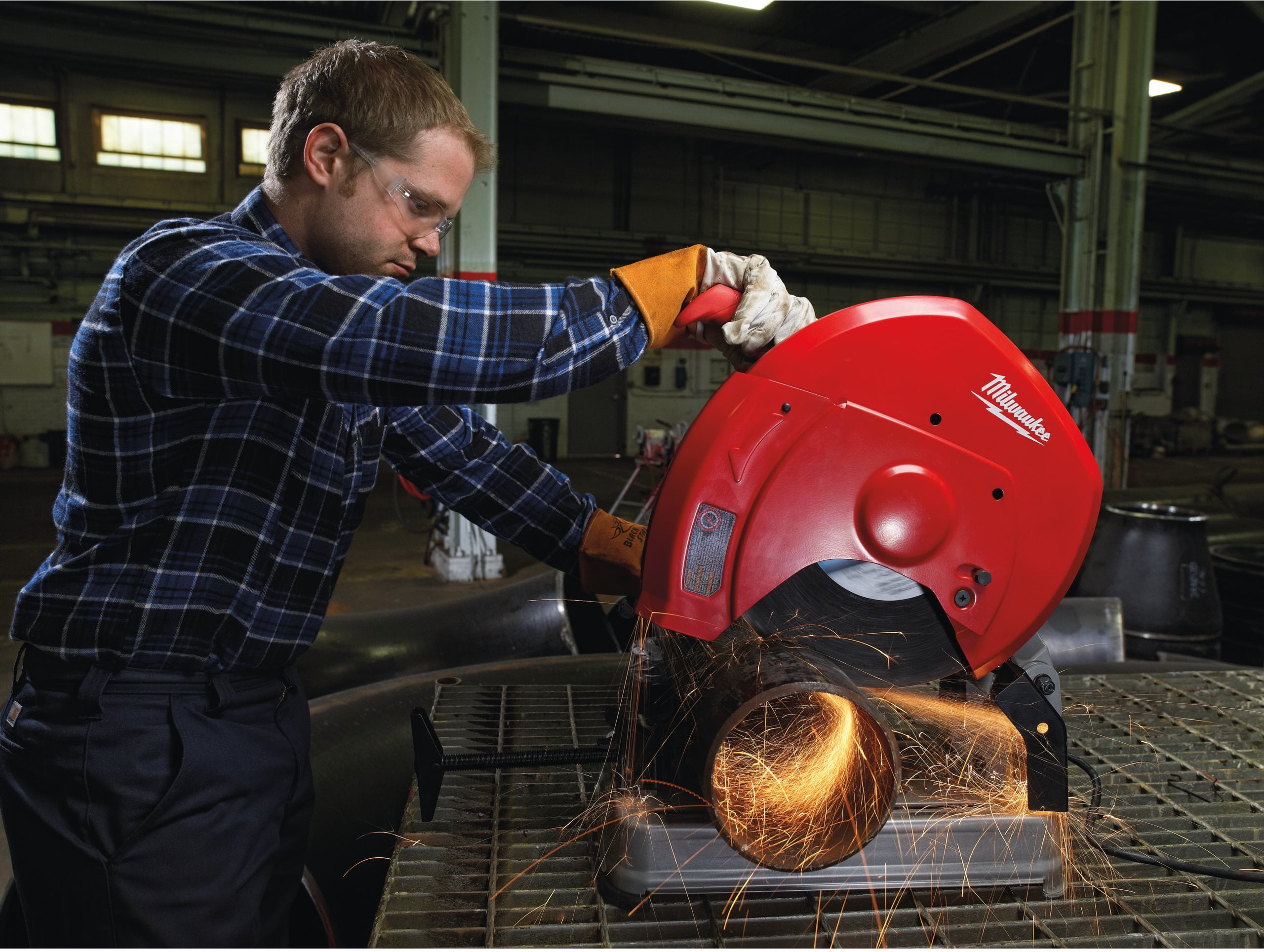
Extending the Lifespan of Your Chop Saw
A quality metal cutting chop saw is a significant investment. Routine maintenance is how you protect that investment for years to come. Addressing minor issues early — an unusual vibration, slight misalignment, or an increase in cutting effort — prevents minor problems from escalating into major mechanical failures.
Operators who follow a structured care routine consistently report longer blade life, smoother cuts, and far fewer unexpected breakdowns compared to those who run equipment without regular inspections.
Routine Maintenance Tips
Daily Tasks
- Inspect the blade for signs of wear, cracking, or damage
- Clear the saw of all metal debris and dust buildup
- Verify blade alignment and adjust as needed
- Confirm all guards and safety covers are secure
Weekly Tasks
- Lubricate all moving parts and pivot points
- Inspect and tighten any loose bolts or fasteners
- Check spindle bearings for play or roughness
- Verify the fence and miter scale for accuracy
Monthly Tasks
- Replace worn or degraded equipment parts
- Inspect power cord and electrical connections
- Deep-clean all vents and cooling channels
- Test all safety switches and triggers
Troubleshooting Common Issues
Most problems with metal-cutting chop saws can be resolved with a few straightforward checks. Before calling for service, work through these common scenarios:
- If the saw is not cutting cleanly, verify the v-bolts are tight and confirm you are using the correct abrasive wheel for the specific metal type you are cutting.
- If the saw is producing unusual noise or vibration, inspect the spindle bearings and all moving components for obstructions, wear, or loose mounting hardware.
- If the saw fails to start, check that all electrical connections are firmly seated and that the power source is delivering the correct voltage.
- If cuts are not square, re-check the miter angle setting and verify the fence is perfectly perpendicular to the blade path.
Specialized Tools for Saw Maintenance
Having the right tools makes every maintenance task faster, safer, and more effective. Blade alignment gauges help you confirm a true cut path, while torque wrenches ensure fasteners are tightened to the correct specification — neither too loose nor over-tightened. A quality wire brush and compressed air are invaluable for clearing debris from vents and hard-to-reach corners.
Investing in proper maintenance tools pays dividends in both performance and machine longevity. Equip your workshop so that routine care never gets skipped due to missing equipment.
Commit to Best Practices — And Your Saw Will Last
By staying consistent with maintenance, you guarantee the safety, efficiency, and longevity of your metal cutting saw. Regular task schedules, proper part care, and timely replacements are the cornerstones of optimal performance — and the smartest investment any operator can make.
Evolution S355MCS Saw