

Choosing between a cold saw and a chop saw goes far beyond personal preference. The tool you select has a direct impact on cut quality, material waste, day-to-day operating costs, and how frequently you'll need to swap out blades. Picking the wrong saw for the job can lead to rough finishes, excessive heat buildup, and premature blade failure.
Both cold saws and chop saws are capable cutting tools, each with unique strengths. The real key is matching your saw to the material you're working with and the specific requirements of your project.
Cutting Applications
Both cold saws and chop saws are designed to handle steel, stainless steel, and aluminum. Chop saws, however, bring added flexibility by also cutting through wood, plastic, masonry, and composite materials — making them a popular pick for multi-purpose workshops and construction job sites.
When precision is the priority — say, cutting aluminum with a specialized blade — cold saws tend to outperform. Their controlled cutting action keeps heat to a minimum, which prevents aluminum chips from fusing to the blade and ensures a cleaner, more accurate cut every time. That's why cold saws are the preferred choice for producing thin sections and precision parts.
Chop saws remain a solid alternative, though they tend to generate more heat and may leave residual buildup on the blade that requires regular cleaning. For lighter or less demanding jobs, they still get the work done efficiently. Ultimately, whether you're working with aluminum, steel, or masonry, the decision depends on the precision and finish your project demands.
Price of Equipment
Chop saws are generally the more budget-friendly option right out of the box. Entry-level models start at just a few hundred dollars, while professional-grade versions can climb into the several-thousand-dollar range.
Cold saws demand a higher upfront investment. This added cost reflects their superior build quality, precision-engineered components, and enhanced cutting capabilities. Over time, however, cold saws can actually save you money — they run more efficiently, blades last significantly longer because of reduced heat generation, and the precision cuts minimize wasted material.
When you factor in lower per-cut costs and reduced blade replacements, a cold saw's total cost of ownership often makes it the smarter long-term investment.
Blade Shape

Cold saw blades are thick, sturdy, and built with large, widely spaced teeth. This robust design promotes efficient chip removal, limits heat accumulation, and delivers clean, precise cuts every time.
Most chop saw blades, by contrast, use abrasive wheels instead of toothed blades. These wheels grind through material at high speed with significant friction, producing more heat during the cutting process.
The geometry of a cold saw blade is engineered for accuracy and durability. The thicker body resists bending and deflection, allowing straight, consistent cuts through dense metals. Meanwhile, the tooth design keeps heat generation and chip buildup under control — resulting in a superior finish on every pass.
Cutting Method
The way these two saws cut through material is fundamentally different. Cold saws use a rotary cutting action where the blade passes through the workpiece at relatively slow, controlled speeds. This measured approach generates minimal heat and keeps conditions predictable.
Chop saws rely on abrasive cutting at high speeds. The blade essentially grinds its way through the material, creating sparks and considerable heat. While this aggressive approach cuts quickly, it can compromise the metallurgical properties right at the cut edge.
Cold cutting preserves the material's original characteristics throughout the entire process. Because there's no excessive heat altering the metal's temper, hardness, or grain structure, you get a finished edge that's ready for the next step — with no surprises.
The Saw's Speed
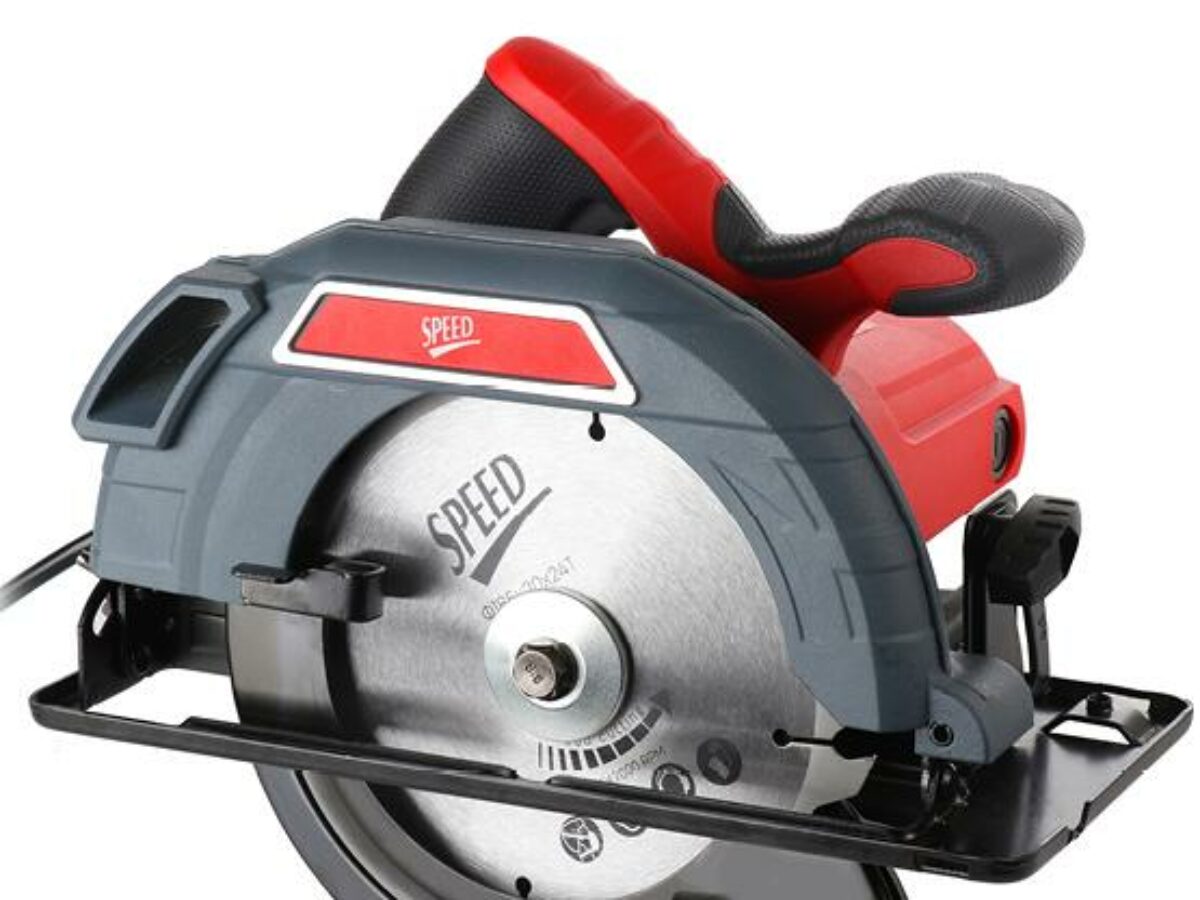
Cold saws operate at low revolutions per minute (RPM), typically spinning between 20 and 150 RPM — with a recommended sweet spot around 120 RPM. This deliberate pace is what keeps temperatures down and precision up.
Chop saws, on the other hand, run at dramatically higher speeds — often surpassing 3,000 RPM. That speed enables rapid cutting, but it also introduces substantial friction and heat.
The slower operating speed of cold saws provides operators with greater control, enabling precise parameter adjustments and consistently accurate results across every cut.
Heat Generation
One of the most significant differences between these two tools is how much heat they produce. Cold saws earn their name by keeping thermal output minimal during operation. The slow cutting action combined with efficient chip removal keeps temperatures consistently low from start to finish.
Chop saws generate significant heat through their abrasive cutting process. Sparks fly during operation, and the finished edges typically require a cool-down period before handling. This heat can alter material properties and produce rough, uneven edges that need additional work.
Post-cut finishing like deburring, edge treatment, or cooling time is common with hot cuts. Cold cutting skips these extra steps entirely, boosting overall efficiency — even at slower blade speeds.
Each Saw's Level of Precision
Cold saws excel at producing straight, square cuts with tight tolerances. The controlled cutting action and rigid blade construction maintain consistency and accuracy throughout every pass.
Chop saws trade some precision for speed and versatility. Blade deflection, vibration, and thermal expansion can all affect cut accuracy. While perfectly adequate for many general applications, chop saws may fall short when precision metalwork or tight-tolerance projects are on the agenda.
When cuts absolutely must fit together perfectly with minimal finishing required, cold saws consistently deliver the accuracy that professional metalworking demands.
Produce Clean, Smooth Surfaces
Cold saws produce smooth, burr-free cuts that often require no additional finishing. The controlled cutting action leaves surfaces ready for welding, machining, or direct assembly right off the saw.
Chop saw cuts tend to come out rougher, frequently showing visible grinding marks and heat-affected zones. These surfaces typically need deburring, grinding, or other finishing operations before they're usable — adding both time and cost to every project.
For professional applications where surface quality and appearance matter, cold cutting eliminates the need for secondary operations while guaranteeing consistent quality across all cuts. This reliability is indispensable when precision and presentation count.
How to Sharpen the Blades

Blade maintenance varies quite a bit between these two cutting systems. Cold saw blades can be resharpened multiple times before they need to be replaced. Professional sharpening services restore the original cutting geometry by precisely grinding each tooth back to factory specifications.
Chop saw blades, due to their abrasive composition, generally need full replacement rather than sharpening. The grinding action steadily wears away the cutting surface until a new blade is the only option.
Choose the Right Blades for Your Projects
Your cutting tool selection has a real impact on project success, operating costs, and overall productivity. Understanding the differences between cold saws and chop saws makes it easier to pick the right tool for the job. While chop saws offer versatility and a lower entry price, cold saws deliver superior precision, cleaner finishes, and better long-term value for serious metalworking applications.
Whether you're cutting aluminum, steel, or specialty alloys, the right blade selection ensures optimal results for your specific needs. Invest in quality cutting performance and watch the difference it makes across every project.
Explore more tool guides, equipment reviews, and project tips at BACKYARD PROVIDER.