

 As the beating heart of any e-bike, the battery is the single component that sets real limits on range, torque, and long-term dependability. Among the many setups on the market today, the 48V e-bike battery has climbed to the top of the conversation. If you are weighing whether to commit to a 48V system for your next ride, this guide breaks it down in full detail.
What Is A 48V E-Bike Battery?
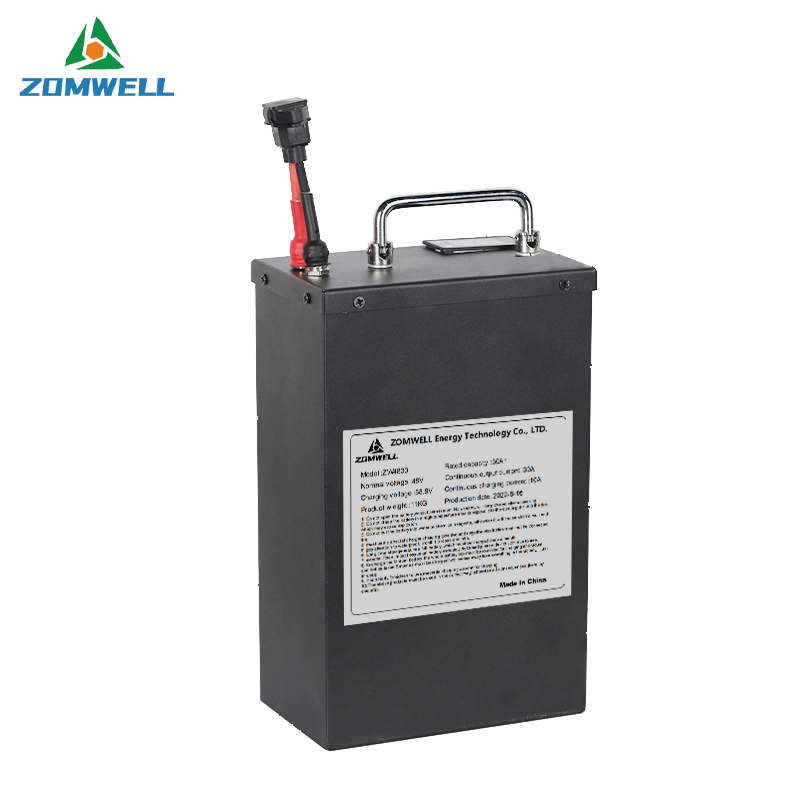
A 48V e-bike battery is a rechargeable power pack engineered to deliver 48 volts to the motor and its control system. These batteries are typically made from lithium-ion (Li-ion) or lithium iron phosphate (LiFePO4) cells, with capacities that usually land between 10Ah and 30Ah. Depending on how the cells are arranged, a 48V pack can deliver stronger acceleration, steadier climbing capability, and a longer lifespan than lower-voltage alternatives.
From a technical point of view, a Battery Management System (BMS) is almost always built into the pack to guard against overcharging, deep discharge, or short circuits. The chemistry of a 48V cell also gives higher energy density, meaning more runtime for every charge. These packs generally work with 2A to 5A chargers and can significantly reduce top-up time compared to traditional setups. Against the more common 36V e-bike battery, a 48V unit offers a noticeable step up in torque and efficiency, making it a compelling pick for riders who want more than simple city commuting.
Key Advantages Of 48V Batteries
The growing popularity of 48V systems is no coincidence. They strike a balance of engineering benefits and practical performance that genuinely appeals to a wide range of riders.
Power And Performance
Higher voltage translates into quicker torque delivery and a stronger ability to hold speed. While a standard 36V battery may top out near 20 mph, a 48V pack paired with solid pedal support can comfortably push 28 mph. This makes it particularly welcome on steep inclines, rough paths, or heavy-load uses like cargo bikes.
Extended Range
Voltage efficiency lets a 48V pack squeeze more miles from every charge. A 15Ah unit may deliver 40 to 60 miles, while a 20Ah variant can stretch this to 60 to 80 miles under reasonable riding conditions. The gap becomes especially clear when you compare long commutes or countryside trips where lower-voltage packs tend to fade fast.
Efficiency And Longevity
Because a 48V system provides the same output at a lower current, heat generation is cut back, mechanical strain is reduced, and wires and connectors see less wear. This also protects battery life. A good-quality 48V lithium pack, when maintained well, can deliver 500 to 2000 charge cycles, or roughly 3 to 5 years of steady service.
Versatility Across Uses
Unlike more specialized 52V or 72V packs, which often target high-performance or motorcycle-class e-bikes, 48V batteries work in a balanced middle zone. They match well with city commuters, mountain bikes, folding bikes, and heavy-duty cargo setups, making them among the most adaptable voltage formats on the market.
 Limitations And Trade-Offs
For all their strengths, 48V e-bike batteries are not the right answer in every situation. Knowing the trade-offs is key to making a smart investment.
Cost Considerations
On average, a 48V pack runs between $500 and $700, compared to the $300 to $400 you might pay for a 36V unit of similar capacity. Large 21Ah or 22Ah packs can climb well past that figure. Although lithium and sodium-based chemistries improve cost efficiency over time, the up-front price remains a real barrier for budget-minded buyers.
Weight And Portability
Higher capacity also means more mass. A 20Ah 48V pack can weigh significantly more than its 36V counterpart, which may cause inconvenience for riders who regularly remove or transport the battery, particularly those who use folding frames.
Compatibility Requirements
Not every motor or controller is designed to accept a 48V input. Trying to pair a 48V unit with a 36V-specific system risks damage to electronic components. Always verify compatibility before switching.
Safety And Quality Risks
The market has experienced a wave of low-cost, uncertified 48V packs, particularly from uncertified online vendors. Inferior cells can bring about voltage imbalance, shrinking lifespan, and sometimes real safety concerns. To dodge this, stick to reputable brands such as Samsung, LG, or TST EBike, and look for UL or CE certification.
Who Benefits Most From 48V Batteries?
Not every rider requires a 48V system, but for those with heavier demands, it can be a game changer.
- Urban Commuters For daily rides under 10 miles on flat ground, a 36V battery is often the smarter pick.
- Hilly Or Mixed-Terrain Riders If your route includes steep climbs or shifting ground, the added torque from a 48V system provides real, noticeable ease.
- Long-Distance Commuters Riders covering 40+ miles per charge will see a meaningful step up in both range and charging frequency.
- Cargo And Utility Riders For delivery services and heavy loads, the extra efficiency and power of a 48V build pay for their reliability well before the midpoint of their service life.
- Performance Enthusiasts While not as aggressive as 52V packs, 48V batteries still hit the sweet spot for riders who want a blend of acceleration, steady output, and all-weather durability.
Real-world use backs up these points. Commuters have shared that a 48V 20Ah pack can handle an 11-mile round trip with two full charge cycles still to spare, while riders stepping up from a 36V setup have noticed a clear gain of about 14% to 20Ah 48V once they discount a measurable range loss of close to 40%. In short, no compatibility issues once paired with the right controller.
Ready To Ride With A Proven 48V Build?
Pair everything you just learned with a real-world, rider-tested 48V e-bike built for all-terrain use and daily dependability.
Shop ENGWE M20 48V E-BikeConclusion: Are 48V E-Bike Batteries Worth It?
For most riders chasing a smart balance of power, range, and long-term efficiency, the 48V e-bike battery is clearly worth the upgrade. It brings stronger torque, longer reach, and superior durability compared to 36V setups, without stretching the price or specifications of 52V or 72V systems. That said, the choice should always come down to context. If your primary use is short urban commuting, limited climbing, and tight budgets, a 36V pack will usually be all you require. But if you value extended range, heavier climbing capacity, and dependable long-term service, a 48V battery stands for the most practical and adaptable upgrade currently on the shelf.
In short, a 48V e-bike battery is less about flash and more about steady, meaningful gains in riding experience when matched with the right needs and gear.
Take The Next Step
Skip the guesswork. The ENGWE M20 pairs a 48V 13Ah/26Ah system with 750W all-terrain capability for a ride that just works.
Get The ENGWE M20