

Why Would You Want Suspension on Your E-Bike?
If you have been shopping for an electric bike recently, you have probably noticed that some models come equipped with suspension while others do not. It is a fair question to ask whether that suspension fork is truly necessary or just a nice add-on that inflates the price tag. The answer, like most things in cycling, depends entirely on how and where you plan to ride.
With nearly two decades of experience in the bike and e-bike space, we can tell you that suspension serves some very real and practical purposes. It is not just about looking rugged or trail-ready. There are genuine comfort and performance benefits that riders of all types can appreciate. Let us walk you through exactly what suspension does, when you need it, and when you might be perfectly fine without it.
Quick Tip: Before deciding on suspension, think about the terrain you ride most. Smooth city streets and paved paths may not require it, but once gravel, potholes, or trails enter the equation, suspension changes everything.
What Does Front Suspension Actually Do?
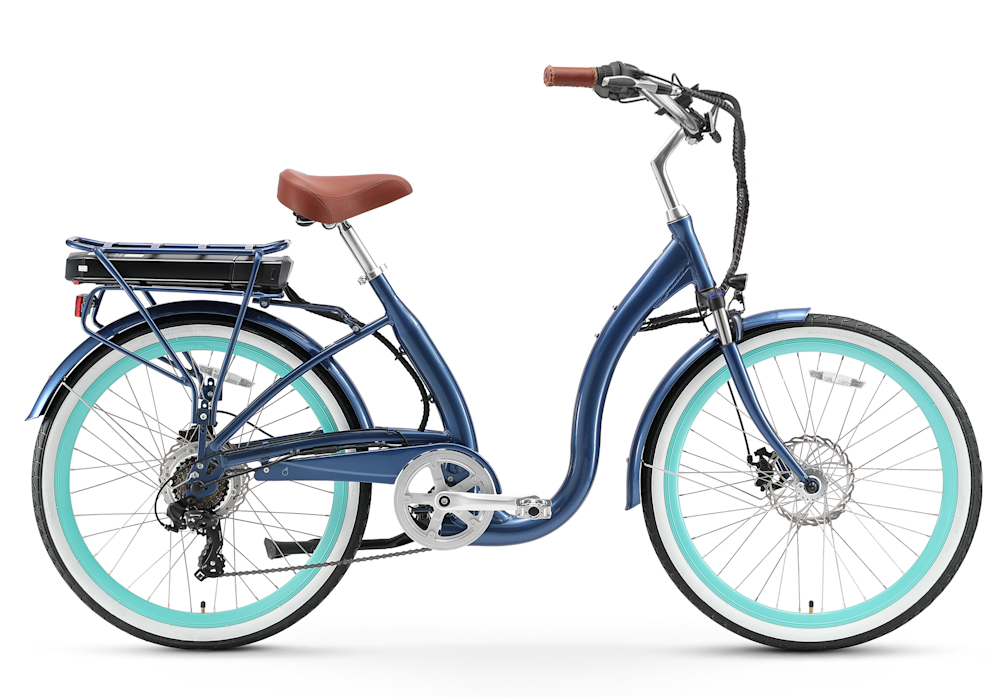
A front suspension fork is designed to absorb the impact of bumps, cracks, roots, and uneven surfaces before those vibrations travel up through the handlebars and into your arms, shoulders, and back. Essentially, it acts as a shock absorber between the front wheel and the rest of the bike. When you roll over a bump, the fork compresses and then rebounds, smoothing out the ride so your body does not take the full brunt of every imperfection on the road or trail.
This makes the overall riding experience significantly cushier and more forgiving. For anyone who has ever ridden a rigid-fork bike over a pothole-riddled street or down a gravel path, you know exactly what we mean. Every single bump rattles through your hands and wrists, and after a while, it takes a toll on your comfort and endurance.
When Is Suspension a Must-Have?
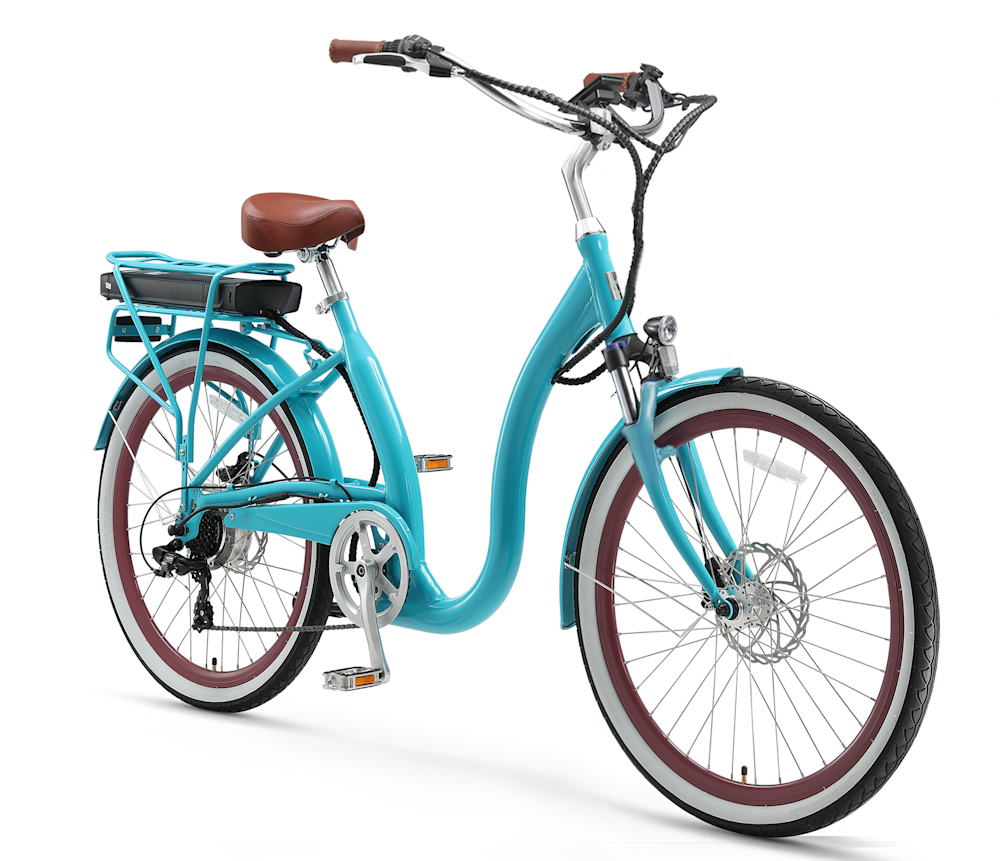
If you are someone who enjoys mountain biking, trail riding, or even just commuting on roads that are far from perfect, suspension is essentially a must. Rough terrain puts enormous stress on both the bike and the rider. Without a suspension fork to absorb those impacts, you are relying entirely on your arms and core to dampen every jolt. That leads to fatigue much faster and makes longer rides considerably less enjoyable.
Even for casual riders who stick mostly to suburban neighborhoods, suspension is a welcome feature whenever the pavement is cracked, sidewalks are uneven, or you occasionally venture onto a gravel or dirt path. The bottom line is that if your riding surface is anything less than perfectly smooth asphalt, front suspension will make a noticeable difference in how comfortable and enjoyable each ride feels.
Is There a Downside to Suspension?
There is a small trade-off to consider. Because the suspension fork compresses and rebounds as it works, it absorbs a tiny amount of the energy that would otherwise go directly into propelling you forward. On perfectly smooth, flat pavement, a rigid fork can feel slightly more efficient and responsive since none of your pedaling energy is lost to the fork bouncing.
That said, the difference in efficiency is minimal for most riders, and many modern suspension forks come with a lockout feature. This lockout allows you to essentially turn the suspension off, making the fork behave like a rigid one when you are on smooth ground. Then, when the terrain gets rough, you simply unlock it and let the suspension do its job. It really does give you the best of both worlds, which is why we recommend looking for a model that includes this option.

ENGWE L20 48V/13Ah 750W Electric Bike
Powerful motor, long-range battery, and built for comfort on any terrain.
ENGWE L20 E-BikeThe Lockout Feature: Why It Matters
One thing worth highlighting is the lockout mechanism that many quality suspension forks include. When you engage the lockout, the fork becomes rigid, meaning it will not compress when you hit a bump. This is ideal for riding on smooth surfaces where you want maximum pedaling efficiency. When you disengage it, the fork returns to its normal suspension mode and starts absorbing bumps again.
This versatility is a game-changer because it eliminates the biggest argument against suspension. You no longer have to choose between a comfortable ride on rough terrain and an efficient ride on smooth roads. With a lockout-equipped fork, you get both capabilities built into a single bike. It is the kind of feature that, once you have it, you will wonder how you ever rode without it.
So, Do You Really Need It?
The honest answer is that for many riders, front suspension is not strictly necessary, but it is almost always a welcome addition. If your e-bike comes equipped with it, there is absolutely no reason not to take advantage of it. And if you are choosing between two models and one offers suspension, it is well worth considering, especially if your riding involves anything beyond perfectly smooth pavement.
For trail riders and mountain biking enthusiasts, suspension is not optional. It is essential for safety, comfort, and overall ride quality. For city and suburban riders, it falls more into the nice-to-have category, but once you experience the difference it makes on even a slightly bumpy road, you will appreciate having it.
At the end of the day, prioritize what matters most to you as a rider. Think about the terrain you encounter most often, how long your rides typically last, and how much comfort matters to you. Suspension is one of those features that does not seem critical until you have it, and then you never want to go back.

Ready to Ride?
Explore our collection of electric bikes built for comfort, power, and every type of terrain. If you have any questions, our team is always here to help you find the perfect ride.
ENGWE L20 E-Bike