

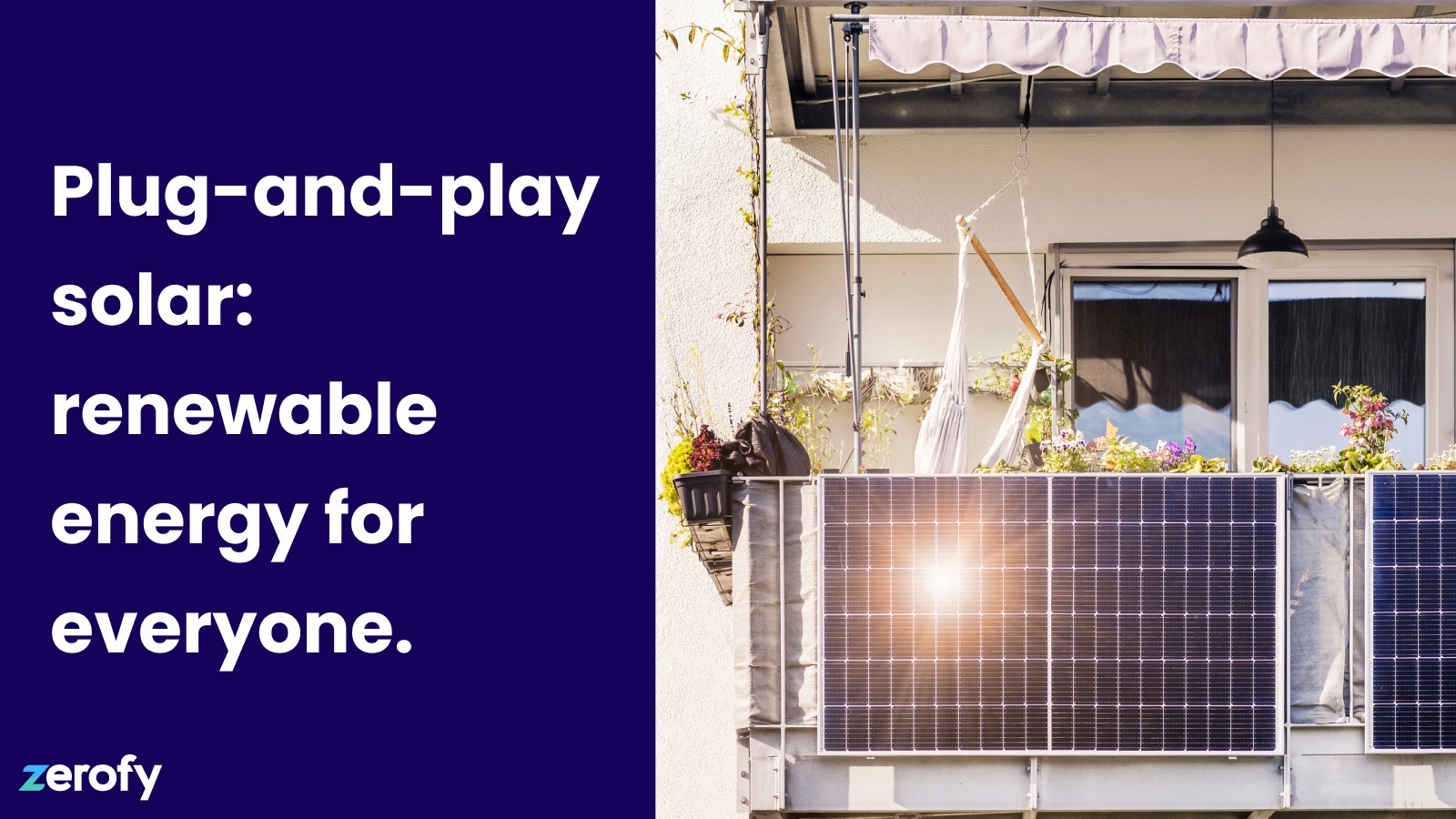
Why Consider a Mini Solar System?
In an era where environmental awareness and energy independence are becoming priorities for homeowners, plug-and-play solar systems have emerged as an accessible gateway to renewable energy. These compact, user-friendly systems eliminate the intimidation factor often associated with traditional solar installations.
Unlike conventional rooftop arrays requiring professional installation, permits, and significant upfront investment, these portable powerhouses offer a straightforward path to generating your own clean electricity. Simply position them, connect them, and start harvesting sunlight.
Understanding Plug-and-Play Solar Technology
Plug-and-play solar systems represent the most streamlined approach to residential solar power. These self-contained units combine photovoltaic panels, inverters, and mounting hardware into cohesive packages designed for immediate deployment without specialized knowledge.
Key Advantage: These systems are specifically engineered for renters, apartment dwellers, and homeowners who want solar benefits without permanent modifications or complex permitting processes.
The technology operates on a simple principle: solar panels capture sunlight and convert it to direct current (DC) electricity. An integrated micro-inverter transforms this into alternating current (AC) that flows directly into your home through a standard outlet, offsetting grid consumption in real-time.
Compelling Benefits of Going Plug-and-Play
The appeal of these systems extends far beyond convenience. Here's why thousands of homeowners are embracing this approach to solar energy:
Immediate Cost Reduction
Start seeing savings on your electricity bills from day one. The energy your system generates directly reduces what you draw from the utility company.
True Portability
Moving to a new residence? Your solar investment moves with you. No costly removal, no abandoning equipment attached to your roof.
Zero Installation Hassle
Forget scheduling contractors, pulling permits, or dealing with HOA approvals. Most systems are operational within an hour of unboxing.
Environmental Impact
Every kilowatt-hour generated means less fossil fuel burned. Small-scale solar collectively makes a significant difference for our planet.
Selecting the Right System for Your Needs
Choosing an appropriate plug-and-play solar system requires evaluating several critical factors that will determine your satisfaction and return on investment:
Panel Capacity Matters: Consider your baseline energy consumption and what portion you realistically want to offset. Systems typically range from 300W for modest supplementation to 800W+ for more substantial energy production. Assess your average electricity usage before deciding on system size.
Inverter Quality: The inverter is the heart of any solar system. Premium micro-inverters not only convert power more efficiently but also include crucial safety features like automatic grid disconnection during outages. Never compromise on inverter quality.
Available Space Assessment: Evaluate your balcony, patio, or yard space. Some systems are designed for vertical mounting on railings, while others require flat surfaces. Ensure adequate sun exposure throughout the day—even partial shading significantly impacts output.
Warranty and Support: Reputable manufacturers stand behind their products with comprehensive warranties covering both panels and inverters. Prioritize brands with established customer service records and readily available replacement parts.
Setup Guide: From Box to Power Generation
Getting your system operational follows a straightforward process that most people complete in under an hour:
Unpack and Verify Components
Carefully remove all components and cross-reference with the included inventory list. Inspect panels for any shipping damage before proceeding.
Position for Maximum Exposure
Place panels where they'll receive direct sunlight for the greatest portion of the day. South-facing orientations typically yield optimal results in the northern hemisphere.
Secure the Mounting
Whether using balcony brackets, ground stands, or flat-surface mounts, ensure panels are stable and won't shift in wind. Proper anchoring prevents damage and maintains optimal angle.
Connect and Energize
Plug the system into any standard household outlet. The integrated inverter handles all power conversion automatically. Many systems include monitoring apps to track generation in real-time.
Maximizing Your Solar Investment
Strategic usage patterns and complementary technologies can significantly enhance the value you extract from your plug-and-play system:
Energy Management Integration
Home energy management systems can automatically schedule high-consumption appliances—dishwashers, washing machines, EV charging—to coincide with peak solar production. This ensures maximum self-consumption of generated power rather than exporting it to the grid at unfavorable rates.
Smart Plug Utilization
Intelligent plugs allow you to redirect solar output to specific devices based on real-time generation data. When production exceeds immediate needs, these systems can automatically divert power to heating water, charging batteries, or running climate control.
Battery Storage Pairing
Adding a compatible battery storage unit transforms your system into a true energy independence solution. Excess daytime generation charges the battery, providing clean power during evening hours or cloudy periods when panels aren't producing.
Maintenance for Longevity
One of the greatest advantages of solar technology is its minimal maintenance requirements. However, a few simple practices will ensure peak performance throughout your system's lifespan:
Regular Cleaning: Dust, pollen, and debris accumulate on panel surfaces, reducing efficiency. A gentle rinse with water every few months—or after storms—keeps surfaces clear. Avoid abrasive materials that could scratch the protective coating.
Connection Inspection: Periodically check all cable connections and plugs for signs of wear, corrosion, or loosening. Secure connections ensure safe operation and optimal power transmission.
Performance Monitoring: Most modern systems include apps that track daily, weekly, and monthly generation. Significant unexplained drops in output may indicate issues requiring attention, from simple shading problems to component concerns.
Understanding Costs and Savings
The financial equation for plug-and-play solar has never been more favorable. Initial system costs have declined dramatically while utility rates continue rising, shortening payback periods considerably.
| Factor | Typical Range |
|---|---|
| System Cost (400-800W) | $400 - $1,200 |
| Annual Energy Savings | $100 - $300 |
| Typical Payback Period | 3 - 6 Years |
| Expected Lifespan | 20 - 25 Years |
Regional incentives, tax credits, and utility rebate programs can further improve the economics. Many jurisdictions now offer specific incentives for small-scale residential solar adoption—research local programs before purchasing.
Regulatory Considerations
While plug-and-play systems are designed for easy deployment, understanding your local regulatory environment ensures compliance and optimal system configuration:
Most regions allow systems under certain wattage thresholds without permits or grid notification. However, requirements vary significantly—some utilities mandate registration even for small systems, while others have specific technical requirements for grid-connected equipment.
If you're renting, verify your lease permits solar installations. Many landlords are increasingly supportive given the property doesn't require modification, but written approval prevents future disputes.
Frequently Asked Questions
How much electricity can a plug-and-play system realistically generate?
Output depends on panel wattage, geographic location, and sun exposure. A well-positioned 600W system in a sunny region can generate 700-900 kWh annually—enough to power several major appliances year-round.
Are these systems safe to use with standard home electrical systems?
Yes. Quality plug-and-play systems include UL-certified inverters with built-in safety features including ground fault protection, automatic grid disconnection, and surge protection. They're designed specifically for standard residential electrical systems.
What happens during power outages?
Grid-tied plug-and-play systems automatically shut down during outages for safety reasons—this prevents feeding power into lines workers may be repairing. Systems with battery backup can provide limited off-grid capability.
Can I expand my system later?
Many manufacturers design systems for modularity. Additional panels can often be added to increase capacity, though total output may be limited by your circuit capacity or local regulations.
Ready to Start Your Solar Journey?
Take the first step toward energy independence with the EcoFlow STREAM Ultra—designed for effortless setup and maximum performance.
EcoFlow STREAM UltraPlug-and-play solar represents the democratization of renewable energy. Whether you're a renter, homeowner, or simply curious about sustainable living, these systems offer an accessible entry point to generating your own clean electricity. The technology is proven, the economics are favorable, and the environmental benefits are undeniable.