

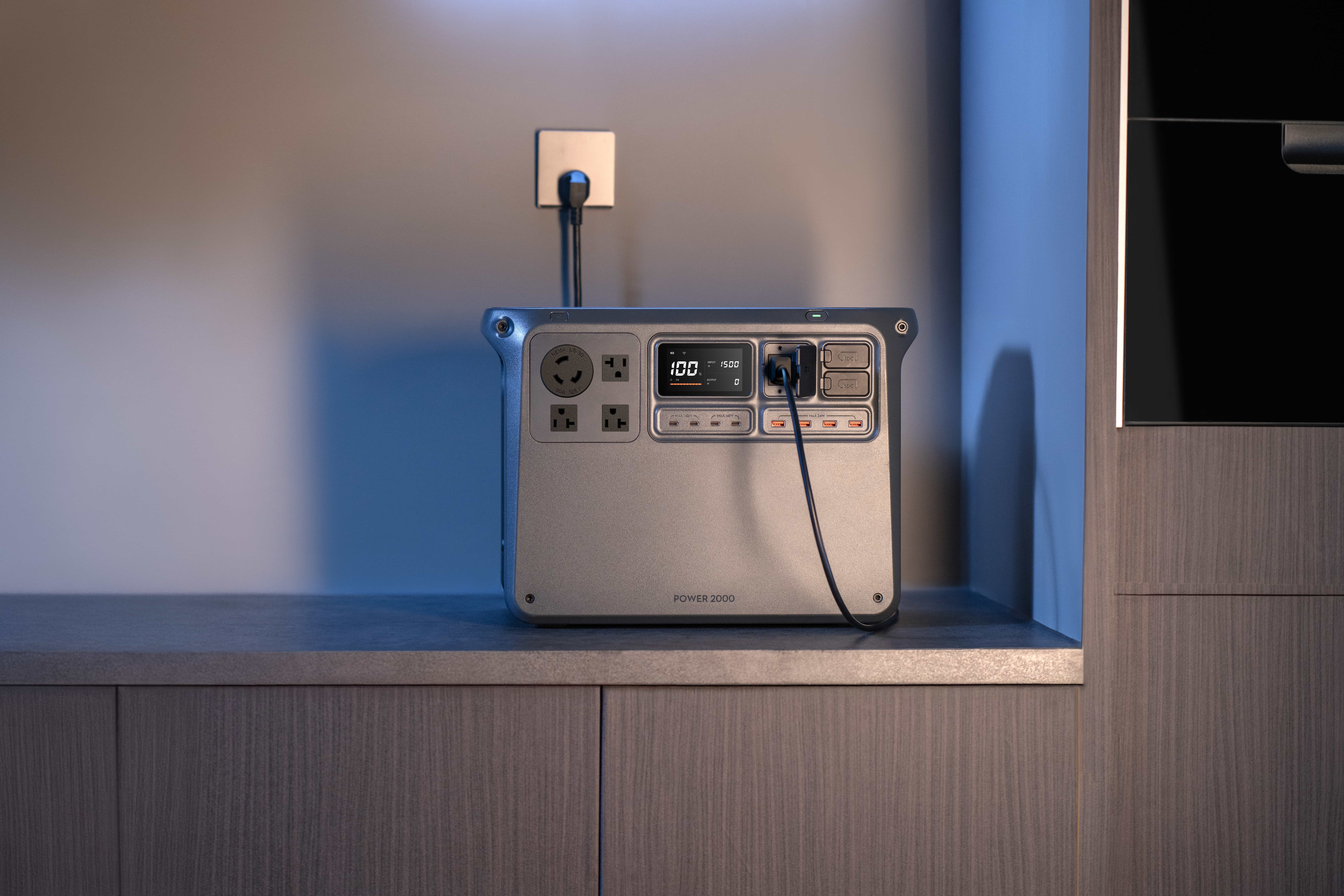
Solar generators have become a go-to solution for homeowners who want dependable backup power, cleaner off-grid energy, and a reliable way to keep essentials running during outages. But getting the most out of any solar generator comes down to two things: how long its battery lasts and how efficiently it charges. With the right habits and a well-matched system, you can stretch every kilowatt-hour further and keep your unit performing at its peak for years to come.
Types of Batteries Commonly Used
Most modern solar generators rely on one of two battery chemistries. Each comes with its own strengths, trade-offs, and ideal use cases.
| Battery Type | Lifespan | Best Suited For |
|---|---|---|
| Lithium Iron Phosphate (LiFePO4) | 3,000–6,500 cycles | Long-term backup, home use, frequent cycling |
| Lithium-ion (NMC) | 500–1,500 cycles | Portable setups, lighter travel-friendly units |
| Sealed Lead-Acid (SLA) | 300–700 cycles | Older or budget-friendly systems |
LiFePO4 has quickly become the preferred chemistry for premium solar generators thanks to its extended cycle life, thermal stability, and safer chemistry overall.
Factors That Affect Battery Life and Charging Efficiency
Battery performance is rarely determined by one single thing. It's a combination of how the battery is used, where it's stored, and how it's charged. Understanding these factors makes it easier to protect your investment.
Usage Cycles and Discharge Depth
Every time a battery charges and discharges, it completes one cycle. Discharging the battery too deeply, too often, accelerates wear. Staying within a moderate discharge range preserves capacity over the long haul.
Temperature Conditions
Extreme heat and extreme cold both reduce efficiency. High temperatures speed up chemical degradation, while cold environments can cause sluggish charging and lower usable capacity. Keeping the unit in a stable, moderate environment is one of the simplest ways to extend its life.
Charging Habits
Overcharging, letting the battery sit empty for long periods, or using mismatched chargers all shorten a battery's usable life. Using the charging method recommended by the manufacturer keeps cells balanced and healthy.
| Condition | Impact on Battery | Recommended Range |
|---|---|---|
| High Heat (above 40°C) | Faster chemical aging | Store below 30°C |
| Freezing Conditions | Reduced charging efficiency | Keep above 0°C |
| Deep Discharge | Shortened cycle count | Avoid dropping below 20% |
Quality of the Solar Panels
The panels feeding your generator matter just as much as the battery itself. High-efficiency panels deliver cleaner, more consistent power, which helps the battery charge smoothly without unnecessary strain.
Storage Conditions
A battery that sits unused for months in a garage or shed needs the right conditions. Ideally, store it partially charged, in a dry area, away from direct sun or temperature swings.
Best Practices to Extend Battery Life
A few consistent habits can dramatically increase the number of years your solar generator stays useful.
Avoid Deep Discharges
Try to recharge before the battery drops below 20%. Keeping charge levels in a healthier mid-range protects the cells and preserves total capacity.
Use the Right Charger
Stick to the manufacturer's recommended charger or solar input. Mismatched voltages or amperages can stress internal components and void your warranty.
Balance Your Cycles
A mix of shallow and moderate discharges is healthier than constant full cycles. Occasional full charges help recalibrate the battery management system.
Store It Properly
If you're not using the unit for a while, keep it at around 50–70% charge in a cool, dry place, and top it up every couple of months.
Pro tip: Firmware updates are often overlooked. Many newer solar generators improve charging logic and battery balancing through software updates, so check your app or manufacturer's site regularly.
Tips for Maximizing Charging Efficiency with Solar Panels
Solar input is only as good as the conditions you give it. A few small adjustments can make a noticeable difference in how quickly and cleanly your generator charges.
Position Panels Correctly
Angle your panels toward the sun and avoid partial shading. Even a small shaded corner can cut solar output significantly. Adjust seasonally if possible.
Keep Panels Clean
Dust, pollen, and bird droppings reduce efficiency more than people expect. A quick wipe-down every few weeks keeps output high and charging times short.
Match Panel Wattage Properly
Check the maximum solar input your generator supports. Using panels that exceed that limit won't speed up charging and may trigger protective throttling, while underpowered setups will simply take longer.
Use Shorter Cables
Longer cables mean more voltage drop. Stick with the cable lengths recommended by the manufacturer for the best transfer efficiency.
Avoid Charging in Extreme Heat
If your generator sits in direct sunlight for hours, internal temperatures can climb fast. Placing the unit in shade while the panels remain exposed gives you both strong solar input and cooler operating conditions.
Solar Generator Systems Designed for Efficiency
Not every solar generator is built the same. Higher-end systems are engineered to deliver longer battery life, faster charging, and smarter power management. Here are a few areas where quality really shows.
LiFePO4 Battery Cores
Premium systems rely on LiFePO4 cells to deliver thousands of cycles, stable output, and a longer usable lifespan. These cells are safer under heat stress and retain more of their capacity over time.
Benefits include:
- Significantly longer cycle life compared to older chemistries
- Better performance during high-output loads
- Improved safety and reduced risk of thermal issues
- Stable capacity even after heavy use
- Ideal performance for home backup scenarios
Smart Battery Management Systems
A good BMS is the unsung hero inside every serious solar generator. It regulates charging, prevents overloads, balances cells, and protects the battery from long-term damage.
What a quality BMS handles:
- Overcharge and over-discharge protection
- Cell balancing for even wear across the battery
- Real-time temperature monitoring
- Short-circuit detection and safe shutdown
- Intelligent load regulation during high usage
High-Efficiency Charging Pathways
Top-tier generators include advanced inverters, MPPT solar controllers, and optimized charging circuitry. These components minimize energy losses and help the battery reach full charge quickly and cleanly.
- MPPT controllers for maximum solar harvest
- High-efficiency pure sine wave inverters
- Multi-input charging (solar, AC, car port)
- Smart regulation to prevent overheating
- Fast charging without sacrificing longevity
Want to extend runtime even further? Adding a smart extra battery to your solar setup is one of the easiest ways to boost capacity, run bigger appliances, and prepare for longer outages without replacing your existing unit.
DELTA 3 Max Plus Extra BatterySmarter Charging, Longer Life
Getting the most out of a solar generator isn't about any single trick. It's about consistent habits: charging smart, storing right, keeping panels clean, and choosing a system built with quality cells and a reliable battery management setup. Do these things consistently, and your generator will reward you with years of dependable, efficient power whenever you need it.
FAQs
How long do solar generator batteries usually last?
It depends on the chemistry. LiFePO4 batteries can last 10 years or more with typical use, while older lithium-ion batteries often need replacing in 3 to 5 years.
Can I leave my solar generator plugged in all the time?
Most modern units handle this safely thanks to their BMS, but keeping the battery at 100% constantly can still shorten its lifespan. A cycle of charging and discharging keeps it healthier.
Does cold weather really hurt battery performance?
Yes. Extreme cold slows the chemical reactions inside the cells and reduces usable capacity. Charging at freezing temperatures can cause long-term damage on some chemistries.
Should I upgrade my solar panels to charge faster?
Only if your generator supports higher solar input. Check the maximum wattage and voltage range first, since exceeding it won't speed things up and may trigger protection mode.
Is it worth adding an extra battery to my setup?
If you need longer runtime for appliances, extended outages, or off-grid use, an expansion battery is one of the most cost-effective upgrades you can make.