


Demand for residential energy storage systems has never been higher. Rising electricity costs, growing climate awareness, and rapid advances in renewable technology are pushing homeowners toward energy independence. Paired with solar panels, modern battery storage systems reduce carbon footprints, slash utility bills, and keep the lights on when the grid goes down.
1. The Rise of Home Solar & Battery Systems
A home solar system with battery storage marries photovoltaic (PV) panels with an on-site battery bank — capturing the sun's energy when it's abundant and releasing it precisely when you need it. This pairing directly solves solar's biggest limitation: intermittency. Whether it's nighttime, a cloudy afternoon, or a grid failure, stored energy keeps your home powered seamlessly.
2. Key Components of Residential Energy Storage
Battery Technologies
- Lithium-Ion (Li-Ion): The dominant residential choice — high efficiency, long cycle life, and steadily falling prices make it the go-to for most households.
- Vanadium Flow Batteries: Emerging technology prized for exceptional longevity. Still niche for homes but gaining ground in larger installations.
- Flywheel & Thermal Storage: Specialized solutions for specific applications; residential flywheel systems remain a niche offering.
- Pumped Hydro: Effective at utility scale but impractical for the average residential property.

Inverters & System Integration
At the heart of every solar-battery setup is the household inverter — the device that converts direct current (DC) from panels and batteries into the alternating current (AC) your appliances use. Advanced hybrid inverters go further, intelligently managing the flow of energy between solar generation, battery storage, and grid connection. All-in-one systems bundle these functions into a single, streamlined unit for simpler installation and smarter energy management.
💡 Pro Tip: When evaluating an inverter, prioritize compatibility with your battery chemistry, round-trip efficiency ratings (aim for 90%+), and whether the unit supports whole-home backup or only select circuits.
3. The Real Benefits of Home Energy Storage
- Energy Independence: Break free from grid reliance. Generate and store your own electricity — and stop paying peak-hour utility rates.
- Significant Cost Savings: Solar battery costs vary by capacity, but long-term savings reliably offset the initial investment, especially as electricity rates climb.
- Whole-Home Resilience: When storms, wildfires, or infrastructure failures knock out the grid, your stored energy keeps essential systems running — refrigerators, medical equipment, lighting, and more.
- Reduced Carbon Footprint: Maximizing self-generated renewable energy means fewer kilowatt-hours pulled from fossil-fuel-heavy grid sources.
4. Cost Breakdown & Market Trends
The cost of a home solar battery storage system depends on three main factors: capacity (measured in kilowatt-hours), battery chemistry, and installation complexity. Here's a realistic picture of what to expect:
Most residential battery systems fall between $5,000 and $15,000 before installation. Premium all-in-one units with higher capacity sit at the upper end; entry-level or add-on batteries toward the lower end.
Lithium-ion prices continue to fall due to technology improvements and manufacturing scale. Analysts project nearly 50 GWh of new residential storage capacity to come online globally by 2025.
Older 2022-era systems still provide reliable service, but newer units offer meaningfully better round-trip efficiency, smarter energy management software, and longer warranty terms. The long-term savings case has never been stronger.
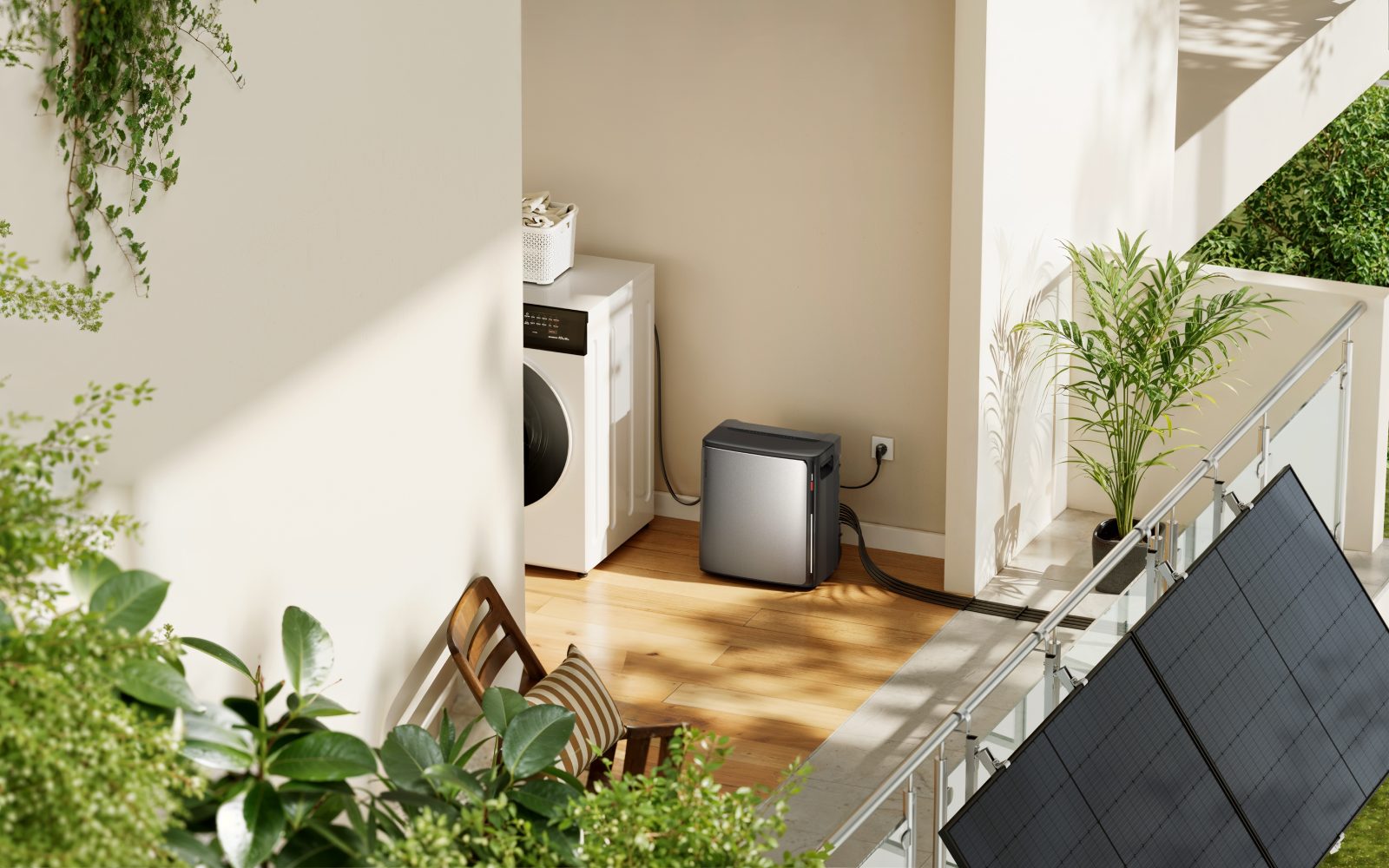
5. Installation & Configuration
A successful residential solar battery installation starts long before anyone picks up a drill. Proper system design requires an honest assessment of your energy needs, available roof or ground space, local permitting requirements, and utility interconnection rules.
- Whole-Home Turnkey Systems: Solar panels, inverter, and battery shipped and installed as one integrated solution — the simplest path to energy independence for new adopters.
- Retrofit Battery Addition: If you already have solar panels, a standalone battery unit can be added to your existing array — often with minimal disruption to the system.
- Monitoring & Optimization: Leading home energy storage platforms include dedicated apps that show real-time production, consumption, and battery state-of-charge data, letting you optimize usage patterns continuously.
🔧 Installation Note: Always work with a licensed electrician or certified solar installer. Proper sizing — matching battery capacity to your average daily consumption — is critical to maximizing both performance and payback period.
6. The Future of Residential Energy Storage
The trajectory of home energy storage is unambiguously upward. Several converging trends are set to transform what's possible for residential energy independence:
Ready to Power Your Home Independently?
The EcoFlow STREAM Ultra delivers industrial-grade home energy storage with whole-home backup capability — engineered for the demands of modern living.
EcoFlow STREAM Ultra