

Plugging a home battery directly into a wall socket sounds like the perfect solution — and it's easy to see why so many homeowners are attracted to the idea. A handful of manufacturers offer these devices for people who want to maximize the use of their solar energy while minimizing what they pay to the grid.
The concept is straightforward: the home battery comes with a plug, just like any other appliance. You insert it into a standard outlet and the system automatically senses surplus solar power via a monitoring device connected at the smart meter. This small communicator tells the battery when to absorb energy and when to release it back into your home. You can even track performance through a dedicated companion app.
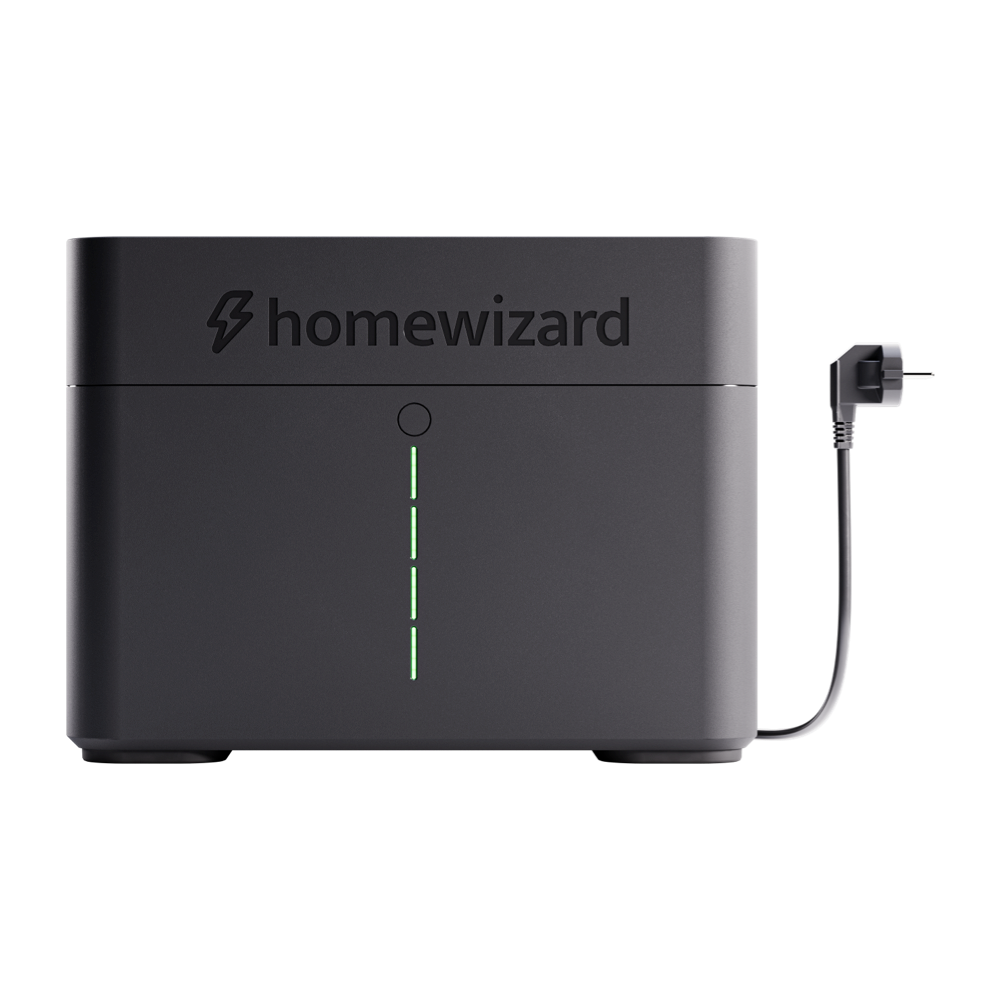
Limited Options to Consider
A plug-and-play battery is convenient, but convenience comes with trade-offs. Before committing to one of these devices, it's important to understand where the boundaries lie — because for many homes, they matter quite a bit.
Balcony Solar Panels

Beyond plug-and-play home batteries, there is another category worth knowing about: compact solar panels designed specifically for balconies or small outdoor spaces. These typically consist of one or two panels fitted with a built-in micro-inverter, allowing them to connect directly to a standard household socket.
This type of setup became quite popular in Germany among apartment dwellers who don't have rooftop access. The appeal is real — install a panel on your balcony railing, plug it in, and start generating your own electricity immediately.
Important to note: electrical codes in many regions have since restricted or tightened the rules around plugging generating units directly into final circuits. The concern is that other appliances on the same circuit may be affected. Always verify that your local electrical standards permit this configuration before purchasing.

Why a Single, Integrated System Works Better
At Backyard Provider, we believe strongly in the long-game approach to home energy. Rather than piecing together products from multiple brands and hoping they work well together, we recommend complete, professionally designed systems — products engineered to work as one cohesive unit from day one.
These are products that must safely manage the flow of electrical energy through your home for years — sometimes decades. Having a single trusted system means every component is optimized for every other, risk is reduced, and support is clear and accountable from the outset.
Electrical professionals have raised valid concerns about the rising currents running through older distribution boards, particularly as more connected devices enter modern homes. In a solar-plus-battery setup, the temptation to keep expanding with small additions can lead to overloaded circuits, overheating distribution boards, and potentially unsafe wiring conditions.
- All components — panels, inverter, battery, charger — communicate on a single platform, eliminating compatibility gaps between brands.
- Energy flow is optimized at the system level, meaning you recover more of what you generate rather than losing it to conversion inefficiency.
- If something goes wrong, responsibility is clear — you have one manufacturer, one warranty, and one support channel to work with.
- Professionally installed systems are grounded and wired to code, protecting your home's electrical infrastructure long-term.
Brand mixing also introduces subtle inefficiencies that accumulate over time. If your solar inverter is from one manufacturer, your EV charging station from another, and your battery from a third, the interaction between them is rarely optimal — and you leave real energy and money on the table every single day.
Ready to Power Your Home the Right Way?
We don't carry plug-and-play batteries or balcony panels. What we do carry are complete, professionally graded solar and battery systems — and the expertise to help you choose the right one. Reach out and we'll be happy to guide you.