

Selecting an engine that's too small leaves your equipment underpowered. Too large, and you're wasting money and space. This guide covers every factor that determines the right engine size for your application — from horsepower and displacement to physical footprint and weight restrictions.
Sizing an Engine for Your Project
In this guide, we'll focus on determining the right size engine for your next project, taking into account the different factors that impact the decision. Along the way, we'll walk you through practical resources and tools to help narrow down exactly what you're looking for — so you buy with confidence the first time.
While this guide focuses specifically on engine size, it's worth noting that size is just one of many considerations when purchasing an industrial engine. Power source, fuel type, mounting configuration, and environmental conditions all play important roles in the final decision as well.
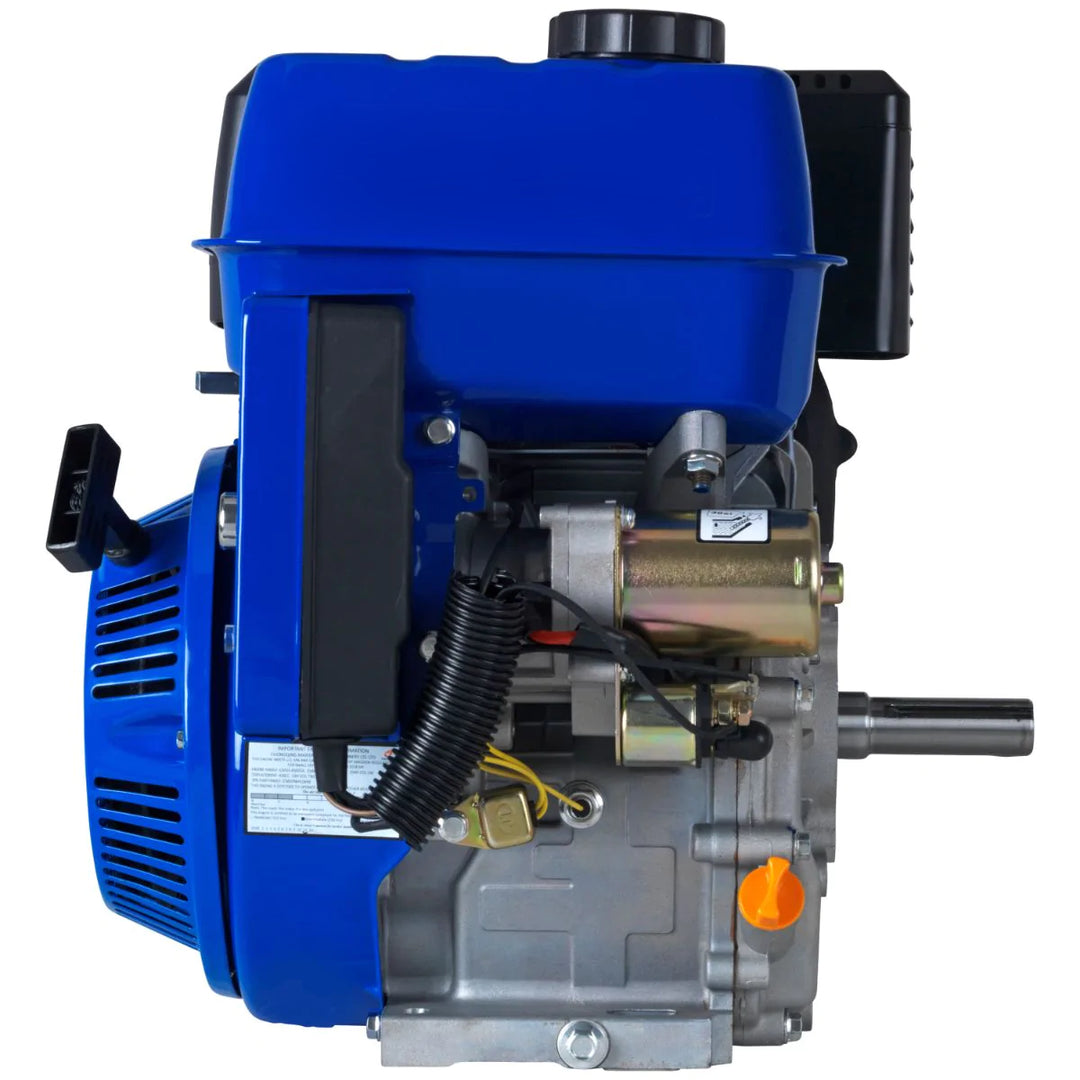
Industrial engine size comparison — from compact small-equipment engines to large-displacement power plants
Why Does Engine Size Matter?
When discussing engine specifications, "size" primarily refers to the power output an engine is capable of producing. In practical terms, the most important measure of engine size is the amount of horsepower (HP) it delivers. This single number will determine the type of equipment and machinery the engine is capable of reliably powering.
Because horsepower is a direct measurement of your engine's power output, it is the most critical specification in the sizing process. An engine that doesn't produce sufficient horsepower for your application will fail to power it properly — leading to overheating, premature wear, poor performance, and shortened service life.
"Choosing the right engine size means matching power output to application demand — not too little to underperform, not so much that you're paying for capacity you'll never use."
When selecting your engine, the goal is straightforward: ensure it is capable of producing the necessary power for your equipment without being significantly over- or under-powered for the intended application. Both extremes carry real costs — in efficiency, in reliability, and in total operating expense over the engine's life.
How to Find the Right Size Engine
The size of engine your application requires will depend entirely on the specifications of the machinery it will be powering. Equipment that demands a large amount of power to function properly will require a larger engine capable of producing significantly more horsepower. There is no universal answer — every application has its own requirements.
Industrial engines span an enormous range of sizes. A heavy-duty engine used for power-intensive oil and gas production might produce upward of 2,500 horsepower and measure nearly ten feet in length. By contrast, engines designed for smaller facilities or construction equipment might produce 140 horsepower and fit within a three-to-four foot footprint. The range is vast, which is exactly why proper sizing is so important.
Determining Your Horsepower Requirements
To determine the horsepower your application needs, start by reviewing your machinery's official specifications for its listed power requirements. If you no longer have access to the original documentation, contact the equipment manufacturer directly — they can provide exact power requirement figures. Alternatively, a qualified power systems expert can assess your machinery and determine the precise horsepower needed to operate it reliably.
For generator applications specifically, a reliable rule of thumb is that approximately 2 horsepower is required to produce every 1 kilowatt (kW) of electrical output. So if your generator needs to produce 4,000 watts — or 4 kilowatts — you'll need a minimum of 8 horsepower from the engine driving it. This ratio should be treated as a minimum baseline, not an upper limit.
If you're ever uncertain about your exact power requirements, consulting with a power systems expert before purchasing is always the wisest approach. The cost of expert advice is far lower than the cost of purchasing and installing the wrong engine for your project.
Considering Space Restrictions
Beyond power requirements, you may also be working within strict physical constraints on the space your engine can occupy. High-horsepower industrial engines are substantial pieces of equipment — and the space required to house, ventilate, and service them is significant. If your power needs call for a large engine but your available space is limited, you may need to explore facility modifications or alternative mounting arrangements.
It's also important to recognize that engines of similar horsepower ratings can vary meaningfully in their physical dimensions depending on the manufacturer, configuration, and design generation. When comparing engines for your project, always request the exact dimensional specifications — length, width, and height — to confirm the unit will physically fit your installation space before you commit to a purchase.
Check Before You Buy
Always request full dimensional specifications — length, width, height, and weight — from your dealer before purchasing. Dimensions can vary significantly between engines in the same horsepower class.
Weight Restrictions
If your installation site has floor load limits, structural weight constraints, or transport weight restrictions, research the engine's shipping and operating weight early in the selection process.
If the machinery will be installed in any area with weight restrictions — whether structural floor limits, transport constraints, or site regulations — research the engine's operating weight thoroughly before purchase. Heavy industrial engines can place considerable demands on the structures and surfaces that support them.
Work with a trusted dealer: Reputable industrial engine dealers can help you right-size your engine to your space constraints. Standard inspection practices include verifying length, width, height, and weight — along with detailed capability specs. Don't hesitate to request full dimensional data on any engine before proceeding with a purchase.
Key Factors When Sizing Your Engine
Before finalizing any industrial engine purchase, work through this checklist to confirm you've addressed every sizing consideration that could impact your project's success.
- Identify the exact horsepower requirement from your machinery's official specifications or manufacturer documentation.
- For generator applications, apply the 2 HP per 1 kW rule of thumb as a minimum baseline for engine sizing.
- Measure the physical space available for the engine installation — length, width, and clearance height.
- Request full dimensional specs (L × W × H) from your dealer to confirm the engine will fit your allotted space.
- Check any weight restrictions at the installation site and verify the engine's operating weight against those limits.
- Consult with a power systems expert if you are unsure about any aspect of your power requirements or engine sizing.
- Compare multiple engine options within the required HP range — different designs within the same class can vary significantly in footprint and weight.
A Right-Sized Engine for Serious Applications
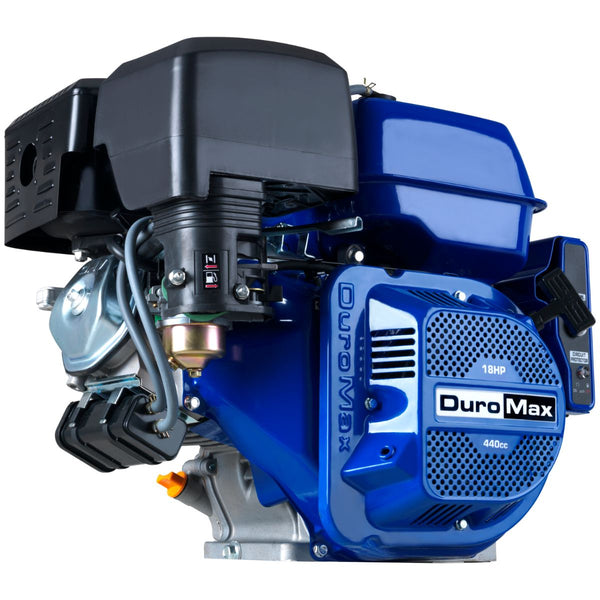
If your project calls for a high-output, multi-purpose horizontal shaft engine with the reliability to match demanding workloads, the DuroMax XP35HPE delivers 999cc of proven 4-stroke power with push-button electric start — built for applications that require consistent torque over extended operating periods.
DuroMax 999cc Horizontal Shaft Engine — multi-purpose, electric start, 35 HP-class output for serious equipment.
DuroMax XP35HPESelecting the right engine is one of the most important decisions you'll make for any power equipment project. Take the time to verify your horsepower requirements, confirm your physical space constraints, and consult with a knowledgeable dealer before committing. The right engine — properly sized and correctly installed — will deliver years of dependable service with minimal unplanned downtime.