

Whether you are a seasoned outdoor equipment operator, an aspiring mechanic, or simply curious about the technology powering your tools — this guide breaks down exactly how small engines operate. Understanding the mechanics behind your lawn mower, generator, or pressure washer helps you get more from your equipment, spot problems early, and make smarter buying decisions.
Small engines are the workhorses of outdoor and portable power equipment. They convert fuel into mechanical energy through a carefully sequenced process of internal combustion — the same fundamental principle that drives larger automotive engines, scaled down for compact, high-efficiency applications. From walk-behind mowers to portable generators, these engines are built to start reliably, run efficiently, and deliver consistent performance in demanding conditions.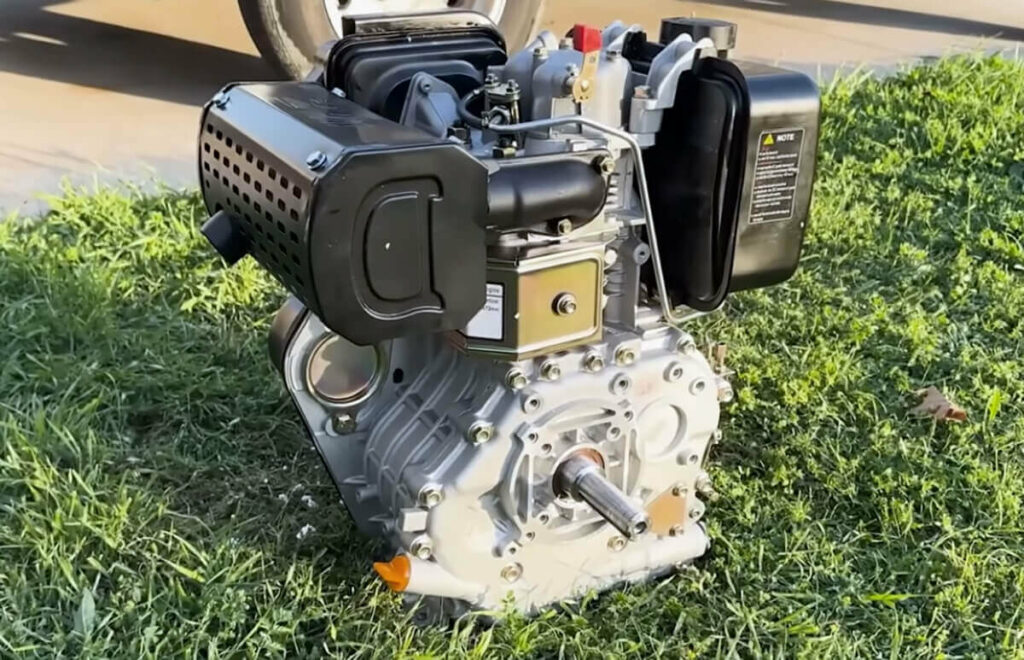
To understand how a small engine functions, it helps to start with the basic principle of internal combustion. At its core, internal combustion is the conversion of chemical energy in fuel into mechanical energy — specifically, rotational force that drives a crankshaft and, through it, your equipment.
The engine works by drawing in a mixture of fuel and air into a sealed cylinder. A moving part called the piston compresses this mixture. Then the spark plug fires, igniting the compressed fuel-air charge. The resulting explosion pushes the piston downward with tremendous force, generating the torque that turns the crankshaft and drives the blade, wheel, or generator head attached to the machine.
This process — compression, combustion, and exhaust — happens hundreds or even thousands of times per minute, keeping the engine running smoothly. Imagine the mechanism like a balloon being rapidly inflated and released: it's the sudden build-up of pressure that provides all of the power. In small engines, this cycle is carefully controlled and repeated continuously to deliver reliable, on-demand performance for portable tools and outdoor equipment.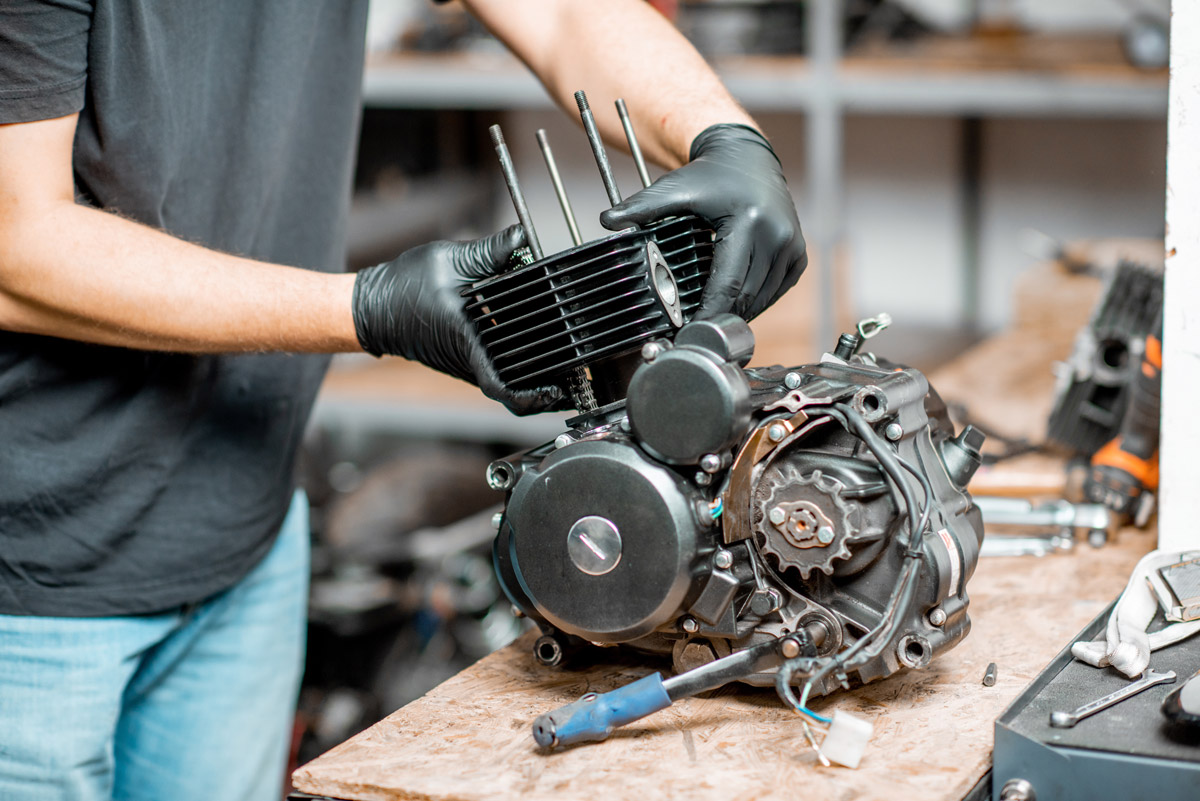
Small engines may appear simple from the outside, but they are made up of carefully engineered components that work together with precision. Each part plays a specific role in keeping the engine running efficiently, safely, and reliably over years of use.
The structural core of the engine. It houses the cylinder and piston and forms the physical "home" for all internal mechanical components.
Moves up and down inside the cylinder, driven by the force of combustion. It transfers explosive energy into rotational crankshaft movement.
Links the piston to the crankshaft, converting the piston's up-and-down motion into the rotation that drives your equipment.
Attached to the piston via the connecting rod. In vertical shaft engines it drives blades directly; in horizontal shaft engines it powers belt and chain drives.
Creates a precisely timed electric spark that ignites the compressed fuel-air mixture inside the cylinder, initiating the power stroke.
Mixes fuel and air in the correct ratio before delivering the mixture to the cylinder. Modern engines may use fuel injection for more precise control.
Control the flow of the fuel-air mixture in and exhaust gases out of the cylinder at precisely timed intervals during each engine cycle.
Protects the engine from dust, debris, and particulates. Think of it as a miniature snowplow — it keeps the engine clean and running efficiently for longer.
The four-stroke engine is the most widely used type in small machines such as lawn mowers, generators, and pressure washers. As the name suggests, each complete power cycle involves four distinct piston strokes, with each stroke playing a critical role in converting fuel into usable power for your equipment.
Intake Stroke
The piston moves downward, creating a vacuum that draws a fresh mixture of fuel and air into the cylinder through the open intake valve. This is the engine drawing its breath before the power sequence begins.
Compression Stroke
Both valves close. The piston moves back up, compressing the fuel-air mixture into a much smaller space at the top of the cylinder. This compression increases the energy density of the charge, making the subsequent ignition far more powerful.
Power Stroke
At the top of the compression stroke, the spark plug fires, igniting the compressed mixture. The resulting combustion forces the piston downward with great force, generating the torque that turns the crankshaft and runs the machine. This is the only stroke that actually produces power.
Exhaust Stroke
The exhaust valve opens and the piston travels back up, pushing spent combustion gases out of the cylinder and through the exhaust port. The cylinder is now cleared and ready to begin the cycle again with a fresh charge of fuel and air.
This four-stroke cycle repeats continuously for as long as the engine runs, producing smooth, reliable power for your equipment. The consistency of this cycle is what makes four-stroke engines the preferred choice for most residential and commercial outdoor power equipment.
A two-stroke engine completes its entire power cycle in just two piston strokes rather than four, making it a more compact and mechanically simpler design. Two-stroke engines are common in lightweight, handheld power tools where a high power-to-weight ratio matters most — such as chainsaws, string trimmers, leaf blowers, and small outboard motors.
Unlike a four-stroke engine, a two-stroke engine does not have separate intake and exhaust valves. Instead, it uses ports cut into the cylinder wall, which the piston covers and uncovers as it moves. On the downstroke, the piston compresses the fuel-air mixture that entered the crankcase on the upstroke. As the piston nears the bottom, the exhaust port opens and burnt gases escape, while fresh mixture enters through the transfer port. The spark plug then fires and the cycle repeats — delivering a power stroke with every single revolution of the crankshaft.
Two-stroke engines burn a mixture of petrol and oil together, as they lack a separate lubrication system. Four-stroke engines keep their oil reservoir separate, using a dedicated lubrication circuit to protect engine components. This is a key difference to understand when purchasing fuel for your equipment.
How Are Four-Stroke And Two-Stroke Engines Different?Small engines come in both configurations, and each has genuine strengths. Understanding the differences helps you match the right engine type to the right task — and helps you maintain your equipment correctly.
Separate oil reservoir — no fuel mixing required
More torque per size, ideal for heavy-duty sustained loads
Lower emissions and better fuel efficiency overall
More complex valve-train mechanics
Heavier and larger for a given power output
Preferred for mowers, generators, pressure washers
Oil mixed with fuel — simpler internal design
Higher power-to-weight ratio for compact tools
Higher emissions, less fuel-efficient per cycle
Fewer moving parts, easier mechanical service
Lighter and more compact for a given power output
Preferred for chainsaws, trimmers, leaf blowers
For most backyard and outdoor power equipment — mowers, generators, tillers, and pressure washers — a four-stroke engine is the better long-term choice. Better fuel economy, cleaner emissions, and longer service life make four-stroke engines the preferred option for stationary or sustained-load applications.
Power Output
Four-stroke engines produce more torque per displacement, making them superior for sustained, heavy-load tasks. Two-stroke engines generate a power stroke every revolution — so while they fire more frequently, the total power delivered per unit of fuel is lower. For demanding yard work and power generation, four-stroke is the practical choice.
Fuel And Oil
Two-stroke engines require a precise petrol-to-oil mixture — typically 50:1 — as the oil provides internal lubrication for the crankshaft and cylinder walls. Using straight petrol in a two-stroke engine will destroy it rapidly. Four-stroke engines use standard unleaded petrol and maintain oil in a dedicated sump, checked and changed independently of the fuel supply.
Emissions
Four-stroke engines burn fuel more completely and do not combust oil with their fuel, resulting in cleaner exhaust. Two-stroke engines release more particulates and hydrocarbons due to their combustion process. For residential areas, parks, or any environment with air quality considerations, four-stroke engines are significantly cleaner to operate.
Maintenance And Durability
Two-stroke engines have fewer moving parts and are mechanically simpler to rebuild, but they wear faster due to the oil-in-fuel lubrication method. Four-stroke engines last longer between major services and feature dedicated oil change intervals that make preventative maintenance straightforward. For high-use or commercial equipment, four-stroke engines typically deliver a lower total cost of ownership.
Common Applications
| Four-Stroke | Lawn mowers, ride-on tractors, generators, pressure washers, tillers, go-karts |
| Two-Stroke | Chainsaws, string trimmers, leaf blowers, hedge trimmers, small outboards |
Both engine types are proven across decades of outdoor equipment use. The choice ultimately comes down to the tool, the task, and how you prefer to manage maintenance and fuel.
Starting A Small EngineStarting a small engine may be as simple as pulling a cord or pressing a button, but there is a reliable sequence of checks and actions that ensures your engine starts cleanly and runs well from the first cycle. Following this process protects your investment and eliminates most of the common reasons an engine refuses to start.
Before You Start: Key Checks
- For four-stroke engines, check that oil levels are sufficient for lubrication. Running low oil will destroy the engine within minutes of operation.
- For two-stroke engines, confirm the fuel-oil mixture ratio is correct for your specific engine model.
- Check that the fuel valve is open and that fresh, clean fuel is in the tank.
- Confirm the spark plug is clean and properly seated — a fouled or loose plug is one of the most common causes of no-start conditions.
- Inspect the ignition system and ensure all controls are in the correct starting position.
Step 1: Turning The Crankshaft
Small engines typically start by rotating the crankshaft either via a recoil pull cord or an electric start motor. As the crankshaft turns, the piston moves through the cylinder, beginning the intake stroke and drawing the fuel-air mixture through the carburettor or fuel injection system. This initial rotation is what brings the engine to life.
Step 2: Drawing In The Fuel-Air Mixture
As the piston descends on the intake stroke, it creates a partial vacuum that draws in a precisely metered fuel-air mixture. The carburettor controls this ratio automatically, while fuel-injected engines manage it electronically. A clean air filter is essential at this stage — a blocked filter starves the engine of air and makes starting difficult or impossible. Correct mixture ratio is the foundation of reliable starting.
Step 3: Compression
With the intake valve closed, the piston rises and compresses the fuel-air charge into a fraction of its original volume. This compression dramatically increases both the temperature and the energy density of the mixture, readying it for ignition. Good compression is essential for a strong, clean start — and weak compression is often the cause of hard-starting or low-power complaints.
Step 4: Ignition And Combustion
At peak compression, the spark plug fires, detonating the compressed mixture. The resulting controlled explosion drives the piston down with significant force, turning the crankshaft and producing the power that drives your equipment. The entire ignition event happens in milliseconds — but it is the precise timing of that spark that determines engine performance, efficiency, and smoothness.
Step 5: Continuous Operation
Once started and running, the engine enters a continuous cycle of intake, compression, combustion, and exhaust. Several interconnected systems work together to keep the engine running smoothly under varying loads:
- The crankshaft continues rotating, maintaining momentum between power strokes.
- Fuel and air are supplied continuously in response to throttle position and load demand.
- Lubrication oil circulates to reduce friction on all moving components.
- The cooling system — whether air-cooled fins or a liquid cooling circuit — dissipates heat generated by combustion to keep operating temperatures stable.
Understanding Your Engine
Small engines are remarkably efficient pieces of engineering. Whether you are running a four-stroke horizontal shaft engine on a generator or a two-stroke powerhead on a trimmer, every component serves a precise purpose in the cycle of intake, compression, combustion, and exhaust. Understanding this cycle helps you maintain your equipment correctly, diagnose issues before they escalate, and choose the right machine for the job. The more you understand about what is happening inside your engine, the better equipped you are to keep it running at its best — season after season.