

How oil cooling works, why it matters, the different system types available, and the maintenance practices that keep your engine running at peak performance for the long haul.
Modern engines generate tremendous heat during operation, and managing that thermal energy effectively is one of the most critical factors in maintaining long-term performance and reliability. An oil cooling system serves as a vital component in this process — circulating and conditioning engine oil to maintain safe operating temperatures, protecting your machinery from costly thermal damage, and ensuring smooth, consistent operation under demanding load conditions.
In this guide, we explore how oil cooling systems work, the key benefits they deliver, the different types available across equipment categories, and the essential maintenance practices that keep your system performing at its best. Whether you are evaluating a new engine purchase or maintaining existing equipment, understanding your oil cooling system is fundamental to protecting your investment.
How Oil Cooling Systems Work
An oil cooling system operates on a straightforward but highly effective principle: engine oil is continuously circulated through a dedicated cooling mechanism to reduce its temperature before being returned to the engine to resume its lubricating and protective functions. The moment hot oil exits the engine's internal passages, it enters a circuit specifically designed to extract that excess thermal energy.

Heat Absorption
Hot oil exits engine components, carrying absorbed thermal energy away from critical surfaces including bearings, pistons, and valve trains.
Cooling Circuit
Oil flows through specially designed cooling lines to a heat exchanger or dedicated oil cooler radiator where the excess heat is dissipated.
Heat Dissipation
Air or liquid cooling methods extract the thermal energy from the oil. Air-cooled systems use fins and fans; liquid-cooled systems transfer heat into the engine's coolant circuit.
Return to Engine
Cooled, conditioned oil returns to the engine to continue its protective and lubricating functions at optimal viscosity and temperature.
A thermostat typically governs the entire process, directing oil through the cooler only when temperatures exceed safe operating thresholds. This ensures the engine reaches its optimal working temperature quickly after startup while simultaneously preventing overheating during sustained high-load operation — a balance that directly impacts both efficiency and component longevity.
Key Benefits of Oil Cooling Systems
Oil cooling systems deliver several concrete advantages that make them indispensable in any high-performance or high-demand engine application. Each benefit compounds on the others — cooler oil performs better, which reduces wear, which extends service life, which reduces overall ownership costs.
Temperature Control
The primary function is maintaining oil temperature within the optimal 80–120°C operating band. This preserves the oil's lubricating properties and prevents thermal breakdown under sustained load.
Extended Engine Life
Keeping oil temperatures within safe limits dramatically reduces wear on critical engine components — particularly bearings, pistons, and valve trains — extending the service life of the entire unit.
Improved Performance
Cooler oil maintains superior viscosity, ensuring proper lubrication even under extreme operating conditions. This translates directly to more consistent engine performance and maximum power output at all load levels.
Reduced Maintenance Costs
Preventing oil degradation through effective thermal management extends service intervals and reduces the frequency of oil changes — delivering meaningful savings across the total cost of equipment ownership.
"An oil cooling system is not just a performance upgrade — it is a long-term protection strategy for every engine it serves."
Types of Oil Cooling Systems
Several oil cooling system configurations exist, each engineered to suit different applications, engine sizes, and performance requirements. Understanding the distinctions helps you match the right cooling solution to your specific equipment needs.
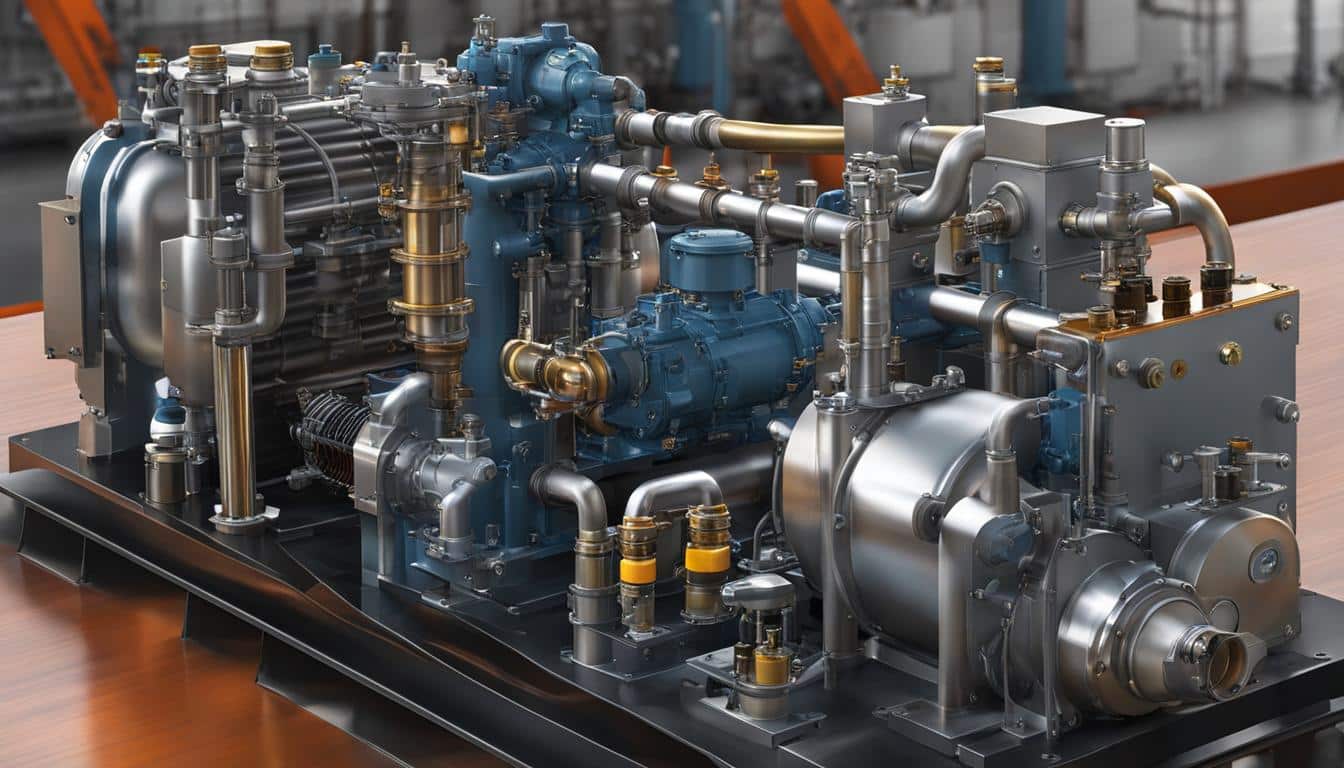
Air-cooled oil systems use external radiators equipped with cooling fins and dedicated fans to dissipate heat directly into the surrounding air. They are commonly found in motorcycles, smaller utility engines, and portable power equipment where simplicity, light weight, and low installation complexity are priority factors. Maintenance requirements are minimal, though performance can be affected in extremely high ambient temperatures.
Liquid-cooled oil systems integrate directly with the engine's primary coolant circuit, using the existing coolant flow to extract heat from the oil via a dedicated oil-to-water heat exchanger. These more complex systems are typically found in larger displacement engines and high-performance applications where air-cooling alone cannot manage the thermal load generated during sustained operation.
Thermostatic oil cooling systems incorporate temperature-sensitive control valves that regulate oil flow through the cooler based on real-time thermal conditions. Oil only passes through the cooling circuit when temperatures exceed a predetermined threshold — allowing the engine to warm up rapidly from cold starts while providing full cooling protection once operating temperatures are reached. This system delivers the most precise thermal management of the three configurations.
Essential Maintenance Tips
Regular maintenance is what separates an oil cooling system that delivers decades of reliable service from one that fails prematurely. Consistent attention to a small number of key checkpoints keeps the entire thermal management circuit operating as designed.
Check oil levels frequently. Oil cooling systems can mask consumption issues by keeping the oil cleaner and more stable over time. Regular level checks remain essential — do not allow the system to operate with insufficient oil volume.
Inspect cooling lines regularly. Examine all cooling lines, fittings, and connections for signs of leaks, cracks, abrasion, or blockages. Any restriction in the oil circuit reduces cooling efficiency and can result in thermal damage to engine components.
Clean air-cooled radiators. Dust, debris, and organic material accumulate on cooling fins over time, progressively reducing airflow and thermal dissipation capacity. Regular cleaning restores full cooling efficiency and prevents gradual heat buildup.
Monitor oil temperature gauges. Actively observe temperature readings during operation and investigate any unusual or elevated readings immediately. Early identification of thermal anomalies prevents minor issues from developing into catastrophic engine failures.
Replace filters on schedule. Follow the manufacturer's specified filter replacement intervals without exception. Contaminated or saturated oil filters restrict flow through the cooling circuit and allow particulates to circulate through engine passages.
Use the correct oil specification. Always fill with the viscosity grade and oil type specified by your engine manufacturer. Using the wrong oil undermines the cooling system's effectiveness regardless of how well the rest of the circuit is maintained.
Consistent adherence to these maintenance practices ensures your oil cooling system operates with full effectiveness at all times — protecting your engine, preserving performance, and extending the service life of every component it supports.
Maximising Your Engine's Potential
Oil cooling systems represent one of the most impactful investments you can make in the long-term health and performance of a working engine. By maintaining oil temperatures within the optimal operating range, these systems protect your engine's most critical components while delivering consistent, reliable performance under the most demanding conditions your equipment will ever face.
Proper thermal management is the foundation of engine longevity — every hour of operation benefits from a well-maintained oil cooling system
Whether you are upgrading an existing power unit or selecting a new engine for a critical application, proper oil cooling system selection and diligent maintenance will ensure years of reliable operation, reduced downtime, and peak performance output across every duty cycle your equipment demands. The difference between an engine that lasts a decade and one that fails prematurely often comes down to how effectively its thermal management systems were specified, installed, and maintained.
Take the time to understand your engine's oil cooling requirements today — and build a maintenance routine that keeps those systems functioning exactly as they were engineered to perform.
DuroMax XP35HPE — 999cc Horizontal Shaft Engine
Built for multi-purpose applications that demand sustained performance, the DuroMax XP35HPE pairs 999cc of proven displacement with push button electric start and the engineering integrity to run hard, run cool, and run reliably.
Always consult your engine and equipment manufacturer's documentation for model-specific oil cooling system specifications and maintenance intervals. Thermal management requirements vary by engine displacement, application, and operating environment.