

Both full suspension and fat tire e-bikes bring something exceptional to the trail — and to the road. Full suspension models absorb the punishment of rough terrain, delivering control and comfort where it counts most. Fat tire e-bikes grip loose, slippery, and unpredictable surfaces with confidence. The right choice depends entirely on how and where you ride.
What Is a Full Suspension E-Bike?
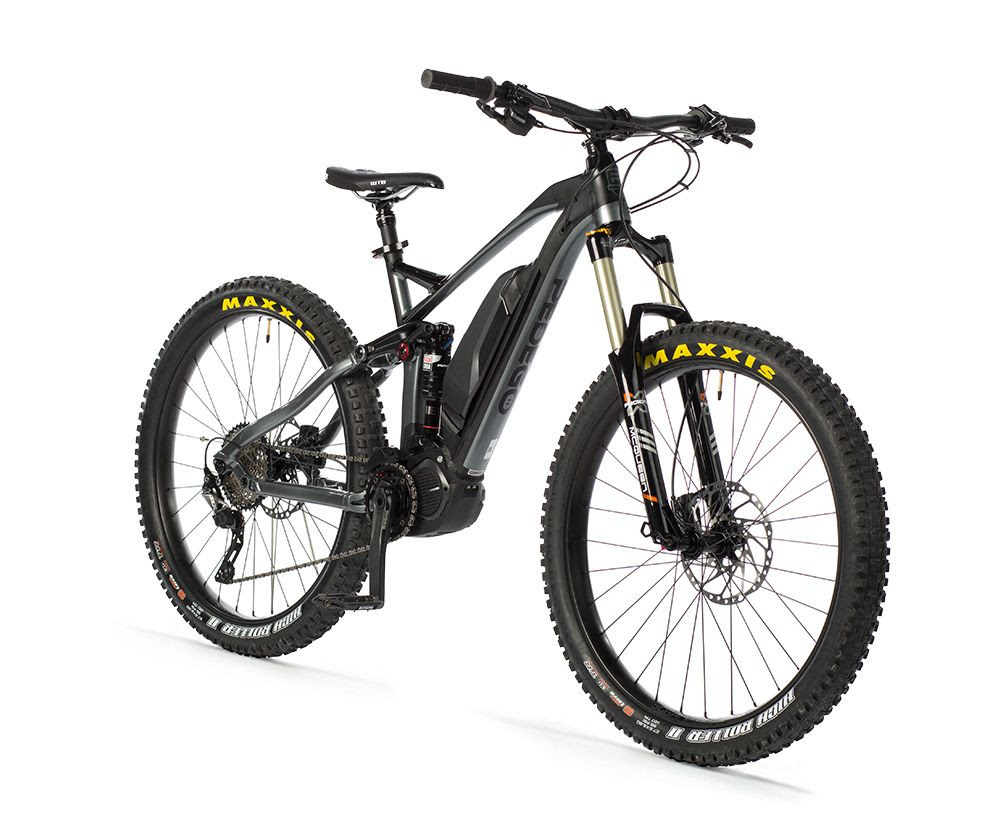
A full suspension e-bike uses independent front and rear shock systems engineered to absorb trail impacts. The front fork handles bumps and debris, while the rear shock neutralizes jolts transmitted through the frame. Together, this dual-shock architecture keeps the wheels tracking the ground precisely — reducing fatigue on extended rides and giving you the confidence to tackle technical descents at speed.
These bikes are purpose-built for mountain trail enthusiasts who demand fluid control over rocks, roots, drops, and switchbacks. The suspension doesn't just improve comfort — it improves safety and performance on demanding terrain.
What Makes Fat Tire E-Bikes Unique?
Fat tire e-bikes are defined by their oversized tires — typically 3.8 to 5 inches wide — inflated to low pressure to maximize surface contact. This creates a natural cushioning effect that absorbs vibration and provides exceptional grip on soft or unstable ground: sand, snow, mud, gravel, and loose rock. Because the tire does much of the shock-absorbing work, fat tire builds often require less mechanical suspension.
These bikes are loved by adventure riders who want to explore diverse environments — from coastal beaches to forest fire roads — without worrying about surface conditions.

| Feature | Full Suspension E-Bike | Fat Tire E-Bike |
|---|---|---|
| Suspension Type | Front & rear independent shocks | Front fork or rigid frame |
| Tire Width | Standard — 2.3″ to 2.8″ | Extra-wide — 3.8″ to 5″ |
| Core Benefit | Shock absorption & trail control | Traction & surface stability |
| Best Terrain | Rocky trails, roots, technical paths | Sand, snow, mud, loose ground |
Comfort & Handling on the Trail
Full suspension e-bikes provide a noticeably smoother ride at higher speeds — the dual-shock system absorbs relentless trail chatter, keeping you in control without physically wearing you down. This makes them the natural choice for long technical rides where fatigue management matters as much as bike fit.
Fat tire e-bikes achieve their comfort through volume. The high-volume, low-pressure tires act like air springs, softening the ride on irregular surfaces. They feel planted and secure on soft terrain, though on smooth pavement they can feel sluggish compared to narrower-tire alternatives. Their rolling resistance is higher by nature — a trade-off for the grip they provide off-road.
Active shock absorption keeps the bike composed over rocks and roots. Higher speeds feel stable, and arm-pump is reduced on demanding descents.
Oversized tires provide a planted, pillowy ride. Exceptional on loose and soft surfaces — though slightly heavier and less nimble on firm ground.
Which Performs Better By Terrain?
The terrain you ride most frequently should be the single biggest factor in your decision. Both bike types genuinely excel — but in distinct environments.

Battery Life & Range Compared
Both categories typically run motors in the 500W–750W range, delivering comparable peak performance. However, real-world range varies. Full suspension systems carry additional mechanical weight and can absorb some pedaling energy through suspension movement. Fat tire bikes face higher rolling resistance — their wide contact patch demands more motor assistance on firm terrain. Both trade-offs are manageable with proper battery capacity selection.
| E-Bike Type | Avg. Motor Power | Typical Range (Miles) | Battery Weight Factor |
|---|---|---|---|
| Full Suspension | 500W – 750W | 30 – 50 miles | Higher — suspension mechanics |
| Fat Tire | 500W – 750W | 30 – 50 miles | Higher — tire drag resistance |
Choosing a battery with capacity matched to your typical riding distance — and terrain — is the most effective way to maximize your range on either platform.
Commuting, Trail Riding, & Adventure
For technical trail riding and mountain adventures where precision matters, full suspension e-bikes are the stronger platform. The combination of active shock absorption and responsive handling inspires confidence on demanding routes where unplanned obstacles are the norm.
Fat tire e-bikes serve adventure riders who want to explore diverse landscapes — sand, urban gravel, packed dirt, snow — without specialized gear for each surface. Their wide footprint handles the unexpected.
For commuting, the choice hinges on your route. Riders traveling across mixed surfaces — cracked pavement, gravel shoulders, unpaved shortcuts — benefit from fat tire stability. Those commuting on smoother paths may find a full suspension build more responsive and efficient.

Purchasing Advice
Before committing to either platform, consider these five decision points honestly:
- Use Case: Define your primary terrain. Technical mountain trails favor full suspension; loose, soft, or variable surfaces favor fat tire builds.
- Budget: Full suspension models carry a premium due to added mechanical complexity. Fat tire builds are often more accessible — though heavier.
- Weight & Portability: Fat tire e-bikes are inherently heavier. If your routine involves loading the bike into a vehicle frequently, factor this in.
- Maintenance: Suspension systems — especially dual-shock setups — require periodic servicing. Fat tire builds with rigid or front-only suspension are simpler to maintain.
- Brand Reliability: Choose a manufacturer that integrates safety, innovation, and rider-proven performance across their lineup — not just a single model.