

Setting fence posts at the proper depth is the single most important decision in any fencing project. Get it right and your fence stays straight, plumb, and proud for decades. Get it wrong and you'll be repairing leaning sections after the first heavy storm. Here's everything you need to know about finding the perfect depth for your project.
Deciphering the Ideal Depth
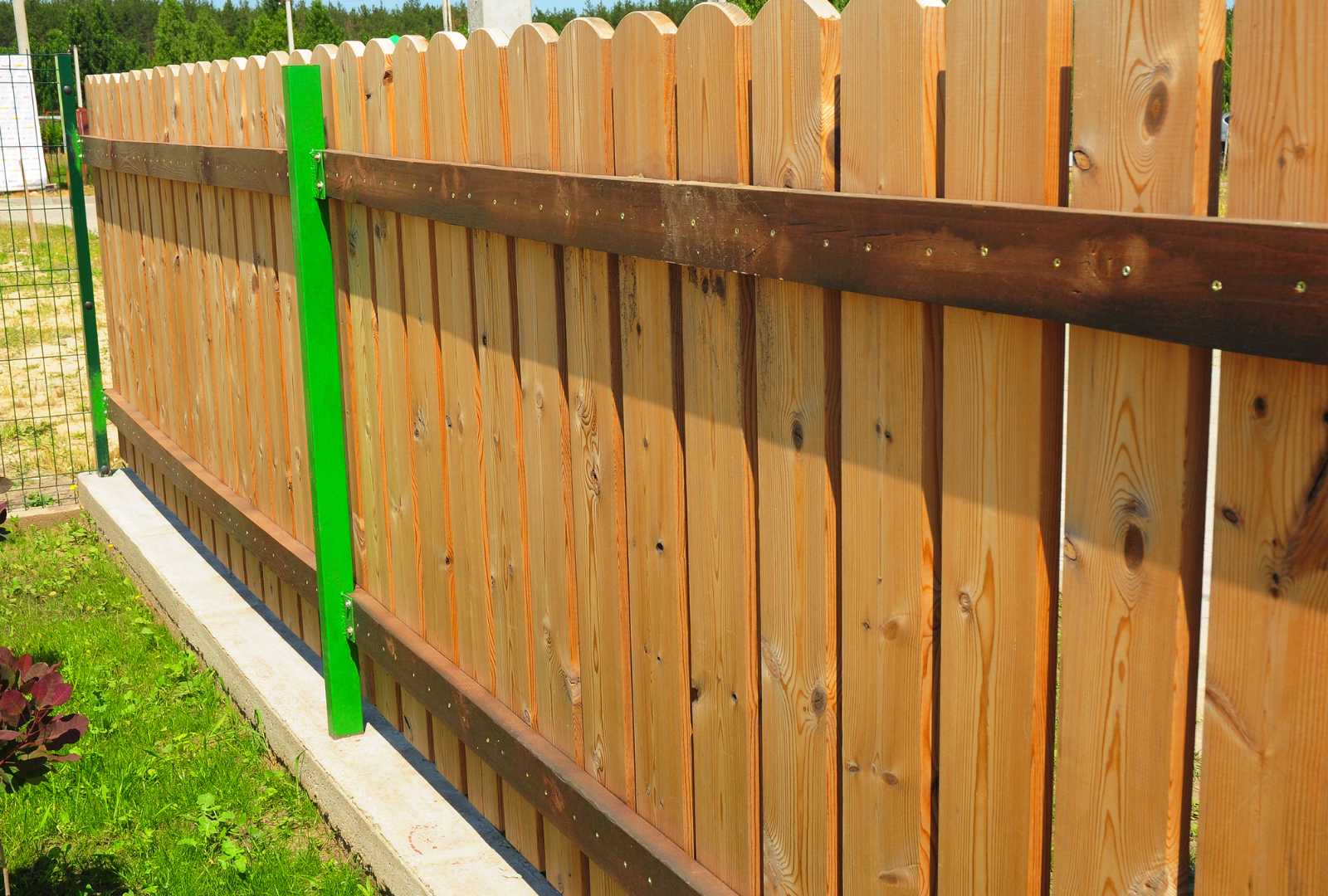 The question every fence builder asks first — how deep should I dig my fence post holes? While there's no universal answer that applies to every yard, the right depth depends on several key variables. Understanding these factors will help you make smart choices before you ever pick up a shovel.
- Soil Composition: The type of soil you're digging into changes everything. Loose, sandy soils require deeper holes for the post to grip properly. Dense, clay-heavy soils are more forgiving and hold posts firmly with less depth.
- Fence Height: Taller fences catch more wind and apply more leverage at the post. The taller your fence, the deeper your posts must go to counter that force.
- Fencing Material: Wood, vinyl, chain-link, or metal — each material carries its own weight and wind-load profile, which influences how deep you'll need to set things.
- Local Climate: Your regional weather matters enormously. In areas with hard freezes, you'll need to dig below the frost line to prevent heave. In wetter climates, deeper anchoring fights soil saturation and shifting.
- Local Building Codes: Before any shovel hits the dirt, check your municipal regulations. Some jurisdictions dictate minimum post depths, and ignoring them can mean costly do-overs down the line.
With these variables in mind, let's dig into the specific guidelines that will set your fence up for the long haul.
Getting the Right Depth: Unveiling the Mystery
Guidelines for Post Hole Width
The diameter of your post hole is just as critical as how deep you dig. A solid rule of thumb: the hole's diameter should be three times the width of the post itself.
To make this even easier, here are the most common post sizes and their recommended hole widths:
| Post Size | Recommended Hole Diameter |
|---|---|
| 2-3/8 inch round post | 7.2 inches |
| 4×4 inch square post | 12 inches |
| 6×6 inch square post | 18 inches |
This three-to-one ratio gives your concrete room to flow around the post evenly, ensuring strong adhesion and rock-solid stability once cured.
Guidelines for Panel Post Hole Depth
For panel-style fencing, the depth formula gets a little more detailed. The general principle is to bury one-third of the post's aboveground height, then add another 3 to 6 inches of gravel at the bottom for drainage.
Where:
- D = total depth of the post hole
- h = the height of the fence above the ground
Here's how that math plays out across common fence heights:
| Fence Height (Above Ground) | Recommended Hole Depth |
|---|---|
| 3 feet | 15 – 24 inches |
| 4 feet | 19 – 30 inches |
| 5 feet | 23 – 36 inches |
| 6 feet | 27 – 42 inches |
| 7 feet | 31 – 48 inches |
| 8 feet | 35 – 54 inches |
Think of these numbers as your recipe — every fence has its own ingredients, and following these guidelines will help you measure twice and dig once. With the right depth, your fence will stand confidently against wind, rain, and time.
The Nitty-Gritty of Digging: Setting Posts Like a Pro
Now that the planning is out of the way, it's time to put on your gloves and get to work. Here's a clean, step-by-step approach to setting posts the right way:
- Gear Up: Grab a sturdy post hole digger or auger. The right tool turns a brutal job into a manageable one.
- Mark Your Territory: Use stakes and twine to map out exactly where each post will go. Accuracy here saves headaches later.
- Time to Dig: Excavate each hole to your calculated depth. Take your time, keep the walls clean, and don't rush this part.
This is where the real magic begins. Patience and precision now will reward you with a fence that holds its line for years.
The Do's and Don'ts of Post Placement
Before you sink that first post into the ground, here's a quick rundown of the habits that separate great installations from rushed ones.
Do
- Level Matters: Check post alignment in both directions with a level — vertical accuracy keeps your fence looking sharp.
- Tamp the Soil: As you backfill, tamp the soil down firmly in layers to eliminate air pockets and lock the post in place.
- Patience Is a Virtue: Don't rush concrete curing or skip steps to save time. Slow and steady wins the fence game.
Don't
- Cut Corners: Skimping on depth or skipping concrete may seem fine today but will haunt you in a year or two.
- Eyeball It: Estimating depth or alignment by sight is a recipe for crooked, unstable fencing. Use a tape measure every time.
Follow these principles and your fence will reward you with strength, straightness, and longevity.
Words of Wisdom from Fencing Contractors
We've spent years working alongside homeowners and DIYers, and we know the questions that pop up most often when someone's planning their first fencing project. Here's what the pros want you to keep in mind:
- Priority — Structure Over Aesthetics: A beautiful fence means nothing if it's leaning by next season. Build for structural strength first; the finish work comes after.
- Local Expertise Matters: Soil and climate vary block by block. A local fencing contractor knows the quirks of your area and can match the build to the conditions.
- Safety First: If anything about the process feels uncertain, call in the pros. Experienced installers bring know-how that turns a wobbly weekend project into a polished, lasting result.
Consider each of these tips a tool in your fencing toolbox — knowledge that doesn't just guide your hands but builds the foundation for a fence that will outlast trends and weather alike.
In Conclusion: A Solid Foundation for a Strong Fence
 And there you have it. The secret to a fence that stands tall and unwavering lies in its foundation — the depth of those posts. Remember, it's not just about numbers on a chart. It's about understanding the unique blend of soil, fence height, materials, and climate that defines your project. Calculating the right depth isn't rocket science — it's the careful science behind a fence built to last.
So whether you're a weekend DIYer or an experienced fence-builder, treat every project like a craftsman would. Measure your fence height, calculate the depth, and always factor in your region's quirks. With the right hole and the right post, you've laid the foundation for something that's truly built to last.
Happy digging — and happy fence-building! Your yard, your home, and your craftsmanship deserve nothing less than a fence built right from the ground up.
Ready to Build the Strongest Foundation?
For heavy-duty fencing projects, especially dual swing driveway gates, your posts need to be more than just deep — they need to be the right hardware for the job. Check out our heavy-duty gate post set, engineered with mounting brackets and built for the long haul.