

Running a successful food service operation demands reliable cold storage solutions. Whether you manage a bustling restaurant kitchen, a catering business, or an outdoor food service setup, choosing the right reach-in refrigeration equipment is essential. This comprehensive guide walks you through everything you need to know before making your purchase decision.
What You'll Learn
Why Commercial Reach-In Refrigeration Matters for Your Operation
Commercial kitchens and food service establishments require specialized refrigeration that far exceeds standard residential capabilities. Reach-in refrigerators and freezers serve as the workhorses of professional cold storage, designed to endure constant daily use while maintaining precise temperature control.
These commercial units are engineered to hold critical temperatures consistently—between 33°F and 40°F for refrigerators and 0°F to -10°F for freezers—ensuring your ingredients remain fresh and food-safe. Unlike consumer-grade appliances, commercial reach-ins feature heavy-duty compressors, reinforced shelving systems, and durable construction built to handle the demands of busy foodservice environments.
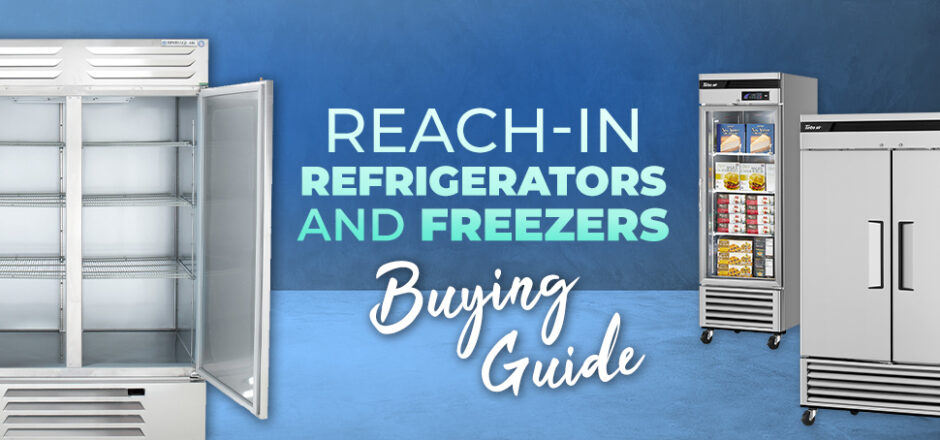
Whether you operate a food truck, outdoor catering service, or traditional commercial kitchen, investing in quality reach-in refrigeration protects your inventory, ensures health code compliance, and supports efficient kitchen workflow. The accessibility of reach-in units allows staff to quickly retrieve ingredients without interrupting food preparation, making them indispensable for high-volume operations.
Deciding Between Reach-In Refrigerators and Freezers
Understanding when to choose a refrigerator versus a freezer—or both—depends entirely on your menu offerings and storage requirements. Each serves distinct purposes in maintaining food quality and operational efficiency.
Reach-In Refrigerators
Ideal for storing fresh produce, dairy products, prepared ingredients, beverages, and items requiring daily access. Maintains temperatures that keep perishables fresh without freezing, perfect for items you'll use within days.
Best For: Restaurants with fresh-focused menus, salad bars, beverage stations, and prep kitchens requiring quick ingredient access.
Reach-In Freezers
Essential for long-term storage of frozen proteins, ice cream, frozen vegetables, and bulk ingredients. These units maintain consistent sub-zero temperatures that preserve food quality for weeks or months.
Best For: Establishments storing frozen meats, seafood, desserts, or operations that batch-prep and freeze items for later use.
Pro Tip: Many operations benefit from having both refrigeration and freezer units. Consider combination models with dual-temperature zones if kitchen space is limited, or invest in separate units for maximum storage flexibility.
Critical Features and Specifications to Evaluate
Before purchasing commercial refrigeration, carefully assess these key specifications that directly impact performance, efficiency, and long-term value.
Available Space
Measure your kitchen footprint precisely. Account for door swing clearance, ventilation requirements, and adequate aisle space for staff movement.
Storage Capacity
Calculate your cubic foot requirements based on inventory volume. Consider peak seasons and potential business growth when sizing your unit.
Compressor Location
Top-mounted compressors stay cleaner and run more efficiently in warm kitchens. Bottom-mounted units offer easier access but collect more debris.
Door Configuration
Choose between solid doors for temperature retention or glass doors for product visibility. Half-doors allow targeted access while minimizing cold air loss.
Energy Efficiency
Look for ENERGY STAR certification and compare annual operating costs. Efficient models significantly reduce utility expenses over the equipment lifespan.
Temperature Range
Verify the unit maintains your required temperature range consistently. Digital controls offer precise adjustment and monitoring capabilities.
Determining the Right Size for Your Needs
Selecting appropriate refrigeration capacity prevents both overcrowding and wasted energy from running oversized equipment. Use these guidelines to match unit size with your operational requirements.
| Unit Type | Capacity Range | Ideal For |
|---|---|---|
| Single Door | 20-30 cu. ft. | Small cafes, food trucks, compact prep stations |
| Double Door | 40-55 cu. ft. | Mid-sized restaurants, catering operations |
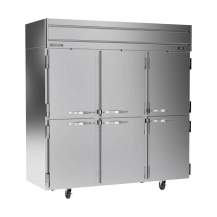
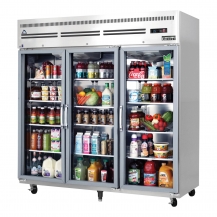
| Triple Door | 65-85 cu. ft. | High-volume kitchens, institutional facilities |
When calculating needs, factor in your average weekly inventory, delivery schedules, and menu complexity. A unit operating at 70-80% capacity maintains optimal airflow and temperature consistency. Overloading restricts circulation and forces the compressor to work harder, increasing energy costs and wear.
Proper Installation Guidelines
Correct installation maximizes equipment lifespan and efficiency. Follow these essential steps when setting up your new reach-in refrigeration unit.
Location Selection: Position the unit away from heat sources including ovens, grills, and direct sunlight. Ambient temperatures significantly affect compressor workload and energy consumption.
Ventilation Clearance: Maintain manufacturer-recommended clearances around the unit—typically 4-6 inches on sides and rear. Adequate airflow prevents overheating and ensures efficient operation.
Level Positioning: Use a spirit level to ensure the unit sits perfectly flat. Unlevel installation causes door seal issues, drainage problems, and uneven cooling.
Electrical Requirements: Verify your electrical supply matches the unit specifications. Most commercial units require dedicated circuits. Consider hiring a licensed electrician for proper installation.
Maintenance and Care for Longevity
Regular maintenance protects your investment and prevents costly breakdowns. Establish these routine practices to keep your refrigeration running efficiently for years.
Daily Tasks
Check and log temperatures. Wipe down exterior surfaces and handles. Inspect door seals for proper closure. Remove any spills immediately to prevent odors and bacteria growth.
Weekly Tasks
Clean interior shelves and walls with food-safe sanitizer. Check condenser area for dust accumulation. Verify drain line is clear and flowing properly. Organize contents for optimal airflow.
Monthly Tasks
Clean condenser coils thoroughly using a brush or vacuum. Inspect and clean door gaskets. Test thermostat accuracy with a calibrated thermometer. Check for unusual sounds indicating component wear.
Annual Service
Schedule professional inspection and maintenance. Have a technician check refrigerant levels, electrical connections, and overall system performance. Replace worn gaskets and aging components proactively.
Important: Neglecting condenser coil cleaning is the leading cause of premature compressor failure. Dirty coils force the system to work harder, dramatically increasing energy costs and shortening equipment life.
Ready to Upgrade Your Commercial Cold Storage?
Explore our selection of professional-grade reach-in freezers designed for demanding foodservice environments.
72" 6-Door Commercial FreezerFinal Thoughts
Investing in quality commercial reach-in refrigeration is one of the most impactful decisions for any food service operation. By carefully evaluating your storage needs, comparing specifications, ensuring proper installation, and committing to regular maintenance, you'll maximize the return on your equipment investment. The right refrigeration solution keeps your ingredients fresh, your operation compliant, and your kitchen running smoothly day after day.