

Table of Contents
A commercial refrigerator is at the heart of almost every food-related business. Whether you're running a bustling supermarket, a cozy neighborhood restaurant, or a compact corner shop, your fridge needs to perform flawlessly every single day. And a huge part of that performance comes down to one thing — where and how you install it.
Poor placement can snowball into serious headaches. A compressor that's constantly overworking. Internal temperatures that swing unpredictably. Food that spoils before its time. In some cases, it can even create health and safety violations. For any business that depends on fresh or frozen goods, these aren't minor inconveniences — they're direct threats to your bottom line and your reputation.
Key Factors to Consider Before Installation
Before your new commercial refrigerator even gets plugged in, there are several things you need to evaluate about both the space and the equipment itself. Taking the time to think these through will save you headaches down the road.
Assessing Space Requirements and Clearance
Every commercial fridge model requires a specific amount of breathing room on all sides in order to function properly. It's absolutely essential to make sure there is adequate open space surrounding the unit. Give special attention to the back and the top — this prevents the compressor from being choked off by heat and allows it to operate the way it was designed to.
Electrical and Power Supply Compatibility
You should always verify the voltage requirements your unit needs before turning it on. Using a power source that doesn't match can lead to real trouble. Pulling too much from a single circuit or using extension cords that aren't rated for the load can cause power outages, or worse, become a genuine fire hazard. Reliable manufacturers like Create Refrigeration understand this challenge. They design models that work seamlessly with different power systems around the world, whether that's 220V/50Hz or 110V/60Hz, so your setup is covered no matter where you operate.
Ventilation and Airflow Considerations
Proper airflow around the condenser coils is essential for the unit to shed excess heat the right way. When vents are blocked or restricted, the whole system has to compensate by working harder. The result? Higher cooling costs and the likelihood that your power bill will climb noticeably over time.
Ambient Temperature and Environmental Conditions
The environment around your fridge directly influences how hard it has to work. If a room runs hot — think a busy kitchen during the lunch rush — the compressor has to run longer and more aggressively to maintain the correct internal temperature. The same goes for direct sunlight. Always make sure the model you select is rated for the temperature conditions in your specific space.
Pro Tip: Check the manufacturer's ambient temperature rating before purchasing. A unit rated for moderate climates may underperform in a hot kitchen environment, costing you more in energy and repairs over time.
Best Practices for Installing a Commercial Fridge
After you've evaluated the space, it's time to follow a set of proven installation habits. These straightforward steps will help you extract the best possible performance from your new refrigeration unit.
Selecting the Right Location Within Your Layout
Choose a spot that sits well away from direct sunlight. Equally important, keep it clear of any equipment that radiates heat — ovens, grills, fryers, or even warming stations. This one simple precaution keeps exterior heat from interfering with the cooling system inside. Your fridge will use less energy and last longer as a result.
Ensuring Level Positioning for Optimal Operation
Your refrigerator must sit on a surface that is completely flat and level. This is more important than most people realize. It prevents the door from hanging unevenly, which would allow cold air to leak out continuously. A level unit also ensures the defrost cycle drains correctly, preventing water buildup and potential damage.
Allowing Adequate Clearance Around the Unit
Consult the instructions that come with your specific model to see exactly how much space you need on every side. You'll need enough room behind, next to, and above the fridge. This is one of the most critical things you can do — it helps air circulate freely and stops the machine from getting dangerously hot.
Securing Accessibility for Maintenance and Cleaning
Place the unit somewhere that allows a repair technician to reach the service panels without difficulty. You don't want anyone having to physically move a fully stocked refrigerator just to do basic upkeep. If you plan ahead for this from day one, future repairs will be significantly simpler and faster.
Common Mistakes to Avoid During Installation
Steering clear of these frequently made errors can extend the life of your machine considerably and keep it running at peak efficiency.
This should be obvious, but it happens more often than you'd expect. Heat radiating from nearby equipment or even from outside-facing walls makes the fridge fight harder to maintain its target temperature. Keep it away from anything warm.
Obstructed vents can slash cooling efficiency dramatically. Always keep the area surrounding the air vents clear of walls, boxes, shelving, or anything else that might impede airflow.
Every model is a little different. You should always read the user manual cover to cover for the exact spacing rules and electrical specifications. If you overlook the guidelines, you risk voiding your warranty entirely.
For larger, more powerful fridges, it's important to make sure they have their own dedicated circuit. If you're uncertain about your wiring situation, it's always better to bring in a licensed electrician rather than risk an electrical issue.
Special Considerations for Different Commercial Settings
Every type of business comes with its own unique set of challenges and requirements when it comes to refrigerator installation. What works perfectly in a grocery store might be completely wrong for a small café.

Supermarkets & Grocery Stores
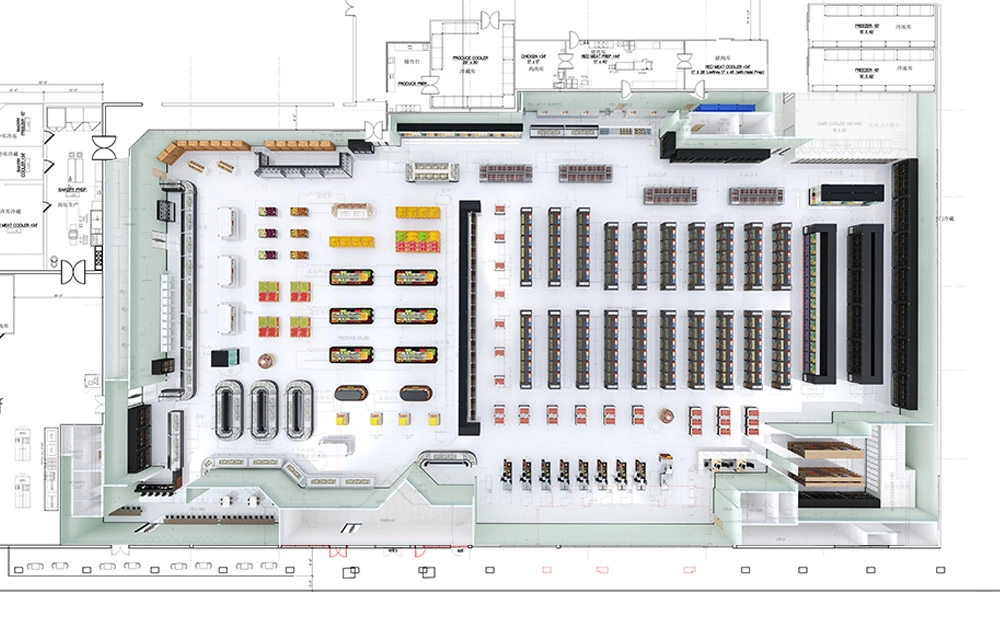
Fitting multiple refrigeration units into a busy store demands careful planning. Island freezers typically work best in the center of the aisle, while upright display units perform well along the walls. Look for flexible configurations — units that can be combined or separated to match your floor plan. Energy-saving options with night curtains or self-closing doors are especially valuable here.
Restaurants & Foodservice Operations
Commercial kitchens need rugged equipment that can handle constant daily use and still fit the workflow. Storage refrigerators should be positioned close to prep stations but never in the direct path of foot traffic. For front-of-house display, quieter models with a cleaner aesthetic are generally the better choice.
Convenience Stores & Retail Shops
Smaller shops need compact but powerful solutions. Some designs put a chiller on top and a freezer on the bottom, which saves a lot of valuable floor space. Models that are easy to plug in and move are ideal because they don't require complicated installation — and you can rearrange your store layout whenever you need to.
Designing for Maintenance and Operational Efficiency
Smart placement isn't something you only think about on installation day. It's about making sure the refrigerator continues to work well for years to come.
Designing for Easy Service Access
Make sure there is always a clear path of access around the service panels. A repair technician should be able to do their job without needing to tear apart your entire kitchen or storage area. This one simple consideration can save you a significant amount of time and money on every future service visit.
Facilitating Regular Cleaning Schedules
Choose units that are constructed with surfaces that are straightforward to wipe down and sanitize. Some equipment is specifically made with easy-clean materials and features like a glass door that opens from the front. This means less time wasted during cleaning routines and a consistently hygienic storage environment.
Remember: A clean refrigerator isn't just about appearances. Dust buildup on condenser coils forces the compressor to work overtime. A quick monthly cleaning can reduce your energy costs and prevent premature breakdowns.
Highlight: Create Refrigeration as a Trusted Equipment Supplier
When you're searching for a commercial refrigerator you can count on, Create Refrigeration is a globally recognized seller known for delivering top-tier quality, fresh designs, and fully customizable solutions. They manufacture equipment for a wide range of applications — from supermarkets and commercial kitchens to retail environments and large-scale food storage.
Their extensive catalog features island freezers, multideck chillers, bakery display cases, and walk-in coolers. Every unit is built with features that save power, including high-quality compressors, thick insulation, and environmentally responsible refrigerants. On top of that, Create Refrigeration holds important international certifications including CE, CB, ETL, and ISO — a clear signal of their commitment to meeting rigorous safety and quality benchmarks.
With a dedicated design team that truly cares about the customer experience, they offer custom storage layout planning through free store layout modeling with CAD software. This ensures every customer gets equipment that is perfectly tailored to their space and their operational needs.
Frequently Asked Questions
How much clearance does my commercial refrigerator need?
Can I install my commercial fridge near cooking appliances?
What makes a supplier like Create Refrigeration different from others?
Ready to Upgrade Your Commercial Refrigeration?
Explore our selection of commercial refrigerators built for performance, efficiency, and long-term reliability.
Chef AAA TSM33R 2-Door Merchandiser Refrigerator