

From bustling restaurant kitchens to expansive grocery store aisles, commercial refrigeration stands as the backbone of countless industries. Whether you operate a cozy café, manage a hospital cafeteria, or run a large-scale food distribution center, understanding refrigeration systems is essential for protecting your inventory and serving your customers safely. This comprehensive guide explores everything you need to know about commercial cooling solutions and how to select the right equipment for your specific needs.
Understanding Commercial Refrigeration
Commercial refrigeration refers to the practice of maintaining products at cold or frozen temperatures on an industrial scale. Unlike residential units designed for household use, commercial systems are engineered to withstand demanding environments found in restaurants, warehouses, convenience stores, and food processing facilities.
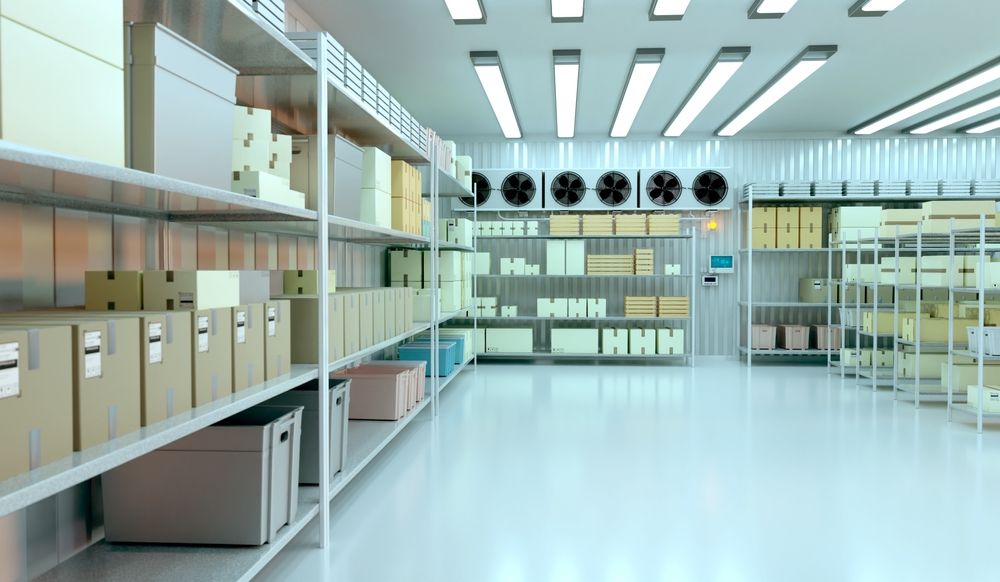
These robust units must consistently maintain precise temperature zones to ensure food products remain fresh, safe for consumption, and free from harmful bacterial growth. From compact under-counter coolers to massive walk-in freezers, each commercial refrigeration unit serves a specific purpose tailored to the operation it supports.
How Commercial Refrigeration Systems Operate
Commercial refrigeration systems function through a carefully orchestrated cycle of components working in harmony to extract heat and maintain optimal temperatures. Understanding this process helps operators make informed decisions about maintenance and equipment selection.
The Compressor: Often called the heart of the system, this component initiates the cooling cycle by compressing refrigerant gas, increasing both its temperature and pressure.
The Condenser: Hot, pressurized refrigerant travels here where it releases heat and transforms from gas into liquid form.
The Evaporator: This component allows the refrigerant to absorb heat from the interior storage space, effectively cooling the contents inside.
Expansion Valve: Controls refrigerant flow into the evaporator, enabling efficient heat absorption through controlled expansion.
Thermostat: Monitors internal temperatures and signals the compressor to activate or deactivate as needed to maintain consistent cooling.
Selecting the Right Commercial Refrigeration System
Every business has unique refrigeration requirements based on factors like available space, storage capacity needs, energy efficiency goals, and budget constraints. Installation complexity and long-term maintenance demands also play crucial roles in the decision-making process.
Refrigeration Types Explained
Walk-In Coolers and Freezers: Large-scale storage solutions ideal for restaurants, grocery retailers, and food service operations requiring substantial inventory space.
Reach-In Refrigerators: Compact alternatives to walk-ins featuring convenient door access for frequently used items while maintaining consistent temperatures.
Display Cases: Customer-facing units designed to showcase products attractively while keeping them properly chilled for grab-and-go convenience.
Blast Chillers: Rapid-cooling equipment that quickly brings food temperatures down to safe levels, preserving texture, taste, and nutritional value.
Under-Counter Units: Space-saving refrigerators and freezers designed to fit beneath prep stations, maximizing kitchen efficiency in compact environments.
Industry-Specific Requirements
High-traffic restaurants and supermarkets typically require reach-in units capable of handling substantial product volumes throughout busy service periods.
Grocery stores and convenience shops benefit from display cases that provide easy customer access while maintaining product visibility and appeal.
Smaller food service establishments and food trucks often rely on counter-height units that maximize limited workspace.
Commercial kitchens and catering operations frequently need specialized prep tables with built-in refrigeration compartments.
Ice cream parlors and specialty dessert shops require dedicated freezer displays and wine coolers for temperature-sensitive products.
Essential Maintenance Practices
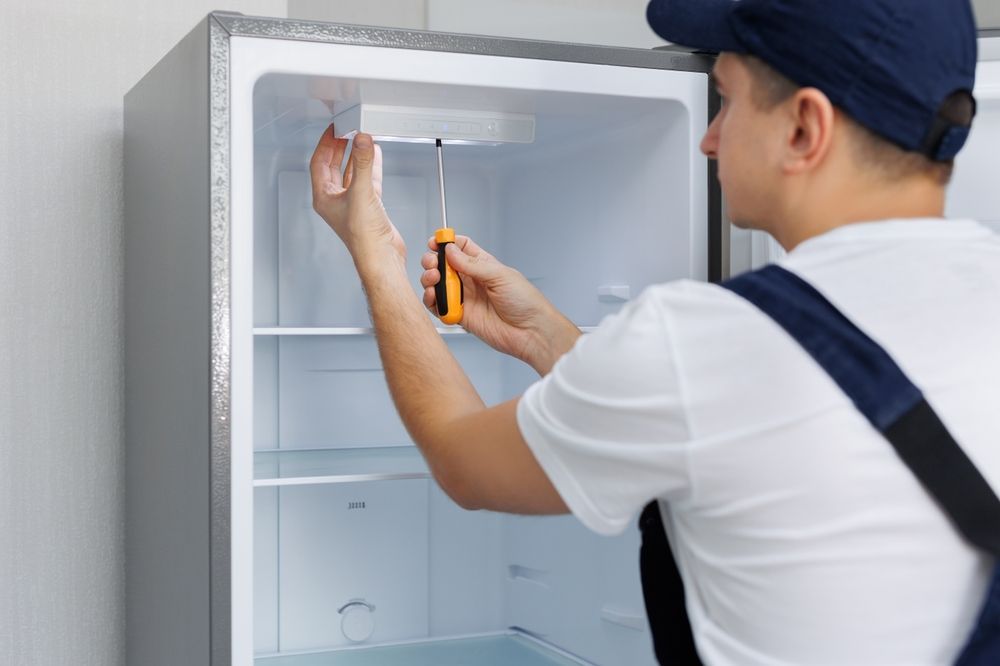
Commercial refrigeration equipment demands consistent care to operate efficiently and maintain its longevity. While basic cleaning tasks can be performed by staff members, scheduling professional maintenance services ensures thorough inspections and optimal performance.
Recommended Maintenance Checklist:
• Wipe down interior surfaces weekly using appropriate cleaning solutions and sanitizers
• Clean exterior panels regularly to prevent corrosion and maintain professional appearance
• Vacuum or brush condenser coils with compressed air or soft brushes monthly
• Clean evaporator coils using approved coil cleaners and comb tools
• Replace air filters according to manufacturer specifications
• Flush drain lines and inspect drain pans for blockages
• Examine door gaskets for wear and replace if damaged
• Clear any water buildup and maintain dry storage conditions
Establishing a maintenance agreement with qualified HVAC technicians ensures these critical tasks are completed regularly and professionally.
Knowing When to Repair or Replace Your Equipment
The decision between repairing and replacing commercial refrigeration equipment depends on several factors including the unit's age, condition, and your facility's operational demands. Older equipment may require more frequent service calls, while high-volume operations might need more regular attention than smaller setups.
Industry experts suggest that units exceeding ten years of service often benefit more from replacement than continued repairs. Modern refrigeration technology has advanced significantly, offering improved energy efficiency that can offset purchase costs through reduced utility expenses.
Warning Signs That Indicate Potential Problems:
• Food items not maintaining proper cool or frozen temperatures
• Visible frost accumulation on interior surfaces or products
• Water pooling around the base of the unit
• Unusual sounds such as grinding, clicking, or excessive humming
• Noticeable increases in monthly energy bills
Addressing these symptoms promptly prevents food spoilage, protects your investment, and minimizes potential repair expenses down the road.
Your Partner in Commercial Refrigeration
Whether you're outfitting a new commercial kitchen or upgrading existing equipment, selecting the right refrigeration solution is crucial for your operation's success. Quality commercial refrigeration keeps your products fresh, your customers satisfied, and your business running smoothly.
Explore our selection of commercial-grade refrigeration equipment designed for durability, efficiency, and reliable performance in demanding environments.