

Homeowners love their backyard grills — whether it's a compact portable for weekends at the lake, a mid-size unit on the patio, or a full built-in setup anchoring an outdoor kitchen. These appliances turn a simple evening into an event.
Still, we hear the same complaint from time to time: the grill just doesn't feel hot enough. Steaks aren't searing, burgers are sweating instead of crusting, and the whole cook feels flat.
Good news — there's a two-step fix, and it costs absolutely nothing:
Yes, really. That's the whole trick.
If you'd like to know why this works so well, let's walk through the two cooking styles every backyard chef should understand: direct heat and natural convection.
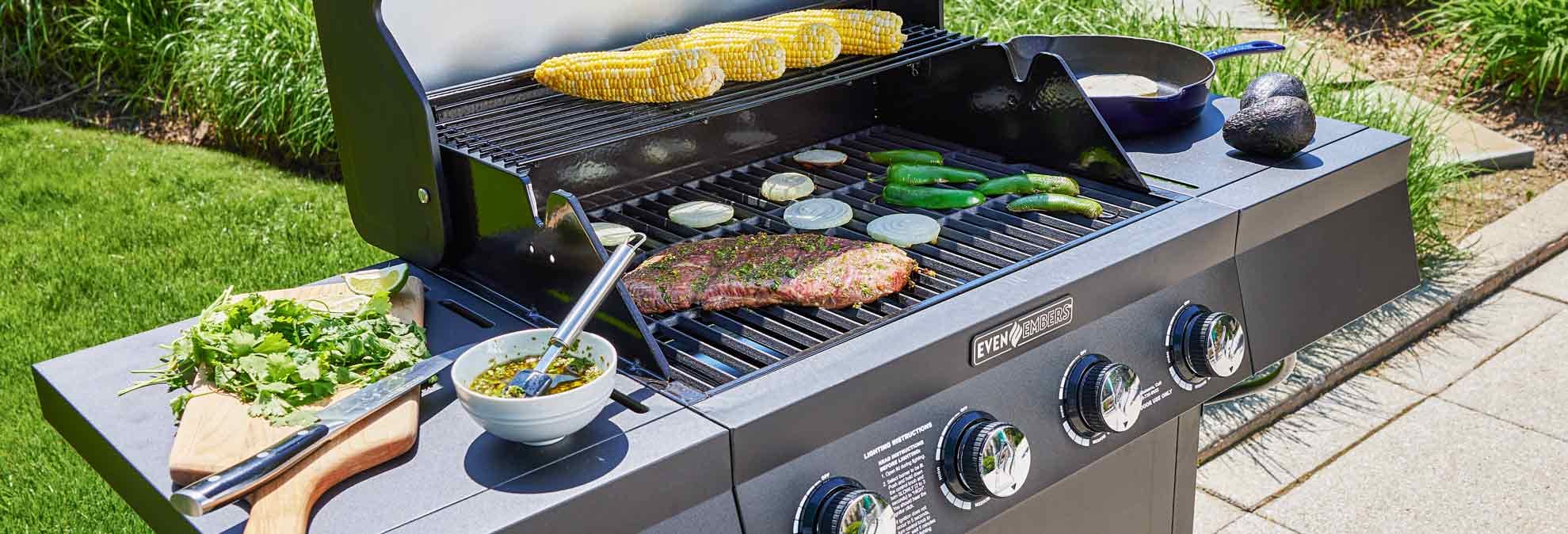 Direct cooking
A grill, at its core, is about as simple as home appliances get — a hot metal surface and a flame underneath. So simple, in fact, that anyone with scrap metal and a few bricks could rig one up in an afternoon.
Direct cooking is exactly what it sounds like: the food sits on the grates, flames roar below, and heat transfers straight into the meat through contact. It's fast, it's dramatic, and it's what most people picture when they think "barbecue."
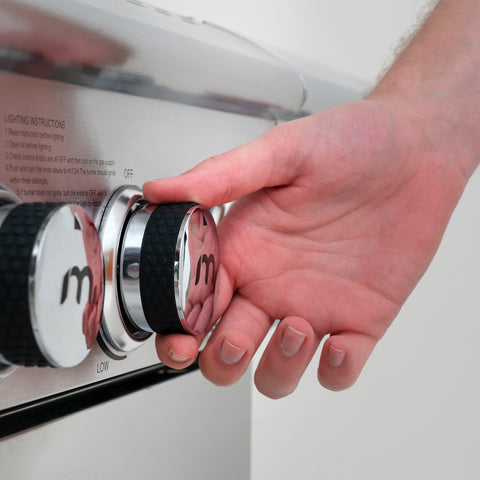
Natural convection
Many modern grills — especially hooded models and premium built-ins — are engineered to cook a different way. Rather than relying only on that single hot surface, they trap heat under a closed lid and circulate it all around the food, searing the bottom while hot air cooks the top.
To get the most out of this design, fire up the grill with the lid raised, then close it and let the chamber preheat for around 10 minutes. Once it's properly hot, lay your food on the grates, drop the lid, and leave it alone — at least until it's time to flip.
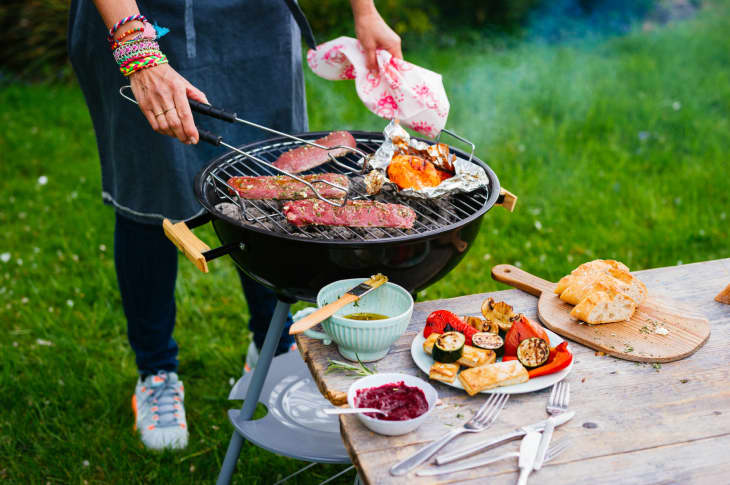
Why the closed-lid method wins
You might be thinking, "I bought a grill, not an oven — and half the fun of BBQ is hovering over the flames with a drink in one hand, tongs in the other." Fair point. Stepping away from the grill takes a little discipline.
But the payoff is real. Once you experience what a properly preheated, lid-down cook does to a thick ribeye or a rack of chicken, there's no going back.
So if your grill isn't quite delivering that steakhouse-level sear you were hoping for, don't blame the burners yet. Try closing the lid, giving it a proper preheat, and letting natural convection do its thing. It takes a little adjustment — and a little trust — but it's worth every minute you're not hovering over the flames.
Built for serious backyard cooking
If you're ready to upgrade from "good enough" to a true outdoor kitchen centerpiece, the Cal Flame P Series P6 built-in grill brings six powerful burners, rotisserie capability, a rear infrared burner, and integrated lighting to your backyard — engineered to hold heat, cook evenly, and look incredible doing it.
Shop the Cal Flame P6Not in the market for a new grill today? No problem. Have a look around Backyard Provider for top BBQ brands, outdoor kitchen gear, and everything else you need to make your backyard the best seat in the house.