

Industrial wood chippers are rugged, heavy-duty machines built to handle tree limbs, logs, brush, and bulky wood waste at scale. Unlike the lightweight consumer units built for backyard cleanup, industrial-grade chippers deliver the power, durability, and throughput professional crews rely on every day for commercial tree care, landscaping operations, land clearing contracts, and municipal work.
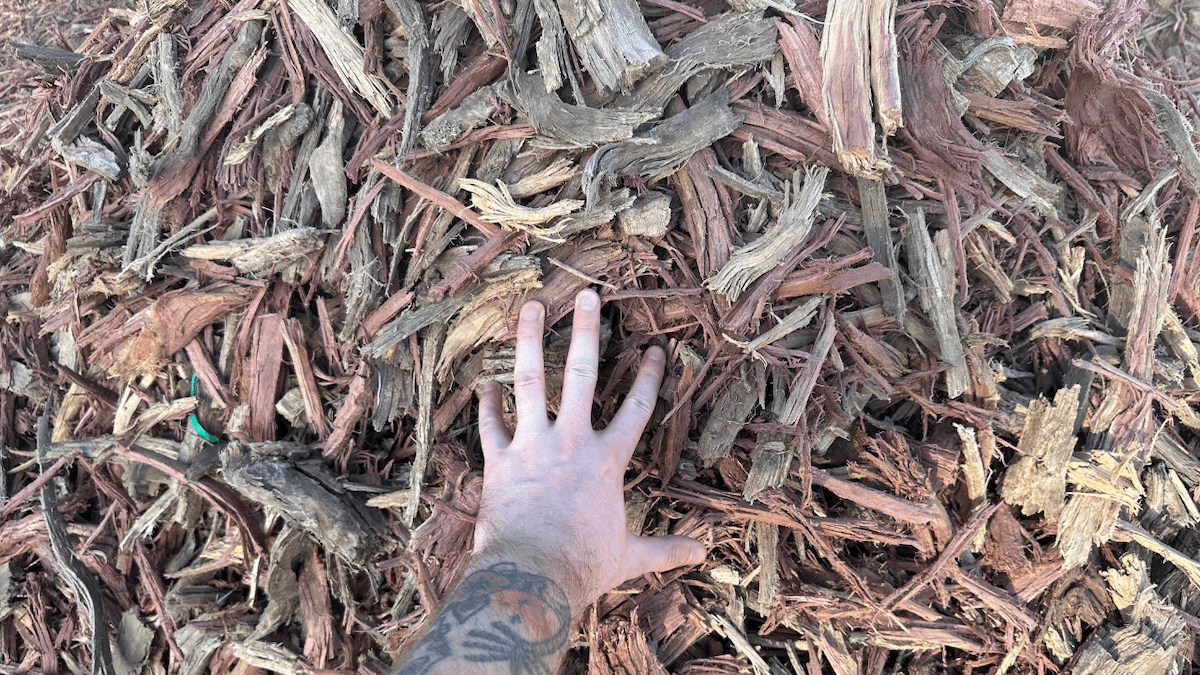
These machines are engineered with reinforced hoppers, high-torque infeed systems, and commercial-grade powerplants to handle hardwoods, whole trees, and large volumes of raw material. Industrial wood chippers support chip production on demand, replace backbreaking manual cutting, cut down on hauling costs, and produce consistent wood chips ready to be reused or sold — all while boosting efficiency and shrinking operating costs on demanding worksites.
What an Industrial Wood Chipper Does
An industrial wood chipper pulls raw wood material into a chipping chamber using a short disc, drum, or high-performance cutting system. Sharpened, hardened blades bolted to that cutting mechanism bite into the wood and reduce it to uniform chips. Because industrial chippers are engineered for continuous operation, they're ideal for applications such as:
- Land clearing and vegetation control
- Tree service and arborist operations
- Commercial landscaping crews
- Sawmill waste reduction and recovery
- Biomass fuel preparation and recycling
- Construction and site clean-up projects
By automating the chipping process, these machines eliminate manual cutting, lower transportation expenses, and produce uniform chips suitable for mulching, composting, biomass fuel, or direct resale.
Types of Industrial Wood Chippers
Commercial operations pick their chippers based on capacity, how portable the unit needs to be, and the material they're processing most often. Here are the main categories:
Drum Chippers
Drum chippers use a rotating drum fitted with blades or teeth to produce evenly sized chips. They handle large volumes of hardwood and softwood, making them a solid pick for municipalities, tree care contractors, and large-scale land clearing crews needing dependable output.
Disc Chippers
Disc chippers use a steel disc with fixed blades to slice material into chips. These machines deliver clean chip quality and high output, which is why sawmills and operations producing biomass or landscape mulch favor them.
Tow-Behind Wood Chippers
Tow-behind chippers connect to work trucks and are widely used in tree care operations, landscaping fleets, and municipal crews. They offer strong portability, dependable capacity, and commercial-grade power without the cost of a self-powered chassis.
Self-Propelled Wood Chippers
Self-propelled chippers deliver exceptional maneuverability across rough terrain and tight off-road environments. They're often spec'd for land clearing work, right-of-way maintenance, and forestry jobs where truck access is limited.
Whole Tree Chippers
Whole tree chippers are heavy-duty, high-volume machines engineered to process entire trees and oversized logs. They're standard equipment for forestry crews, biomass fuel producers, and large-scale land clearing projects.
 Key Features of an Industrial Wood Chipper
A handful of core components set apart the performance, efficiency, and long-term durability of an industrial-grade chipper.
Horsepower & Power Systems
Commercial chippers run on high-horsepower diesel or gas engines, including Kohler and similar industrial brands. More horsepower translates directly into greater chipping capacity and stronger field performance in demanding conditions.
Infeed System
Pro-grade infeed rollers, feed trays, and hydraulic assist systems pull material smoothly into the cutting chamber. High-performance infeed setups are engineered to reduce operator strain and maximize overall output.
Hopper Design
A reinforced hopper handles bulky-diameter logs, tree limbs, and messy wood waste without clogging. Industrial hoppers make feeding easier for loaders and excavators through extended operating shifts.
Cutting System
Drum and disc setups determine chip size, final efficiency, and cutting power. Adjustable chip size configurations let operators dial in chip output for mulch, compost, or biomass fuel applications.
Durability & Heavy-Duty Build
Industrial chippers bring reinforced frames, swappable wear parts, commercial bearings, and top-grade steel construction so they can withstand continuous use in tough production environments.
Mobility Options
Tow-behind and self-propelled designs give operators the ability to shift equipment around worksites, move between jobs, and gain access to difficult, hard-to-reach terrain.
Ready to Take on Wood Waste?
Start with a trusted, high-performance chipper built for real yard work and professional use.
Shop Super Handy GUO148Applications Across Commercial Wood Waste Management
Industrial wood chippers have earned a key place in tree care and arborist operations, where crews regularly take on limbs, full trunk sections after removals, pruning waste, and storm cleanup. Tow-behind and self-propelled chippers let tree service companies process material in the field, trimming hauling volume and accelerating site cleanup while producing clean, sellable chips for resale or reuse.
In land clearing and right-of-way work, contractors frequently reach for industrial drum and whole-tree chippers to help them tackle big volumes of mixed wood debris. These machines cut down on brush, allowing crews to maintain productivity on large parcels of land and generate biomass or mulch material right from a single location. Their throughput and reliability make them foundational equipment for forestry crews, right-of-way maintenance teams, and large land development initiatives.
Sawmills also lean on industrial-grade chippers to reduce slabs, offcuts, and mill trim into usable wood-chip output. Whether chips feed biomass boilers or get sold off as landscape mulch, used inside the mill as boiler fuel, or supplied to downstream users in the biomass sector, converting sawmill waste into usable product keeps the recovery cycle running. By turning waste products into salable material, chippers help operations improve efficiency and reduce disposal costs.
Municipal green waste sites use chippers to process brush, leaf piles, and storm debris from residential collection operations. This allows towns to reduce landfill volume and generate usable compost or mulch for public works projects. For towns sending seasonal surges in yard waste, industrial chippers deliver a dependable way to manage material quickly and safely.
Across the recycling-energy space, wood chips generated by industrial chippers are an important feedstock for biomass facilities. These chips fuel energy production operations that turn organic material into renewable heat, helping towns and regional utilities reduce their reliance on fossil fuels and push further along toward sustainable waste-to-energy solutions.
Benefits of Using an Industrial Wood Chipper
Industrial wood chippers bring significant productivity and economic benefits to the operations that run them:
- Strong chipping throughput and nonstop operating performance
- Capacity to work through hardwoods, oversized limbs, and full trees
- Lower hauling costs and reduced disposal expenses
- Consistent chip sizing ideal for mulch and compost applications
- Heavy-duty durability to withstand demanding operating environments
- Increased cleanup speed across commercial job sites
- Versatility across jobsite needs, crew type, and workflow
Bottom line: These machines deliver reliable, commercial-level performance for crews that need steady output and long-term durability from every season of work.
Frequently Asked Questions About Industrial Wood Chippers
What's the difference between an industrial wood chipper and a chipper shredder?
Industrial chippers rely on drum or disc systems built for high-volume commercial work, while chipper shredders are compact machines designed for light backyard debris and homeowner-scale use.
How is chip size controlled?
Drum and disc chippers both feature adjustable blade configurations or screens that let operators dial in chip output based on the end-use requirement.
Can industrial wood chippers handle hardwood?
Yes. Heavy-duty drum chippers and large whole-tree chippers are engineered to process dense hardwood reliably and with consistent efficiency.
What size material can an industrial wood chipper handle?
Capacity varies, but many commercial machines handle material ranging from 10 inches up to full-size trees, depending on the horsepower and cutting system selected.
Are tow-behind chippers suitable for commercial work?
Yes. Tow-behind wood chippers are widely used by tree care companies, municipal crews, and landscaping contractors thanks to their mobility and output performance.
Get Started With the Right Chipper
The Super Handy GUO148 delivers a 4" chipping capacity and 9 HP gas engine — ideal for knocking out branches, brush, and yard waste fast.
Shop Super Handy GUO148