

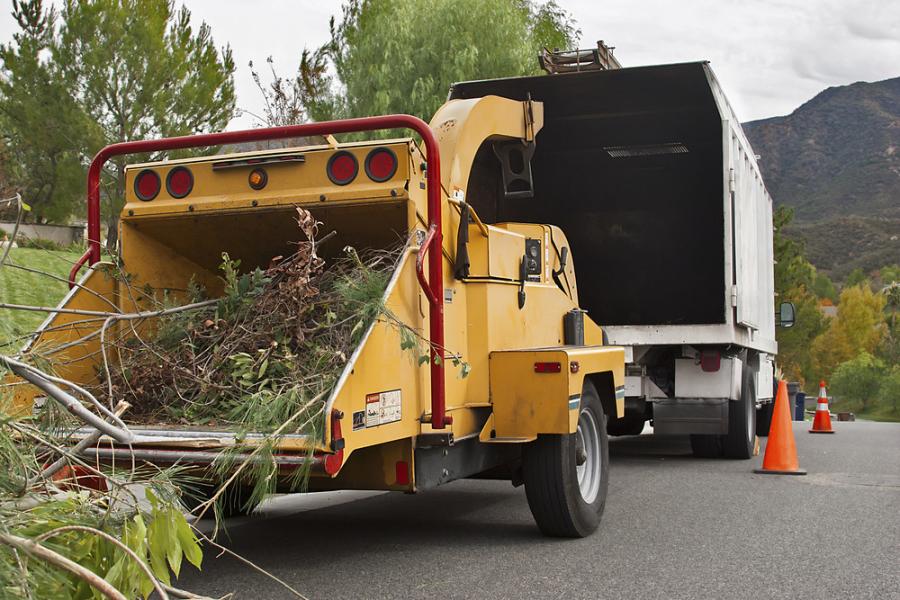
 Wood chippers are a clever combination of working parts — typically a feed hopper, a safety collar, a cutting chamber, and a collection area for the finished material. Most models run on a gasoline or propane engine, though electric versions have become widely available. Horsepower ratings vary significantly based on size and purpose, and the mechanical choices behind each machine directly shape what it can handle. Understanding how these machines work reveals why one model produces mulch while another spits out clean wood chips.
Every wood chipper shares the same foundation: a hopper that receives the material, belts and pulleys that transfer engine power, and either blades, rollers, or hammers that process the branches. The cutting mechanism determines the final output — wood chips for landscaping or fine mulch for garden beds. And as a general rule, the bigger the machine, the thicker the branch it can swallow.
The Main Cutting Mechanisms Found in Wood Chippers
Drum Chippers
These machines rely on a powerful motor that spins a heavy drum inside the chamber. The drum grabs branches and pulls them toward the blades automatically. They chew through material fast, but they're loud, vibration-heavy, and require a careful eye to prevent jams or blockages.
Disk Chippers
Disk models feature a steel disk fitted with angled blades that slice material into neat wood chips. Often driven by a hydraulic system, the wheels on these units deliver a wide spread of sizes and horsepower options to match the job at hand.
High Torque Rollers
Common in electric chippers, high torque rollers run quieter than gas drum units — a favorite feature for homeowners with close neighbors. They grind rather than slice, producing a coarser output suited to garden mulching and composting.
Tree Processors & Tub Grinders
Whole tree processors can handle trunks up to six feet in length, while tub grinders pulverize material up to eight feet wide. These industrial units are the workhorses of professional arborists and commercial pruning crews.
How Loud Is a Wood Chipper?
There's no getting around it — wood chippers are loud. Between the suction of material, the violent chopping action, and the high-velocity ejection of chips, these machines produce a serious wall of sound. Gas-powered units typically run around 110 decibels, roughly the volume of a running chainsaw. Electric models tend to be friendlier on the ears, landing closer to 85 decibels, but that's still loud enough to warrant hearing protection.
Any operator planning to run a chipper for more than a few minutes — whether a professional crew or a weekend homeowner renting a unit — should wear proper ear protection. Extended exposure without it leads to gradual, permanent hearing damage. Quality earmuffs or custom-fitted earplugs are both effective options.
:max_bytes(150000):strip_icc()/spr-champion-power-equipment-2-in-1-upright-gas-wood-chipper-laura-hard-08-10a0ca6110ce491198f203b48714270c.jpeg)
Keeping Your Wood Chipper Running at Peak Performance
Maintenance is what separates a chipper that lasts years from one that fails in a single season. Gary McKeag, a brush chipper service technician at Vermeer Corporation, consistently recommends two key routines that have a major influence on both performance and machine longevity.
First, grease the cutter drum or disc bearings after every use — while the machine is still warm. Fresh grease displaces any lingering debris, and it pushes moisture out before it can settle into the bearings and cause corrosion or wear.
Second, inspect the blades after each use for any damage. The knives handle the real cutting load, and a dull or chipped blade means more strain on the drivetrain and a lower-quality chip. Keep the blades sharp and replace or sharpen them the moment they no longer cut cleanly. Always torque the mounting hardware to the manufacturer's specification.
The anvil — the bar the blades cut against — deserves its own attention. Restore it to factory standards by sending it to a sharpening service or, if access allows, cleaning it yourself. When a machine is ignored, chips, shells, bark, and twigs build up on the switches, controls, and hitch and start to interfere with operation.
Before every job, do a quick walk-around. Look for anything obviously wrong: a loose hydraulic fitting, a chafed hose, a missing bolt or clamp. Handle the repair yourself if it's simple, or schedule professional service before it turns into downtime on the job.
Take particular care with the anvil. According to Bandit Industries, verifying that the blades stay aligned with a properly adjusted anvil is non-negotiable. Mismatched or worn components create excessive vibration that shakes fuel economy and production metrics, while also accelerating wear on every part of the cutting system. Each time blades are sharpened or swapped, re-adjust the anvil to match.
How to Clear a Clogged Wood Chipper
A clogged chipper is one of the most common frustrations owners deal with. A serious clog may warrant a trip to the service shop, but plenty of blockages can be cleared safely at home with a patient, methodical approach. Here's how to handle it without breaking the machine — or yourself.
- Disconnect the spark plug first. Always. Even if you're certain the motor is off, an unintended start while your hand is inside the feed chute is a catastrophe waiting to happen.
- Unlock and raise the exit guard to access the exit screen. Once visible, clear away any pieces from the chute by hand. Large chunks can be grabbed directly; smaller shards should be swept out with a nose plier tool.
- Drop the metal screen guard and clean it thoroughly — this part controls everything downstream. Slide the guard back into position, lock the exit guard, and make sure everything is clean and secure before attempting to restart.
If the Easy Fix Doesn't Work
- As before, disconnect the spark plug. Safety never gets old, no matter how frustrated you are.
- Raise the exit guard again. If the bolts feel stubborn, loosen them gently rather than forcing them — pulling hard can strip threads on a warm aluminum housing.
- Take note that most screens aren't reversible or double-sided, so keep track of the correct orientation as you remove them.
- Pull the starter cord to expose the flails and give yourself access to the remaining obstruction. Work in small increments, tugging the cord a few times, stopping to look, and clearing debris before tugging again. Reach in and free material to allow the screen to turn.
Continue with this approach — pulling, checking, clearing — until all of the flails rotate freely and any remaining flails respond. The cleared flails indicate which areas still need attention.
Occasionally, chippers and shredders become clogged in a way that mimics a mechanical problem, especially when the material being fed in is damp. If this happens, try the following three-step trick:
- Lower the exit guard and lock it back into place. Reconnect the ignition wire. Try to start the chipper again — sometimes the added force from a fresh start is all it takes to blast through a stubborn clog.
- If it doesn't start right away, be patient. Attempting to force it only accelerates wear on the starter mechanism. Wait a few minutes, then try again.
- Once it fires up, let it run for a few minutes before shutting it down to reinstall the exit guard and tighten all bolts. Finally, lower the exit chute and lock it securely.
If your machine works but continues to clog at the same spot, stop feeding the previous batch of material — it's usually the culprit. Damp bark can gum up chippers and shredders alike, while material that's too brittle or dry won't feed smoothly and tends to bounce out.
If none of these steps solve the problem, it's time to call in a professional. Not only can a certified technician help diagnose or dislodge the remaining blockages, but they'll also identify whether your chipper has a deeper mechanical issue before it turns into a larger repair bill.
Ready to Upgrade Your Yard Work?
Handle branches, brush, and garden debris with a reliable machine built for real homeowner use. The Super Handy GUO148 delivers 9 HP of gas-powered cutting force with a 4" branch capacity — perfect for keeping your property clean and tidy year-round.
Shop the GUO148