

A wood chipper is one of the hardest-working machines in any backyard cleanup. It turns fallen branches, pruned limbs, and storm debris into useful mulch in minutes. But these machines deserve respect. Used properly, a chipper saves you countless hours of hauling and bagging. Used carelessly, it can cause serious harm. This guide walks you through the essentials so you can run yours with confidence.
Understanding Chipper Injury Risks
Before you pull the starter cord, it helps to know where most chipper accidents come from. Injury data from across the industry points to a few repeating patterns, and nearly all of them trace back to operator error or skipped safety steps. The chart below breaks down the most common incident categories reported each year.
Common Wood Chipper Incident Categories
Safety Tips Every Operator Should Follow
To stay protected while you work, build these habits into every session:
- Stand to the side of the feed chute, never directly in front of it.
- Feed branches butt end first so the blades grab the heavy end.
- Use a push stick or long limb to guide material; never use your hands.
- Wear safety glasses, hearing protection, gloves, a hard hat, and sturdy boots.
- Keep the work area clear. Do not let children or pets come near the machine.
- Inspect every branch for embedded rocks, nails, or metal before feeding it in.
- Never reach into the hopper. Clear jams only after the engine is off.
- Shut off and unplug or disconnect the chipper before fixing any blockage.
- Stay alert and focused. Fatigue and distraction cause most serious injuries.
- Handle fuel carefully. Turn off the engine, let it cool, and refuel outdoors.
- Only trained, experienced operators should run the machine.
Always read and follow the manufacturer's safety manual. Never remove the guards, shields, or safety devices built into your chipper.
Maintenance That Extends Machine Life
Consistent upkeep is what separates a chipper that lasts fifteen years from one that quits after five. When you stay on top of maintenance, your machine runs cleaner, cuts faster, and protects you from the hazards caused by dull blades and worn parts. Skip the service intervals and you will see performance drop off quickly, especially if you run the chipper often.
Here is a simple maintenance schedule to keep yours in top shape:
| Maintenance Task | Frequency |
|---|---|
| Check engine oil level | Before each use |
| Inspect overall equipment condition | Before each use |
| Confirm flywheel spins freely | Before each use |
| Examine blades for nicks or damage | Before each use |
| Sharpen blades and wear plate | Every 8-10 hours |
| Grease bearings and moving parts | Every 8-10 hours |
| Clean engine housing and cooling fins | Every 8-10 hours |
| Check or replace drive belt | Every 40 hours |
| Change engine oil and filter | Every 40 hours |
| Check or replace spark plug | Every 40 hours |
| Check or replace air filter | Every 40 hours |
Step up the service schedule if you work in dusty or dirty conditions. Always power down the chipper and wait for all motion to stop before touching anything internal. Stick with manufacturer-approved replacement parts. Dull blades force the engine to work harder, burn extra fuel, and increase the risk of kickback. Swap or sharpen blades the moment cuts turn uneven or the engine starts straining. Clear out accumulated chips and debris after every session to prevent jams and long-term damage.
A clean, well-maintained chipper that follows safe operating rules will reward you with years of dependable performance.
 Choosing the Right Chipper for Your Yard
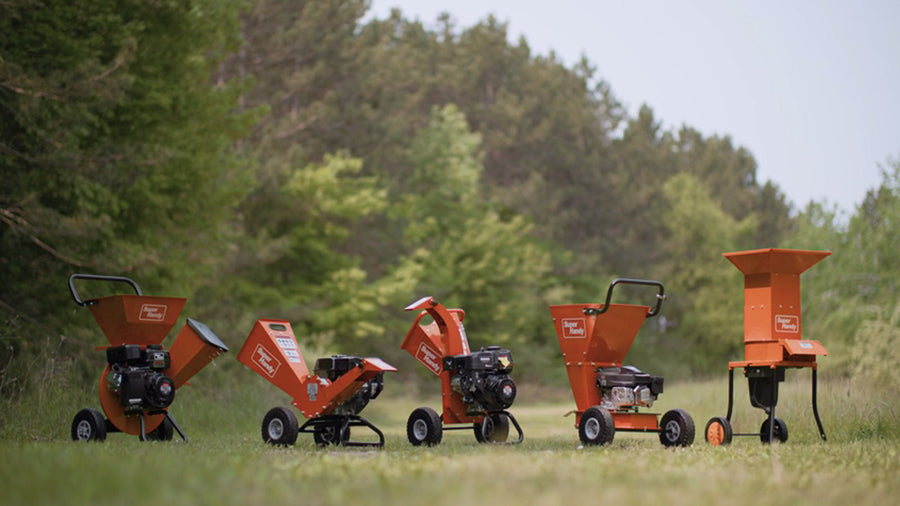
A quality chipper transforms yard waste into mulch or compost you can put right back onto your garden beds. The key is picking a model that matches the size of your property and the kind of debris you produce. Make sure the unit has enough engine power for your workload, look for features that make feeding wood simple and intuitive, and confirm it is easy to move around and safe to operate.
- Verify the chipper can process the thickest branches you typically cut.
- Think about your budget and how frequently you plan to run it.
- Always wear full protective gear and follow every care guideline.
For the best outcome, compare several models side by side and talk with landscapers or experienced operators before making your choice.
Ready to upgrade your yard cleanup with a proven, hard-working machine?
Shop Super Handy GUO148Frequently Asked Questions
How do I know what size wood chipper I need?
Measure the thickest branch you plan to process regularly. Then pick a chipper with a feed opening at least one inch wider than that diameter. The extra clearance prevents jams and keeps the engine running smoothly throughout long sessions.
Can I run wet wood or leaves through a chipper?
Most standard chippers perform best with dry material. Wet wood and damp leaves can clog the blades and slow the machine. If you need to handle green yard waste, look for a chipper-shredder specifically built to process mixed debris.
How often should the blades be sharpened?
Inspect the blades after every use. Sharpen them every eight to ten hours of active chipping. Dull edges force the machine to strain, burn extra fuel, and raise the chance of a jam or kickback.
What safety gear is required to operate one?
Always wear safety glasses, gloves, hearing protection, and solid work boots. A hard hat and close-fitting clothing add another layer of defense against flying chips and rotating parts. Loose sleeves and jewelry have no place near the feed chute.
Pair your safety gear with slow, deliberate feeding and you reduce the odds of injury dramatically.
Can I rent a wood chipper instead of buying one?
Yes. Most hardware stores and equipment rental outlets carry chippers by the day or weekend. Renting makes sense if you only need the machine for a single cleanup project. If you handle yard waste regularly, though, ownership almost always pays off within a season or two.
Tackle every branch and limb with confidence. This 4-inch, 9 HP workhorse is built for serious backyard cleanup.
Shop Super Handy GUO148