

Starting any construction or masonry project means making one decision before you ever break ground: which mixer will actually do the job right? Two machines dominate the conversation — the mortar mixer and the concrete mixer. At a glance they look like close cousins, but they're engineered for completely different materials and purposes. Knowing exactly how each one works, and where it shines, is what separates a clean, lasting build from a frustrating do-over.
 What is a Mortar Mixer?
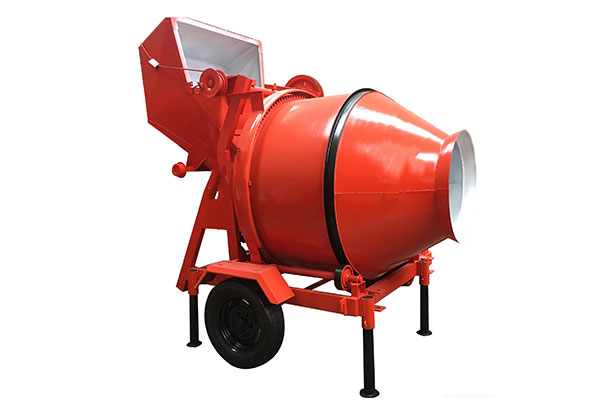
A mortar mixer is purpose-built to blend mortar — the bonding agent made from cement, sand, and water that holds bricks, blocks, and stone firmly in place. What sets it apart mechanically is its fixed drum paired with rotating internal paddles. Those paddles sweep along the drum walls, folding and scraping the mix until every grain of sand and particle of cement is uniformly hydrated. The result is a smooth, sticky, workable mortar with no dry pockets or lumps.
Key Features of Mortar Mixers:
- Stationary Drum: The drum itself stays put while paddles do the mixing work inside. This configuration is ideal for thick, cohesive materials like mortar, plaster, stucco, and grout that would cling stubbornly to a rotating drum.
- Horizontal Paddles: Positioned to constantly agitate the mix, the paddles deliver the aggressive blending action sticky mortar demands — sharply reducing the risk of dry clumps or uneven texture.
- Compact Capacity: Mortar mixers are generally smaller than concrete mixers because masonry work calls for measured, manageable batches rather than massive volumes.
What is a Concrete Mixer?
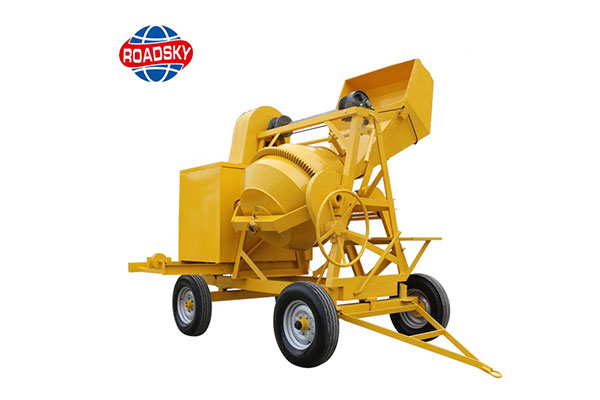
A concrete mixer — often called a cement mixer — is designed to produce concrete, a coarser composite of cement, sand, gravel, and water. Concrete is the backbone of heavy structural work: foundations, driveways, footings, patios, and slabs. Because it contains chunky aggregate, concrete needs a fundamentally different mixing approach, which is why these machines are built around a rotating drum rather than stationary paddles.
Key Features of Concrete Mixers:
- Rotating Drum: The drum itself turns and tilts for pouring. This constant rotation uses gravity and internal fins to toss and tumble heavier materials like gravel so nothing settles at the bottom.
- Inclined Design: The angled drum geometry, combined with built-in blades, creates a tumbling motion that handles large aggregate more efficiently than any paddle system could.
- Larger Capacity: Concrete mixers are sized for serious volume. They're the workhorse of job sites where pouring slabs, footings, and foundations demands batch after batch of mix.
Key Differences Between Mortar Mixers and Concrete Mixers
Mortar Mixer
- Material: Sticky, fine mixes — mortar, plaster, stucco, grout
- Action: Stationary drum with rotating paddles
- Capacity: Smaller, batch-oriented
- Best For: Bricklaying, stonework, tiling, plastering
Concrete Mixer
- Material: Coarse, aggregate-heavy concrete
- Action: Rotating drum with internal blades
- Capacity: Larger, high-volume output
- Best For: Foundations, slabs, driveways, patios
- Material Consistency: The biggest split is what each machine was built to handle. Mortar mixers manage thick, viscous mixes like mortar and plaster. Concrete mixers are made for fluid, aggregate-heavy concrete.
- Mixing Mechanism: Stationary drum plus moving paddles (mortar) versus rotating drum plus internal fins (concrete). Different physics for different materials.
- Size and Capacity: Concrete mixers run larger because structural pours demand volume. Mortar mixers stay compact because masonry work is measured and deliberate.
- Type of Projects: Mortar mixers belong on bricklaying, tiling, and plastering jobs. Concrete mixers belong wherever durable structural pours are needed.
Choosing the Right Mixer for Your Project
Matching the machine to the job is what protects your time, your budget, and the integrity of the finished work.
- For Masonry and Finishing Work: If your project involves bricklaying, stonework, plastering, or tiling, a mortar mixer is the clear pick. It's tuned to produce a smooth, consistent mix that spreads and sets the way masonry work requires.
- For Large Structural Work: If you're pouring a foundation, driveway, patio, or slab, a concrete mixer is the only sensible choice. Its volume and rotating action handle aggregate-heavy loads that a paddle mixer simply can't touch.
Conclusion
Understanding the line between a mortar mixer and a concrete mixer isn't a technicality — it's the foundation of doing the work right. Each machine exists for a specific class of material, and pairing the correct mixer with the correct job guarantees a properly blended, structurally sound finish. Whether you're laying brick, plastering a wall, or pouring a slab, choosing the right mixer upfront saves you time, money, and rework down the road — and leaves you with a build that stands the test of time.