

When it comes to eliminating smoke, airborne grease, and lingering cooking odors, range hoods are an indispensable part of any well-equipped kitchen. Understanding the individual parts of a range hood — and how they function together — can help you identify when something needs attention or replacement. Use this guide to learn about the most common range hood components and where each one is located.
What Are the Components of a Range Hood?
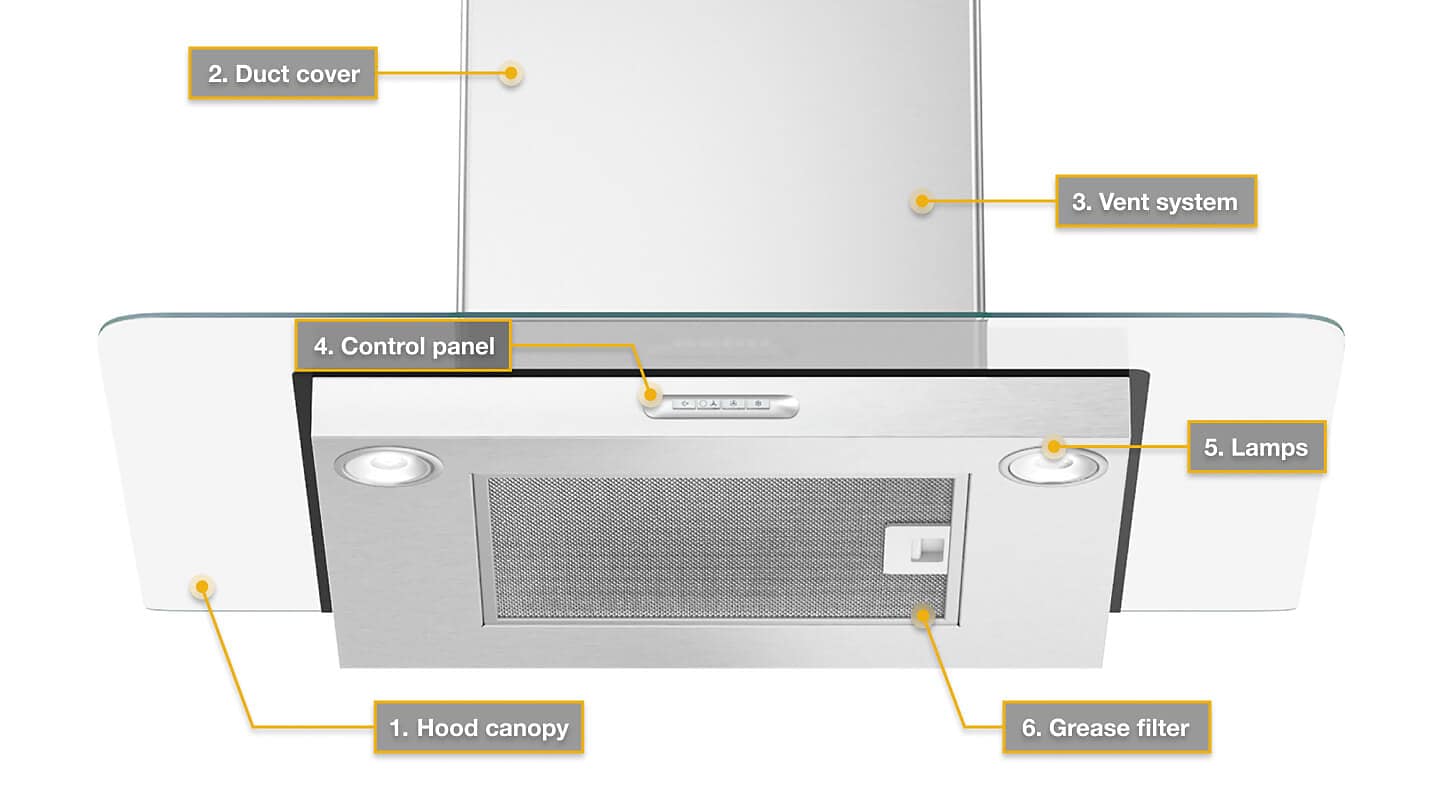
Below is a helpful overview showing where each major part is typically found on a standard range hood unit.
1. Hood Canopy
The canopy is the main exterior shell that forms the body of the range hood. It serves as the housing for all internal components and typically contains the control panel, lighting fixtures, and grease filter underneath. The canopy is the most visible part of the unit and comes in a variety of styles to match different kitchen designs.
2. Duct Cover
Positioned above the canopy, the duct cover conceals the ventilation ductwork that connects the hood to an outside exhaust point. Depending on the model and kitchen layout, the duct system may route through the ceiling or along the wall. The duct cover gives the installation a seamless, polished appearance while hiding the functional components behind it.
3. Ventilation System
The ventilation system is responsible for pulling smoke, steam, and cooking odors away from your stovetop. This system is composed of several sub-components — including the blower — that work together to direct air either outside through ductwork or through a recirculating filter. Most of these elements are housed inside the duct cover area.
4. Control Panel
Usually mounted along the front edge of the canopy, the control panel houses all the buttons, switches, or digital displays needed to operate the range hood. From here, you can toggle the lights, adjust the fan speed, and activate any additional features your model may offer. Some higher-end units include touch-sensitive or remote-controlled panels for added convenience.
5. Lighting Fixtures
Built into the underside of the hood canopy, the lighting fixtures illuminate your cooktop and surrounding workspace. Beyond helping you see what you are cooking, many modern range hoods feature energy-efficient LED bulbs that provide bright, even task lighting. Some units also offer adjustable brightness levels so you can fine-tune the ambiance while preparing meals.
6. Grease Filter
Located on the underside of the canopy, the grease filter captures grease particles and residue before they enter the ventilation system. This is a critical element of the range hood because it prevents grease buildup in the ductwork, which can reduce airflow and create a fire hazard. For best results, clean or replace your grease filters on a regular basis.
How Do You Know If Your Range Hood Is Vented or Not?
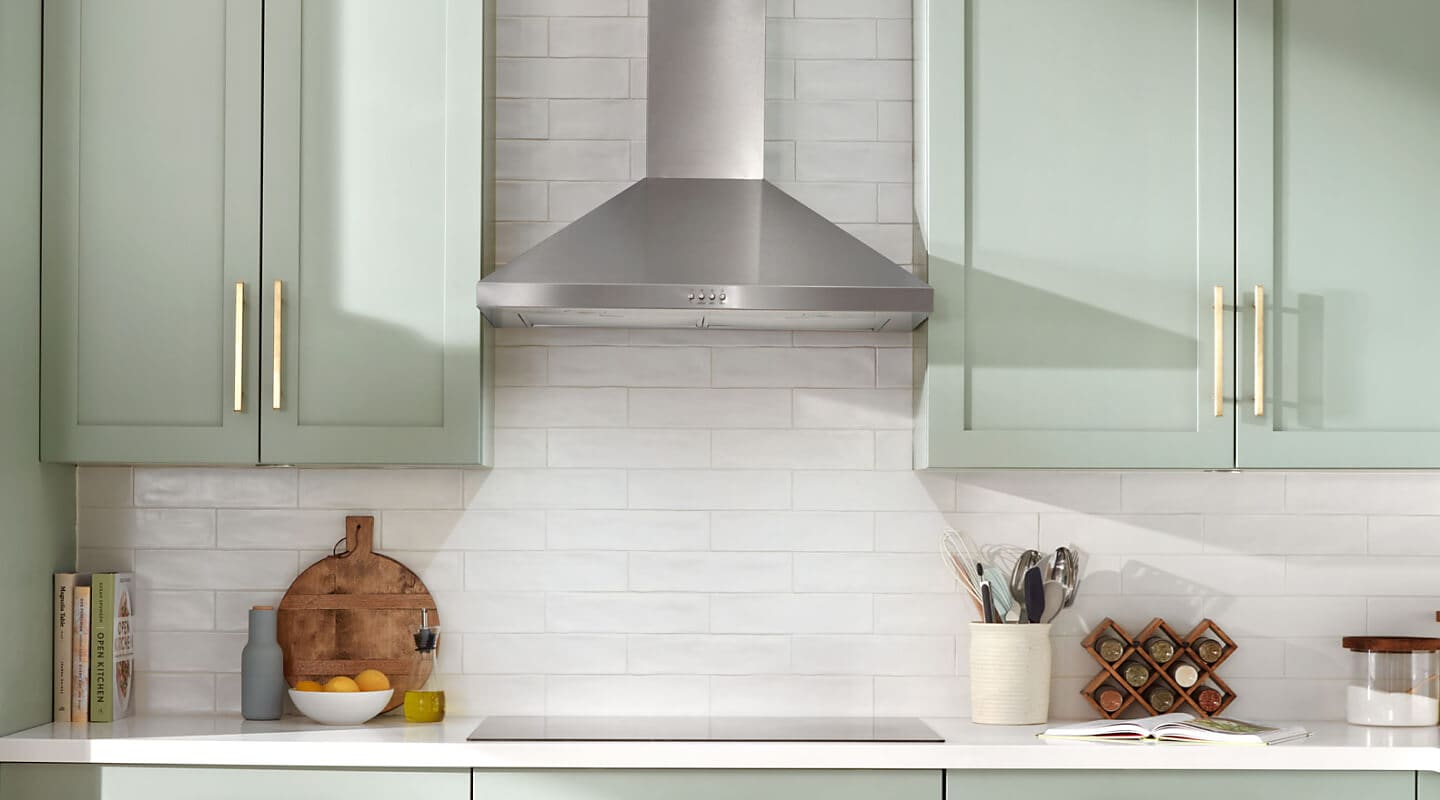
Although different range hood styles may appear similar at first glance, they can operate in very different ways. The primary distinction lies in how they handle the air they capture. Every range hood uses ventilation to remove grease and smoke, but the method of ventilation will vary based on the model — either ducted or ductless. Convertible models give you the flexibility to choose either configuration.
Ducted Range Hoods
Ducted range hoods vent contaminated air to the outside of your home through a duct system that passes through the wall, ceiling, or roof. This is the most common and effective venting method, particularly for canopy hoods, wall-mounted units, and range hoods installed over an island cooktop. Ducted systems are favored for their ability to fully remove smoke and odors from the kitchen.
Ductless Range Hoods
Ductless range hoods use a recirculating system that draws in air, passes it through a charcoal or carbon filter to neutralize odors and trap grease, and then pushes the cleaned air back into the kitchen. These units are ideal for kitchens without access to exterior ductwork and can be installed virtually anywhere. Keep in mind that the filters need periodic replacement for the hood to maintain peak performance.
Convertible Range Hoods
Convertible range hoods give homeowners the best of both worlds. Depending on your kitchen layout and whether ductwork is available, these units can be set up to operate as either a ducted or ductless system. Under-cabinet and canopy-style range hoods are the most commonly available convertible options, making them a versatile choice for new builds and renovations alike.
How Does a Range Hood Work?
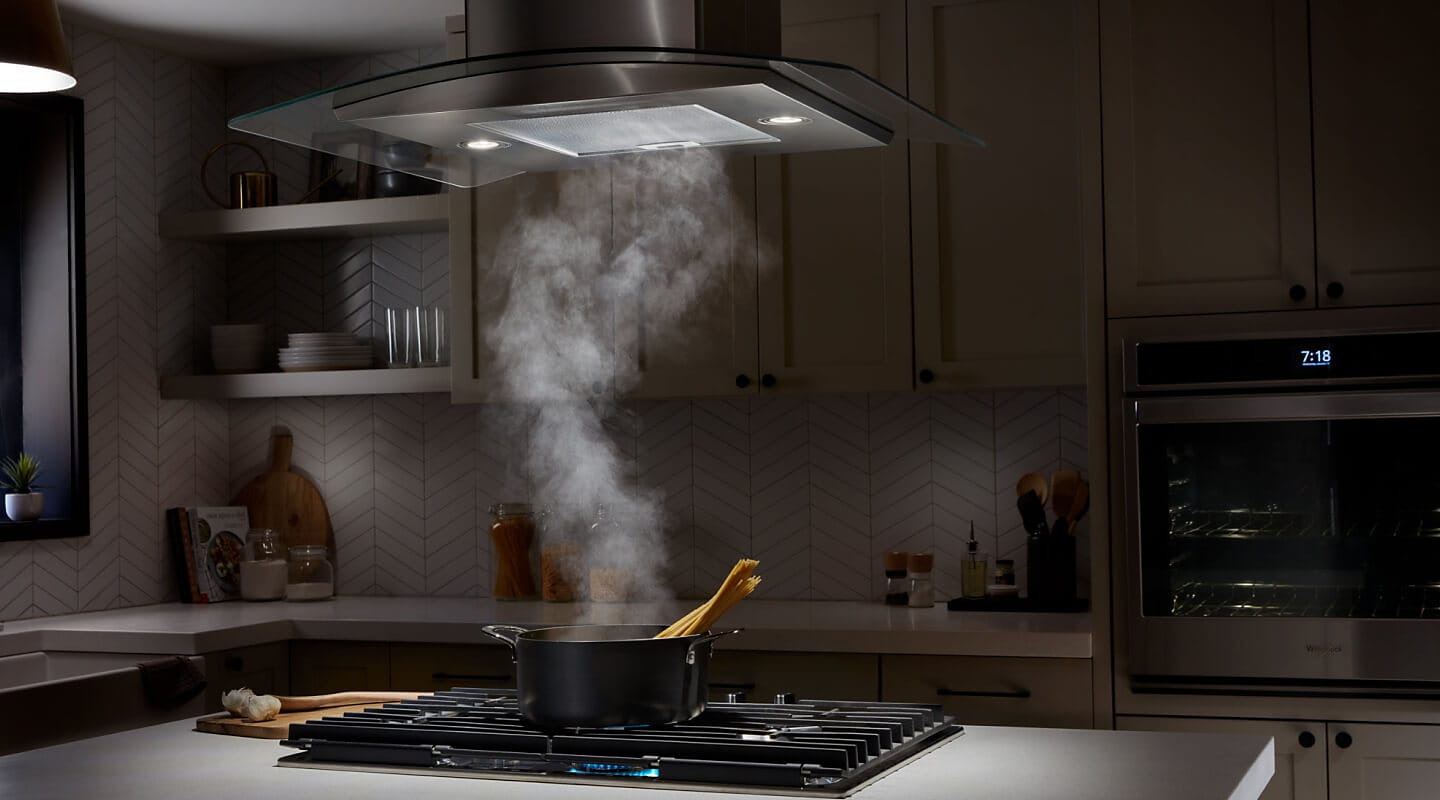
At its core, a range hood functions as a ventilation system designed to capture and remove unwanted fumes, vapor, smoke, and grease from your kitchen air while you cook. Some range hoods expel this air outdoors, while others recirculate it after filtering.
For optimal results, consider turning on the fan a few minutes before you begin cooking. This creates an initial draft that helps capture airborne contaminants from the very start. After you finish cooking, let the fan run for several additional minutes to clear any remaining smoke or steam from the air.
If your range hood operates on a ductless recirculating system, be sure to inspect and replace the filters according to the manufacturer's recommendations. Clean filters are essential for maintaining strong airflow and efficient odor removal.
What Are Some of the Features of a Range Hood?
Range hoods do far more than simply move air around — they play a central role in maintaining a clean, comfortable, and safe kitchen environment. When shopping for a range hood, it is worth exploring the full range of features available to find the right match for your cooking habits and kitchen layout.
Several factors influence which type of hood will integrate best into your home, from ventilation capacity and noise levels to aesthetic design and ease of use. Modern range hoods may include features such as multi-speed fan settings for precise airflow control, LED task lighting for improved cooktop visibility, and auto-shutoff timers for hands-free convenience. Some premium models also offer heat sensors that automatically adjust fan speed based on cooking intensity.
Find the Right Range Hood Replacement Parts
If you need replacement components for your range hood, it is important to select parts that are compatible with your specific make and model. Browse our selection to find the perfect fit for your kitchen setup.