

Whether it is safe to vent a range hood into your attic is a question that many homeowners wrestle with. Opinions vary, but one thing is clear — understanding how ventilation systems work and following local building codes is absolutely essential before any installation.
To meet code requirements, your range hood must direct exhaust to the outdoors. The only exception is a ductless (recirculating) hood paired with sufficient mechanical or natural airflow in the kitchen. In every case, routing exhaust into an attic is a poor practice. This guide covers the fundamentals of range hood ventilation and spells out exactly why attic venting should always be avoided.

Why You Should Never Vent Your Hood Into the Attic
Range hoods serve a vital purpose — they pull cooking grease, fumes, steam, and smoke out of your kitchen. But if those pollutants are simply dumped into your attic instead of being expelled outdoors, you are creating a host of problems right above your head.
Trapped airborne contaminants do not simply disappear. They accumulate, degrade building materials, and eventually circulate back into your living spaces. Below are the specific hazards you need to know about.
Moisture Buildup
Steam generated during cooking gets pulled through the ventilation system and trapped inside the attic. This excess moisture promotes wood decay and creates ideal conditions for mold and mildew growth — both of which pose health risks and structural damage to your home.
Condensation Damage
When hot kitchen air meets cold attic ductwork, water condenses and collects. Over time, this steady accumulation of water leads to mold growth, rotting wood, and water damage that can be expensive to repair.
Grease & Fire Hazard
Grease and smoke that become trapped in your attic settle onto walls, ceilings, and insulation. Because cooking oil is highly flammable, this greasy residue creates a genuine fire risk while simultaneously degrading your home's indoor air quality.
Food Particles & Pests
Tiny food particles carried by exhaust air settle in the attic and become a magnet for insects and rodents. What begins as a minor ventilation shortcut can quickly turn into a full-blown pest infestation. Venting outdoors eliminates this risk entirely.
Does a Range Hood Have to Vent Outside?
Ducted hoods — yes. A ducted range hood must always vent to the outdoors. The ductwork carries grease, fumes, and moisture completely out of the home.
Ductless hoods — no. A ductless (recirculating) range hood filters the kitchen air internally using charcoal filters and sends it back into the room, so no external vent is needed.
Key Considerations When Installing a Vented Range Hood
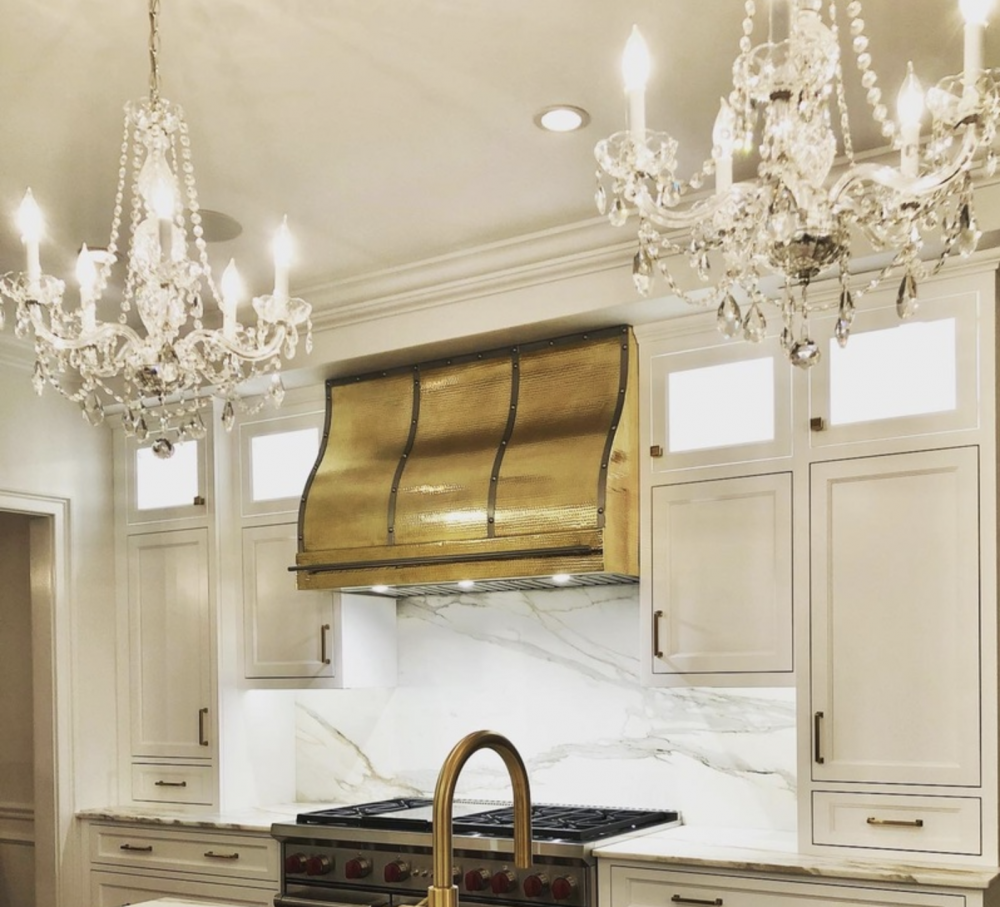
A ducted ventilation system involves a few additional installation steps. Getting these details right ensures efficient performance, code compliance, and long-term durability.
Insulate Your Ductwork
Wrapping your ducts with insulation prevents smoke, odors, and particles from seeping into the attic. It also reduces condensation and can provide a measure of fire protection when fire-rated duct wrap is used.
Cap Your Ductwork
Whether exhaust exits through the roof or an exterior wall, a proper vent cap is essential. Caps keep debris, rain, and snow out while preventing backdrafting — the unwanted reverse flow of air back into your kitchen.
Match Your Duct Size
Your duct diameter must match the capacity of your hood. As a general guideline, a range hood rated between 400–600 CFM (cubic feet per minute) should be paired with a 6- to 8-inch duct to maintain proper airflow.
Keep the Run Short
Always aim for the shortest possible route with the fewest elbows. Every bend increases air resistance, demands more fan power, and makes it harder for greasy kitchen air to fully escape the home.
Range Hood Venting Options
There are several proven methods for routing your range hood exhaust to the outdoors. The best choice depends on your kitchen layout, hood type, and home construction.
Horizontal Venting
This is the most straightforward approach. Ductwork runs horizontally through an interior wall to an exterior vent. It works especially well for wall-mounted and under-cabinet range hoods that sit near an outside wall.
Vertical Venting
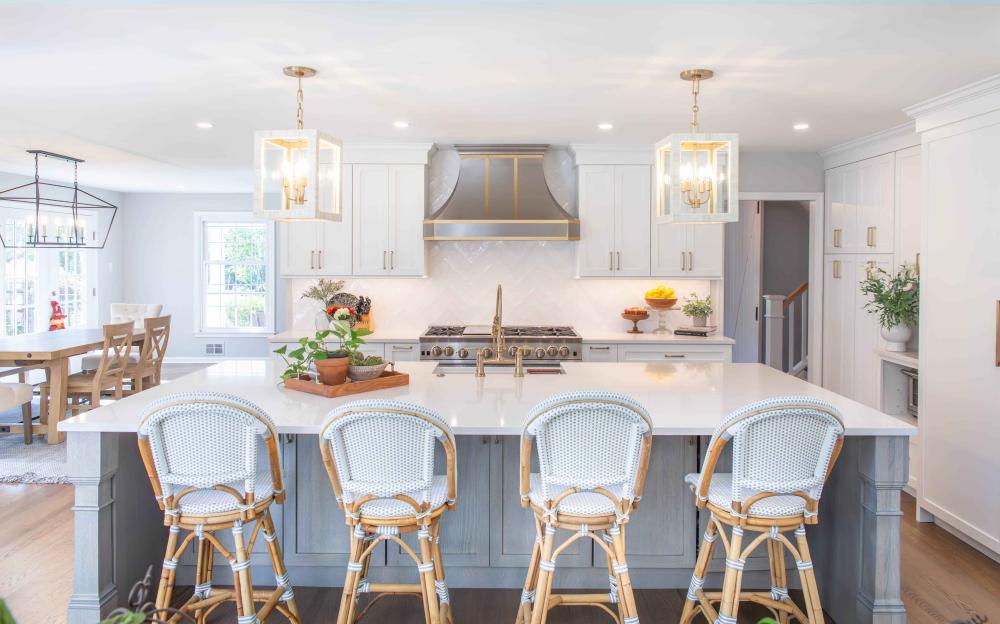
Vertical venting sends exhaust upward through the ceiling and out through the roof. This method is particularly suited for island range hoods and situations where there is no nearby exterior wall. Both wall-mounted and ceiling-mounted hoods can use vertical venting, though wall-mounted units also have the option of horizontal routing.
Ductless (Recirculating) Hoods
A ductless range hood does not require any external venting at all. Air passes through charcoal filters inside the unit and is released back into the kitchen. Installation is simpler since there is no need to cut through walls or ceilings. However, filtration performance is somewhat lower than a ducted system, and ductless units are generally better suited for smaller kitchens with moderate cooking demands.
Why You Might Need a Ducted Range Hood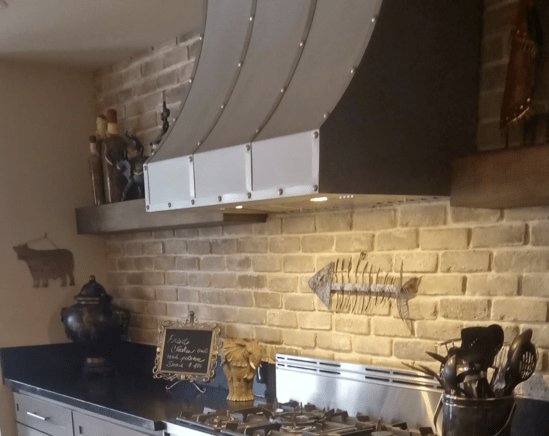
⚡
Lower Utility Costs
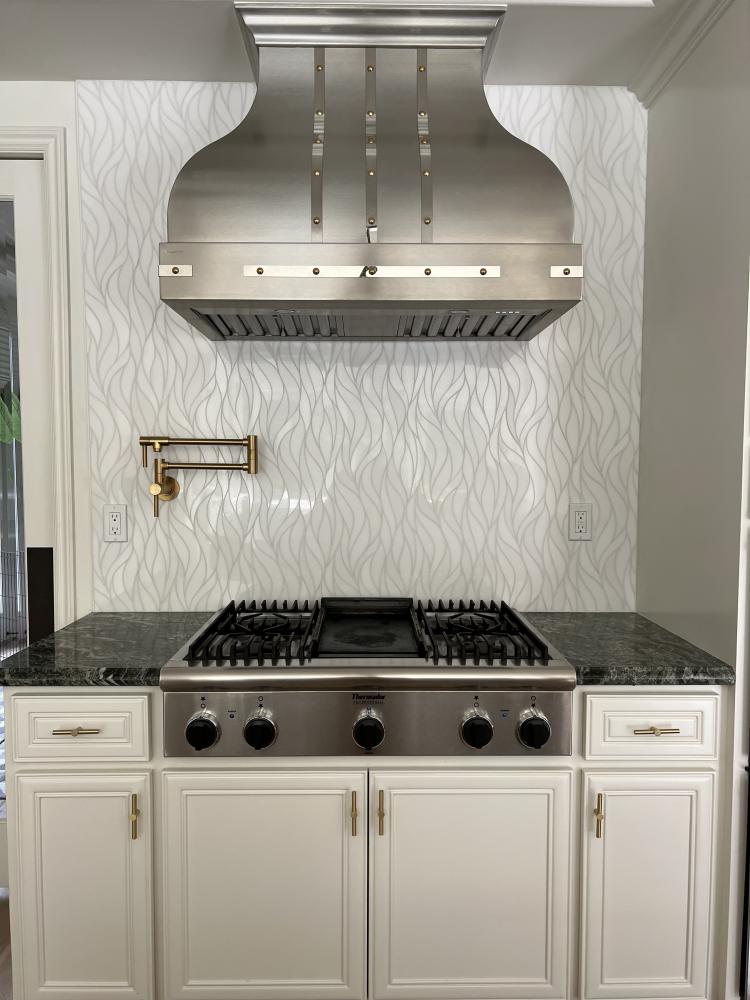
Ducted systems expel air directly outside, requiring less fan power over time. This efficiency translates into lower energy bills compared to recirculating units.
🌀
Multi-Function Performance
A ducted ventilation system purifies the air, keeps the kitchen cool, and traps grease — all at once. The result is a cleaner, more comfortable cooking environment.
🔥
Gas Appliance Safety
Gas stoves produce fumes, steam, and carbon monoxide. A ducted hood is the most reliable way to expel these harmful gases directly out of your home and keep your family safe.
💨
Superior Air Clearing
If your smoke alarms go off every time you cook or you constantly crack windows for ventilation, a ducted hood provides the power needed to rapidly clear odors, smoke, and steam.
Why You Might Need a Ductless Range Hood
Ductless range hoods have their own set of advantages and may be the right choice depending on your kitchen setup and cooking habits.
Maximum Flexibility
Without the need for ductwork, a ductless hood can be installed almost anywhere — under a cabinet, above a kitchen island, or in any configuration your layout demands. This flexibility also simplifies future kitchen remodels since no duct routing needs to change.
Ideal for Small Kitchens
Compact kitchens benefit the most from ductless hoods. Since no external ducting is required, installation is faster, less invasive, and takes up less space within your walls and ceilings.
No Existing Ductwork? No Problem.
If your home was not built with kitchen ductwork and you would rather not take on the expense and effort of adding it, a ductless range hood is the practical solution. It provides effective filtration without any structural modifications.
Why Choosing the Right Range Hood Matters
A range hood is a long-term investment that can be inconvenient and costly to replace once installed. Selecting the right one from the start saves you time, money, and headaches down the road.
A hood that is incompatible with your ducting system cannot be properly installed, and a fan that lacks sufficient power will allow fumes, grease, and smoke to linger throughout your home. Taking the time to match your hood to your kitchen's needs is well worth the effort.
The Bottom Line
Your range hood should never vent into the attic. If you cannot or do not want to install ductwork, there are excellent ductless options that will keep your kitchen air clean. If you prefer the superior performance of a ducted system, multiple venting methods exist to route exhaust safely outdoors.
Whether you choose ducted or ductless, investing in the right range hood protects your home, your health, and your comfort for years to come.