

Camping is one of the best ways to step away from the rush of everyday life and reconnect with the natural world. While some campers enjoy a fully rustic, off-the-grid experience, others are looking for a blend of adventure and modern-day comfort. Portable generators have become an increasingly popular way to enjoy that balance, delivering electricity to the campsite with minimal effort. Like any piece of outdoor gear, they come with their own set of advantages and drawbacks. This article is designed to help you understand both sides of the equation so you can decide whether a portable generator belongs on your next trip.
- What Is a Portable Generator for Camping?
- Advantages of a Portable Camping Generator
- Drawbacks of Portable Camping Generators
- Should You Choose a Portable Generator for Camping?
- Conclusion
What Is a Portable Generator for Camping?
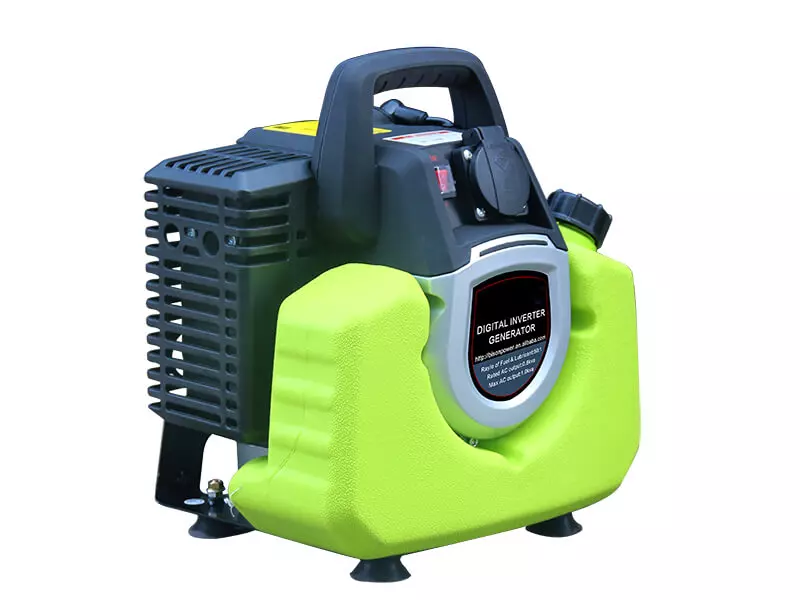
A portable camping generator is a compact, movable power source built to deliver electricity wherever traditional outlets aren't available. These units are engineered to be lightweight and easy to transport, which makes them especially practical for campsites, hiking basecamps, and RV trips where convenience and mobility matter just as much as output.
Advantages of a Portable Camping Generator
Portable generators bring several meaningful benefits to outdoor enthusiasts. Here are some of the most valuable ones worth keeping in mind.
Dependable Power Source
The ability to supply energy from a portable unit is one of the most compelling reasons campers rely on them. Whether you're keeping a phone charged, running a small fridge, or powering lights after sundown, a portable generator delivers consistent electricity on demand. This dependability is especially useful in remote areas where the grid is nowhere to be found.
Everyday Convenience
One of the biggest perks of owning a portable generator is the convenience it adds to every trip. Rather than relying on older or more complicated means of producing power, you can set up a generator, flip a switch, and immediately enjoy modern comforts. That makes meal prep, charging gear, and running small appliances far simpler than relying on traditional methods alone.
Emergency Readiness
Portable generators also double as a practical tool for emergencies, power outages, and unexpected situations that demand steady electricity. They're incredibly useful during natural events, long blackouts, or any moment when your lights go out, your food storage is at risk, and essential devices need to stay powered. Having one on hand means you're prepared well beyond the campsite.
Quieter Operation
Many modern portable generators are engineered to run quietly so they don't disturb the peace of your outdoor setting or your fellow campers. Certain models come equipped with sound-dampening technology, which greatly reduces operational noise. That thoughtful design allows you to take in the stillness and rhythm of nature while still enjoying the convenience of reliable power.
Drawbacks of Portable Camping Generators
While the benefits are impressive, portable generators also come with a few considerations that are worth factoring into your decision before a trip.
Limited Power Output
One of the most noticeable trade-offs of a compact generator is its reduced output capacity. These units can operate smaller devices simultaneously, but they may not be able to keep up with larger, more power-hungry equipment. If you're planning to run items like space heaters or commercial-grade cooking gear, a portable model may fall short.
Ongoing Fuel Use
Another drawback of units that rely on traditional fuel sources is the cost and logistics of keeping them running. Refueling over the course of a trip can quickly become both expensive and inconvenient. Smaller generators tend to be fuel-efficient, but it's still important to plan for how much fuel you'll need before heading out.
Emissions and Environmental Concerns
Since fuel-powered generators emit exhaust, it's important to consider their environmental impact. Smaller gas-powered units do produce emissions that can release carbon monoxide and other airborne pollutants into the ecosystem around you. For campers focused on minimizing their footprint, this is worth weighing carefully.
Should You Choose a Portable Generator for Camping?
Whether or not a portable generator makes sense for you comes down to your personal habits and priorities. A small unit can be a fantastic pick if you need dependable electricity for a handful of devices during your trip.
That said, not every compact generator will hit every family's checklist. It's important to look for a model that brings together a solid mix of output, quiet operation, and the kind of flexibility that supports a wide variety of appliances while still offering the efficiency expected from a portable unit. Features like extra battery capacity, easy-to-read controls, and the ability to adapt to various weather conditions and environments can also shape the right decision.
A highly recommended portable generator that ticks all of these boxes and performs beautifully in a camping setting is the BLUETTI AC300 Inverter Module Generator paired with the B300 battery. With a massive 3,000W continuous output and broad expandability, this modular system is built to power essentials and comfort devices alike during extended outings.

Featured Product
BLUETTI AC300 Inverter Module Generator
3,000W Modular Power · Requires the B300 Battery to Operate
Shop BLUETTI AC300Conclusion
Portable generators are a strong addition to almost any camping setup, bringing power and convenience to the outdoor environments you love. Whether you're searching for one of the best portable generators on the market or a more specific model tailored to your needs, taking the time to evaluate your priorities is always the right call. Weigh the pros and cons thoroughly before making a purchase so your camping experience is everything you want it to be.