Introduction
When you set up solar panels on your property, the energy doesn't travel directly from the panels to your household appliances. There are intermediate components — like inverters — that regulate and convert the energy flow, delivering a smooth and reliable experience for your entire system.
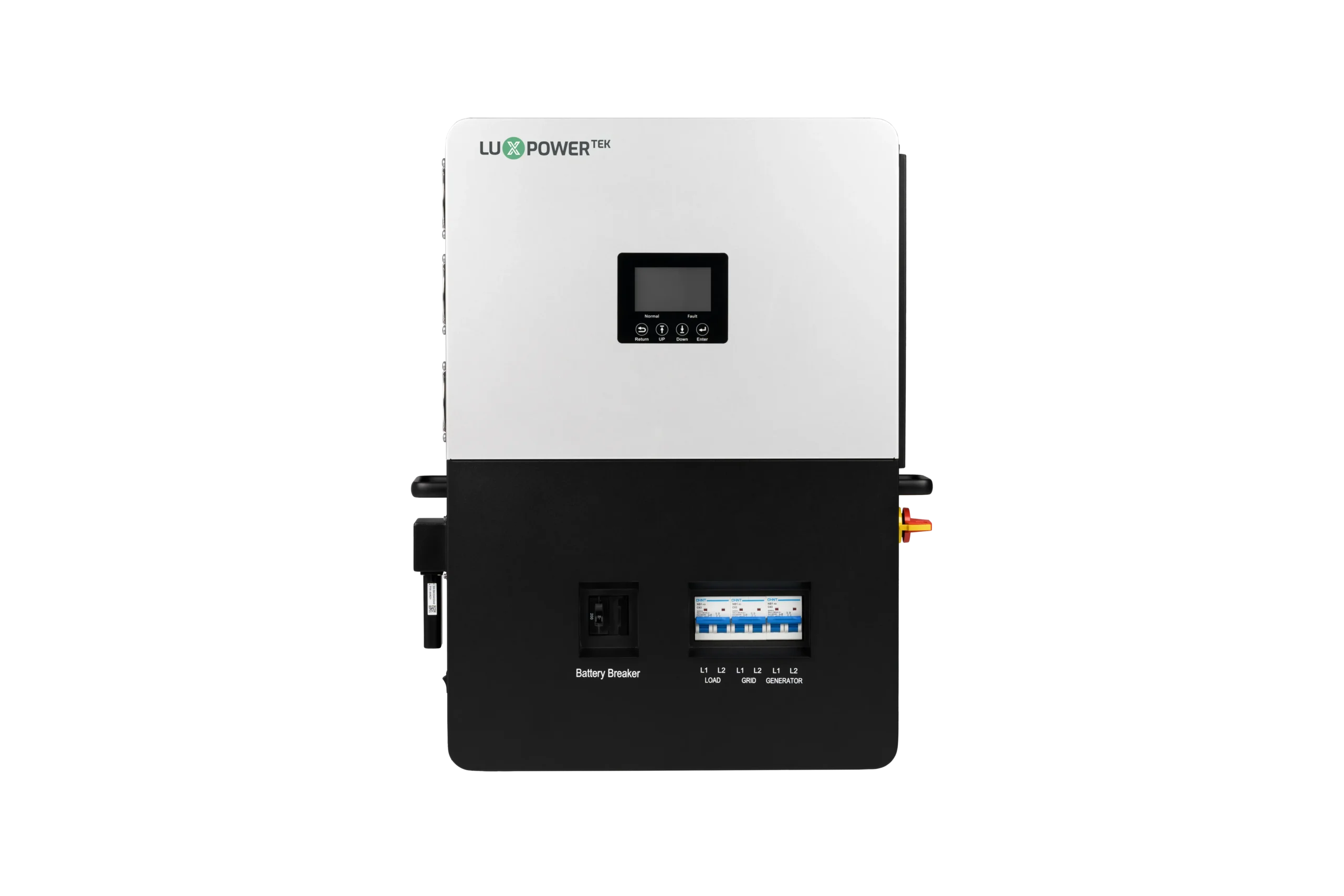
Inverters are the backbone of your solar setup. They keep the home running without interruption by bridging the gap between your batteries and panels. But what happens when you want to add a generator into the mix? Connecting your LuxPowerTek inverter to a generator can unlock a whole new level of energy resilience.
In this guide, we'll walk you through each step to get your LuxPowerTek inverter and generator working together efficiently and safely.
Why Should You Connect a LuxPowerTek Inverter to a Generator?
Before jumping into the connection process, it's worth understanding why this pairing makes so much sense. Many people wonder whether it's truly necessary. Can't the inverter handle things on its own? The truth is, combining both gives you benefits that neither can provide alone.
Reliable Backup Power
Solar energy is only available while the sun is shining. At night or on heavily overcast days, your panels won't produce enough to keep things running. By connecting a generator, you create a dependable fallback. Whenever the solar system can't meet demand, the generator kicks in and keeps your home powered without missing a beat.
Access to Renewable Energy
Here's the exciting part — solar energy is essentially free once you've invested in the installation. It's a clean, renewable source that doesn't cost you anything per kilowatt-hour and produces zero environmental harm. Combining it with a generator means you can enjoy the best of both worlds: free energy most of the time, and affordable backup when you need it.
Consistent Power Supply
Whether the sun is blazing or completely hidden behind clouds, a properly connected system ensures you always have stable electricity. This kind of steady, uninterrupted power is exactly what off-grid setups and emergency backup systems are designed to deliver — and pairing an inverter with a generator is the key to making it happen.
Tools and Materials You'll Need
Before you start connecting anything, gather the right tools and materials first. Having everything on hand will save you time and help the process go smoothly.
Generator LuxPowerTek Inverter Cables & Connectors Fuses & Breakers Multimeter User Manuals
The generator provides the energy. The inverter converts and regulates it. Cables and connectors ensure seamless connections. Fuses and breakers protect against surges. A multimeter helps verify voltage. And the user manuals? Both the inverter and generator need their manuals handy so you can operate everything safely and correctly.

Step-by-Step Instructions
Connecting a LuxPowerTek inverter to a generator is straightforward if you know the components and follow each step carefully. Let's walk through it together.
1
Check Compatibility
Making sure your inverter and generator are compatible is the foundation of a successful connection. Don't skip this — mismatched equipment can lead to poor performance or even damage.
Output Voltage & Frequency: Check the generator's output voltage and confirm it matches what the inverter's specifications require. Both devices must operate on the same frequency.
Capacity: Make sure the generator can handle the inverter's power demands. It should be sized to manage the load without excessive strain or voltage fluctuations.
Inverter Manual: LuxPowerTek inverters are designed to work with a wide range of generators. Review the inverter's specifications to confirm compatibility before proceeding.
2
Gear Up Your Generator
Getting the generator ready is a simple but important pre-check. Think of it as making sure your equipment is in peak condition before putting it to work.
Start by checking the oil levels and overall operational status of the generator. Then install a voltage regulator — this is essential because it stabilizes the output and prevents sudden surges that could damage sensitive components.
Finally, think about where the generator will sit. Position it in a well-ventilated area with good airflow. This helps avoid overheating, prevents buildup of exhaust fumes, and reduces wear on the unit over time.
3
Configure the Inverter
LuxPowerTek inverters come equipped with advanced technology systems that support multiple operating modes. The two you'll want to focus on are:
Generator Mode
Provides a direct and consistent energy supply from the generator to your system. Ideal when the generator is the primary power source.
Hybrid Mode
Automatically draws from the generator only when battery or solar levels drop too low. This intelligent mode seamlessly switches between sources.
When configuring, make sure the inverter settings match the required voltage and frequency of the generator. Then select the operating mode that best fits your setup and energy needs.
4
Connect with the Generator
Before making any physical connections, cross-check all your appliances and make sure both the generator and the inverter are powered off. Safety first — always work with de-energized equipment.
Locate the L and N ports on the inverter and connect the matching ports from the generator. Depending on the cable type available, you can configure the connection as either single-phase or three-phase — both direct and parallel configurations work.
Once connected, link the generator through the dry contact on the inverter. This allows the inverter to automate control of the energy flow, giving you a stable and hands-off supply.
5
Configure the Generator Settings
Once the physical connection is in place, it's time to fine-tune the generator through the inverter's settings panel. Here's what to adjust:
Battery Limits: Set the threshold at which the generator should kick in. A common setting is around 30% — when the battery drops below this level, the generator automatically starts supplying energy.
Automate Operations: Configure the inverter to handle start/stop cycles automatically, so you don't have to intervene manually every time.
Energy Cut-Off Values: Define the energy supply cut-off thresholds to prevent unnecessary generator runtime and conserve fuel.
6
Test the System and Optimize
Don't skip the testing phase. Fire up the generator, run the inverter, and make sure both systems are communicating correctly. Synchronize the two and verify that the power flow is steady and consistent.
Check the overall compatibility of the setup. If you notice any issues during the initial startup — strange noises, voltage drops, error codes — address them immediately before relying on the system full-time.
As an extra safety measure, try fluctuating the voltage and power load to see how the system responds. Does it auto-adjust? Does it shut down safely under stress? If the answer to both is yes, your setup is solid and ready for everyday use.
Conclusion
Having reliable, uninterrupted power is something every homeowner and off-grid enthusiast needs. Connecting a LuxPowerTek inverter to a generator gives you that peace of mind — combining the sustainability of solar with the dependability of a backup generator.
The process isn't complicated when you follow the right steps. Check compatibility, prepare your equipment, configure correctly, connect safely, and test thoroughly. That's all there is to it.
When choosing equipment, always invest in quality. Premium inverters from trusted brands like LuxPowerTek are built to last, perform efficiently, and integrate smoothly with generators and other energy systems. Explore our collection to find the perfect setup for your power needs.

