

Picking the right pool heat pump isn't as simple as grabbing whatever's on sale. You need to know your pool's volume in gallons, understand the climate zone you live in, and figure out how much of a temperature increase you're actually after. If the unit is too small, it'll grind away non-stop without ever warming the water properly — and your electric bill will reflect it. Proper sizing means matching your heat pump's BTU output to your pool's surface area and accounting for real-world heat loss.
1. Why the Right Heat Pump Size Actually Matters
Investing in a pool heat pump is a smart financial move, but only when you get the sizing right. Going too small or too large can cost you in ways you might not expect. Here's what's at stake in 2026:
Efficiency: An undersized heat pump runs overtime, draining energy and destroying its COP (Coefficient of Performance). A correctly sized unit cycles efficiently and saves you money every month.
Cost Savings: Modern pool heat pumps are engineered to cut energy costs by up to 75% versus traditional gas or resistance heaters — but only when they're sized properly for your pool.
Year-Round Performance: Planning to swim in the fall or even winter? You'll need a unit built to perform when temperatures drop, not a bargain model that quits below 50°F.
2. The Three Critical Factors: Pool Size, Climate & Heat Loss
A. Pool Volume & Surface Area
Bigger pools demand more BTUs — it's that straightforward. A larger body of water needs more thermal energy (measured in British Thermal Units) to raise the temperature even a single degree. If you go with an undersized unit, it might keep things warm on a sunny afternoon, but the moment a cold front rolls through or the sun sets, you'll feel the difference.
The takeaway: Calculate your total water volume and surface area before shopping. The sizing formula below will show you exactly how.
B. Your Local Climate
Heat pumps pull warmth from the surrounding air. That means climate is everything. If you're in Florida or Southern California, a standard unit will serve you well for most of the year. But if you're in Canada, the northern United States, or anywhere that regularly dips below freezing, you'll need a cold-climate heat pump rated to operate down to -4°F (-20°C) or lower. Standard models tend to shut down or lose significant efficiency when air temperatures fall below 50°F.
C. Heat Loss & Insulation
Up to 75% of your pool's heat escapes right from the water's surface through evaporation. Wind, low humidity, and cool nighttime temperatures all accelerate the process. The single best thing you can do? Use a pool cover. A quality cover acts as a thermal barrier, trapping heat and potentially letting you get away with a smaller, more affordable heat pump while keeping the same water temperature.
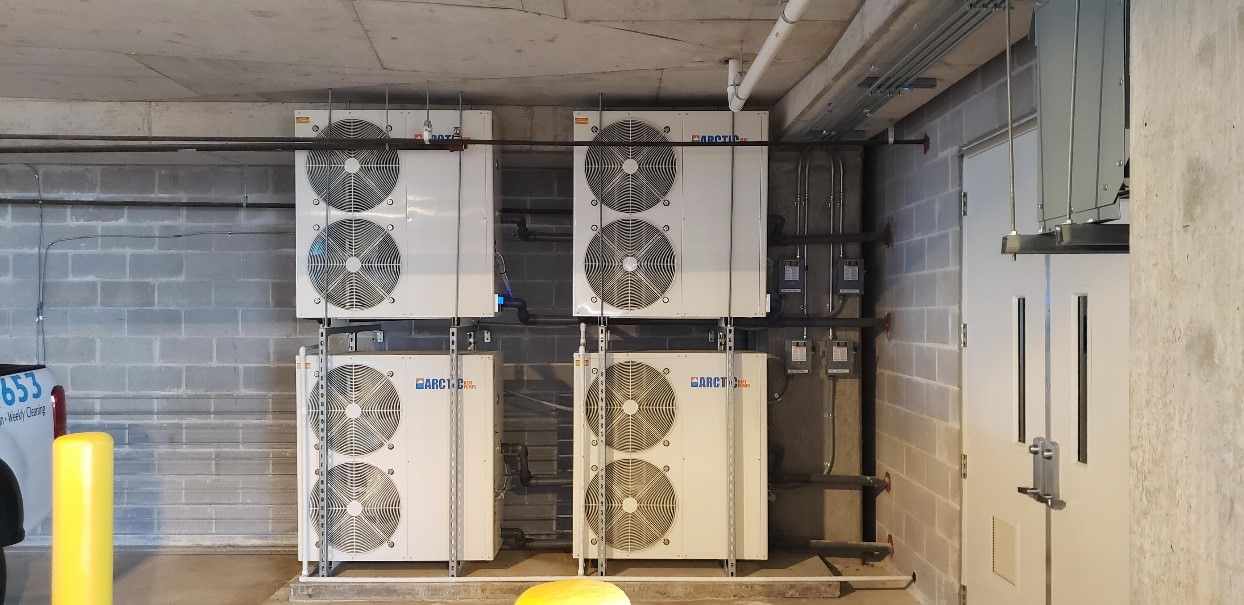
3. Quick Selection Guide: Which Pool Heat Pump Do You Need?
We've narrowed it down based on your specific needs. Here are the top-performing pool heat pump options for 2026:
| Best For | Capacity | Key Feature |
|---|---|---|
| Hot Tubs & Swim Spas | 23,000 BTU | Works down to -4°F (-20°C). Ideal for winter spa use. |
| Small Pools / Lap Pools | 29,000 BTU | Versatile performer — heats and cools smaller bodies of water efficiently. |
| Large Pools / Commercial | 95,500 BTU | Heavy lifter — perfect for large family pools demanding rapid heating. |
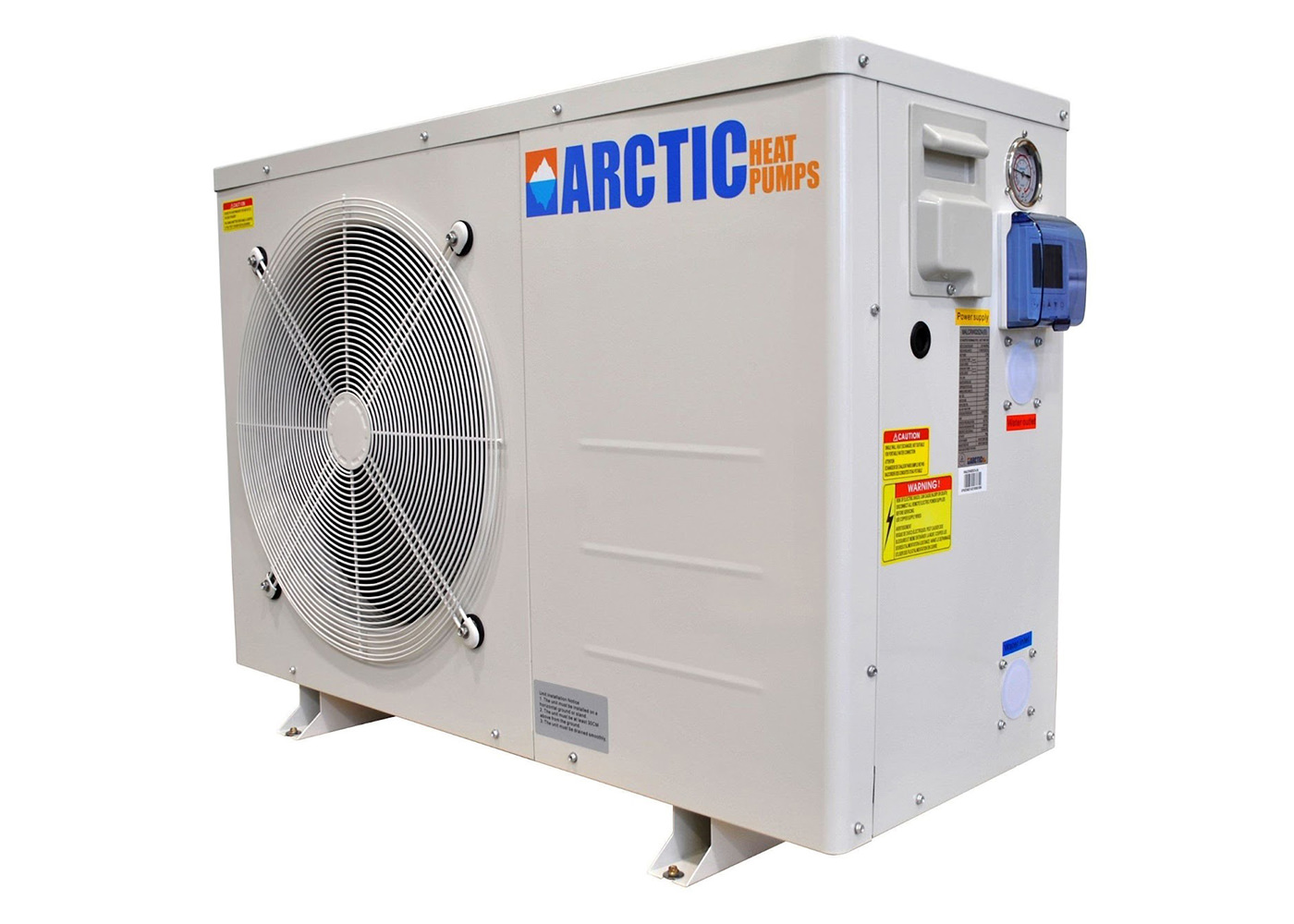
4. How to Size Your Pool Heat Pump (The Formula)
While professional sizing tools offer the highest accuracy, you can get a solid estimate on your own with a few quick calculations:
Step 1 — Surface Area: Length × Width = Surface Area (sq. ft.)
Step 2 — Pool Volume: Surface Area × Average Depth × 7.5 = Volume (Gallons)
Step 3 — Estimate kW Required: A practical rule of thumb for maintaining temperature is:
Pool Volume (Gallons) ÷ 2,500 = ~Required kW Output
Example: A 25,000-gallon pool ÷ 2,500 = approximately 10 kW Heat Pump required (minimum).
5. Installation Tips for Maximum Efficiency
Even the best heat pump on the market will underperform if it's installed incorrectly. Follow these 2026 guidelines to get the most from your investment:
Airflow Is Everything
Heat pumps need to breathe. Keep at least 12 inches of clearance from walls and make sure nothing is blocking the fan discharge area.
Plumbing Placement
Install the heater after the filter but before any chlorinators or chemical feeders. This sequence protects the heat exchanger from corrosion and extends the unit's lifespan.
Keep It Close
Position the unit as near to the pool pump and filter as possible. Shorter plumbing runs mean less heat loss through the pipes and more efficient overall operation.
6. The Cost-Benefit Analysis (ROI)
Is the upfront investment actually worth it? Let's break it down:
$2,000–$5,000
Average Installed Cost
$1,000–$2,000
Annual Savings vs. Gas/Electric
< 2 Years
Typical Payback Period
Most homeowners see a full return on investment in under two years. After that, the savings flow straight to your pocket for the remaining 15–20 year lifespan of the unit. Compared to gas or electric resistance heaters, a heat pump is one of the smartest long-term upgrades you can make.
Ready to Heat Your Pool the Smart Way?
Check out our top-rated energy-saving pool heat pump — built for pools up to 25,000 gallons.
Blue Torrent 110K BTU Pool Heat PumpFinal Thoughts
Selecting the right pool heat pump comes down to three things: knowing your pool's size, understanding your local climate, and setting a realistic budget. Stop second-guessing and start calculating. When you invest in a properly sized, high-efficiency heat pump matched to your specific environment, you're securing comfortable swimming temperatures year-round — without watching your energy costs spiral out of control. Your backyard deserves it.