

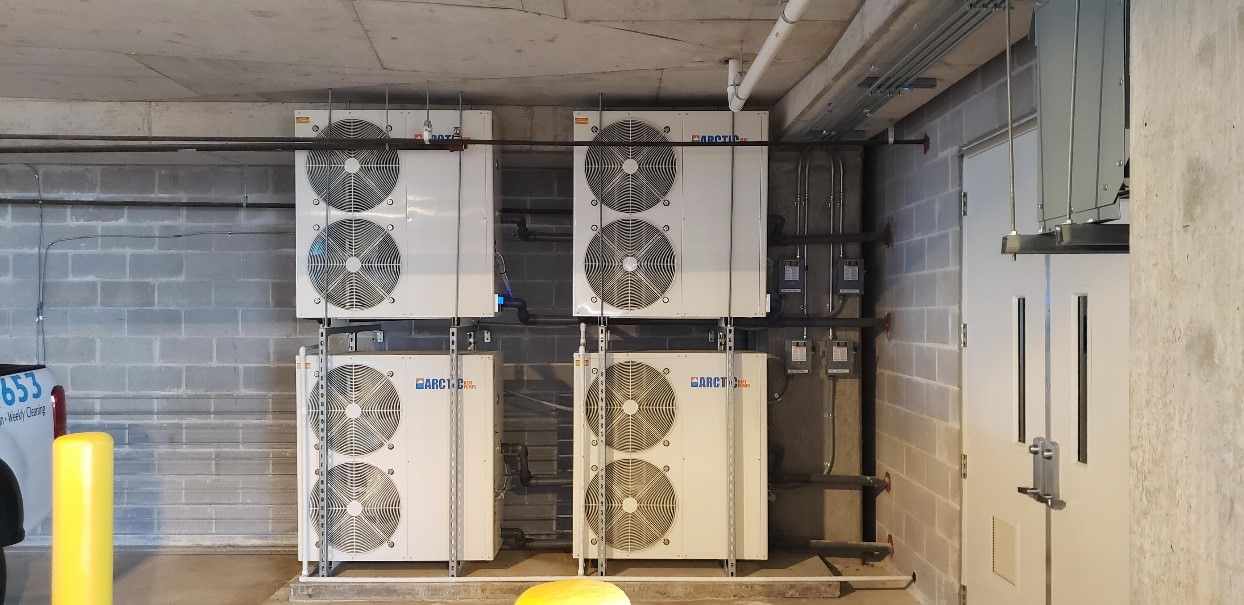
 How Do I Choose the Right Pool Heat Pump?
To pick the ideal pool heat pump, you need to calculate your Pool Volume (in gallons), identify your local Climate Zone, and define your desired Temperature Rise. A unit that's too small will run around the clock trying to hit your target temperature—burning through electricity and never really catching up. For accurate sizing, always match the heat pump's BTU rating to your pool's surface area and local heat loss factors.
1. Why the Right Heat Pump Matters
Installing a pool heat pump is one of the smartest investments you can make in your backyard—but grabbing the first model you see on sale is often a costly mistake. The wrong choice can mean sky-high energy bills, a pool that never quite warms up, and a unit that wears out years before its time.
Here's why sizing matters more than ever in 2026:
An undersized pump works overtime, destroying the COP (Coefficient of Performance). The right size runs in short, efficient cycles.
Modern heat pumps are engineered to cut as much as 75% off energy costs compared to gas heaters—but only when correctly sized.
If you want to swim in November or December, you'll need a unit specifically built for low ambient temperatures, not a standard summer pump.
2. The Big 3 Factors: Pool Size, Climate, and Heat Loss
Before you click "Buy," three critical variables need to be on your checklist:
A. Pool Volume & Surface Area
A larger pool demands more BTUs (British Thermal Units) to lift the water temperature by 1°F.
- The Risk: Choosing an undersized unit may keep water lukewarm on a mild day, but it will fail completely when a cold breeze rolls in or the sun goes down.
- The Solution: Calculate your total water volume and surface area (full sizing formula below).
B. Local Climate
Heat pumps extract warmth straight out of the surrounding air:
- Warm Climates (Florida / Southern California): A standard heat pump will perform beautifully all season long.
- Cold Climates (Canada / Northern US): You'll need a true Cold Climate Heat Pump engineered to keep operating down to -4°F (-20°C). Standard units simply shut down once the air drops below 50°F.
C. Heat Loss & Insulation
Roughly 75% of all pool heat loss happens right at the water's surface.
3. Quick Selection Guide: Which BTU Rating Do You Need?
We've simplified the decision around the specifics of your backyard. Here are the top recommended BTU tiers for 2026:
| Best For... | Recommended BTU Range | Typical Pool Size | Key Feature |
|---|---|---|---|
| Hot Tubs & Swim Spas | 20,000 – 30,000 BTU | Up to 5,000 gallons | Reliable performance down to -4°F (-20°C). Ideal for winter spa use. |
| Small Pools / Lap Pools | 45,000 – 65,000 BTU | 8,000 – 13,000 gallons | The versatile workhorse. Heats and cools smaller bodies of water efficiently. |
| Large Pools / Commercial | 90,000 – 120,000 BTU | 20,000+ gallons | The heavy lifter. Built for family-sized pools that need rapid heating. |
Our Top Pick for Mid-Size Pools
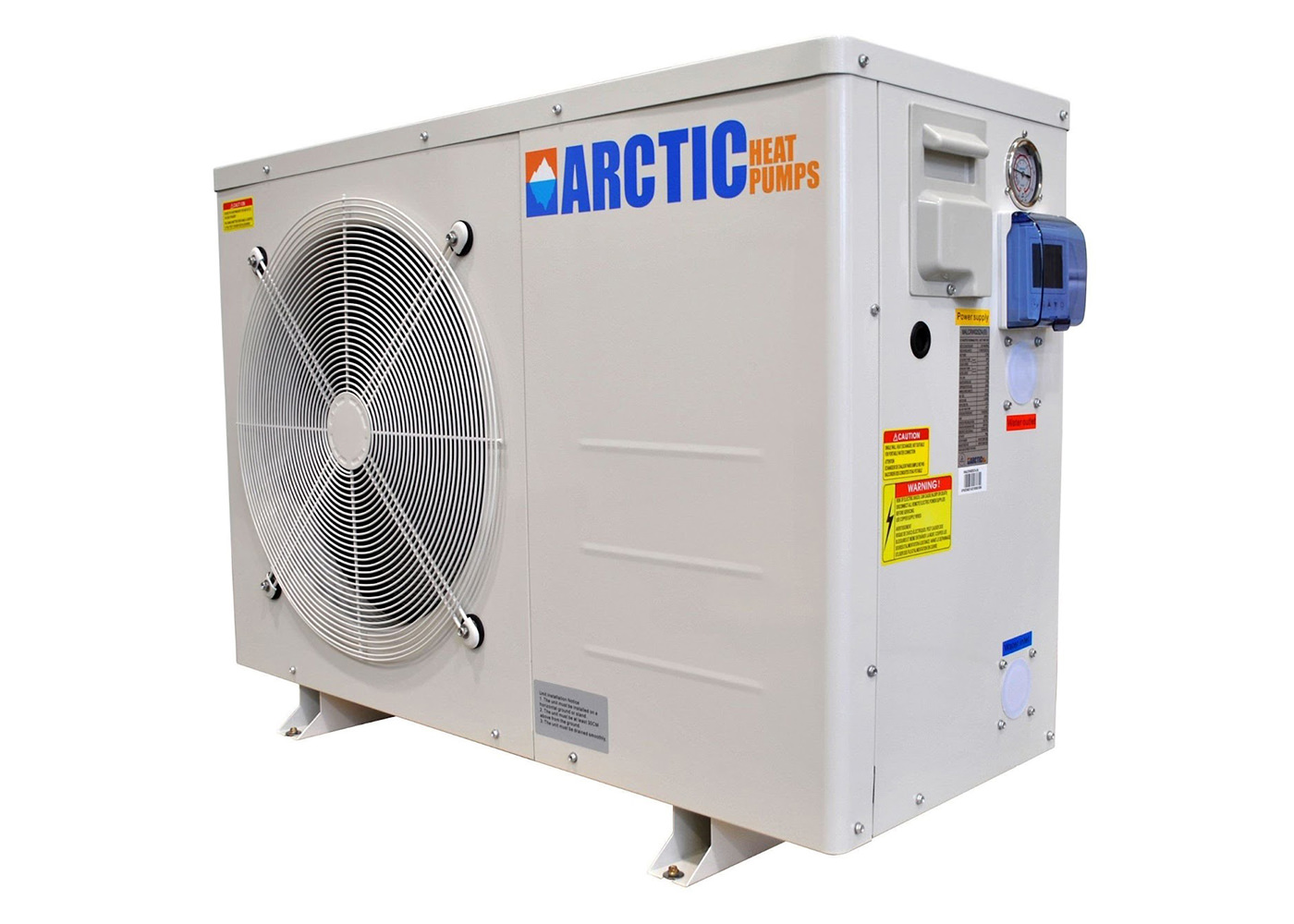
For a 13,000-gallon pool, the Blue Torrent CFT 65 delivers 65,000 BTU of clean, quiet heating—perfect for families who want to stretch their swim season from early spring right through fall without blowing up the electric bill.
Shop Blue Torrent CFT 65
 4. How to Size Your Heat Pump (The Formula)
While we always recommend using our official sizing tool for precision, here's a quick method to estimate what your backyard really needs:
- Calculate Surface Area: Length × Width = Surface Area (sq. ft.)
- Calculate Pool Volume: Surface Area × Average Depth × 7.5 = Volume (Gallons)
- Estimate kW Required: A general rule of thumb for holding temperature is:
Example: A 25,000-gallon pool ÷ 2,500 = ~10 kW heat pump required (minimum).
5. Installation Tips for Maximum Efficiency
Even the best heat pump will underperform if it's installed poorly. Follow these three 2026 guidelines:
Heat pumps need room to breathe. Maintain at least 12 inches of clearance from walls and keep nothing blocking the front of the fan.
Install the heater after the filter and before any chlorinators or chemical feeders to protect internal components.
Position the unit as close to the pool pump/filter as possible to reduce heat loss through long plumbing runs.
6. The Cost-Benefit Analysis (ROI)
Is the upfront investment actually worth it? Absolutely—here's how the numbers break down:
Once the payback period passes, every dollar of savings lands straight in your pocket for the remaining 15–20 year lifespan of the unit.
Ready to Heat Your Pool the Smart Way?
The Blue Torrent CFT 65 pairs powerful 65,000 BTU output with whisper-quiet operation—engineered specifically for 13,000-gallon pools that deserve year-round comfort.
Shop Blue Torrent CFT 65Conclusion
Choosing the perfect pool heat pump comes down to balancing three things: your location, your pool size, and your budget. Stop second-guessing the specs and start calculating. By selecting an efficient, properly-sized heat pump matched to your specific climate, you'll enjoy a comfortable swim season year-round—and keep your energy bills exactly where they belong.
Your backyard deserves the upgrade. The water's waiting.