

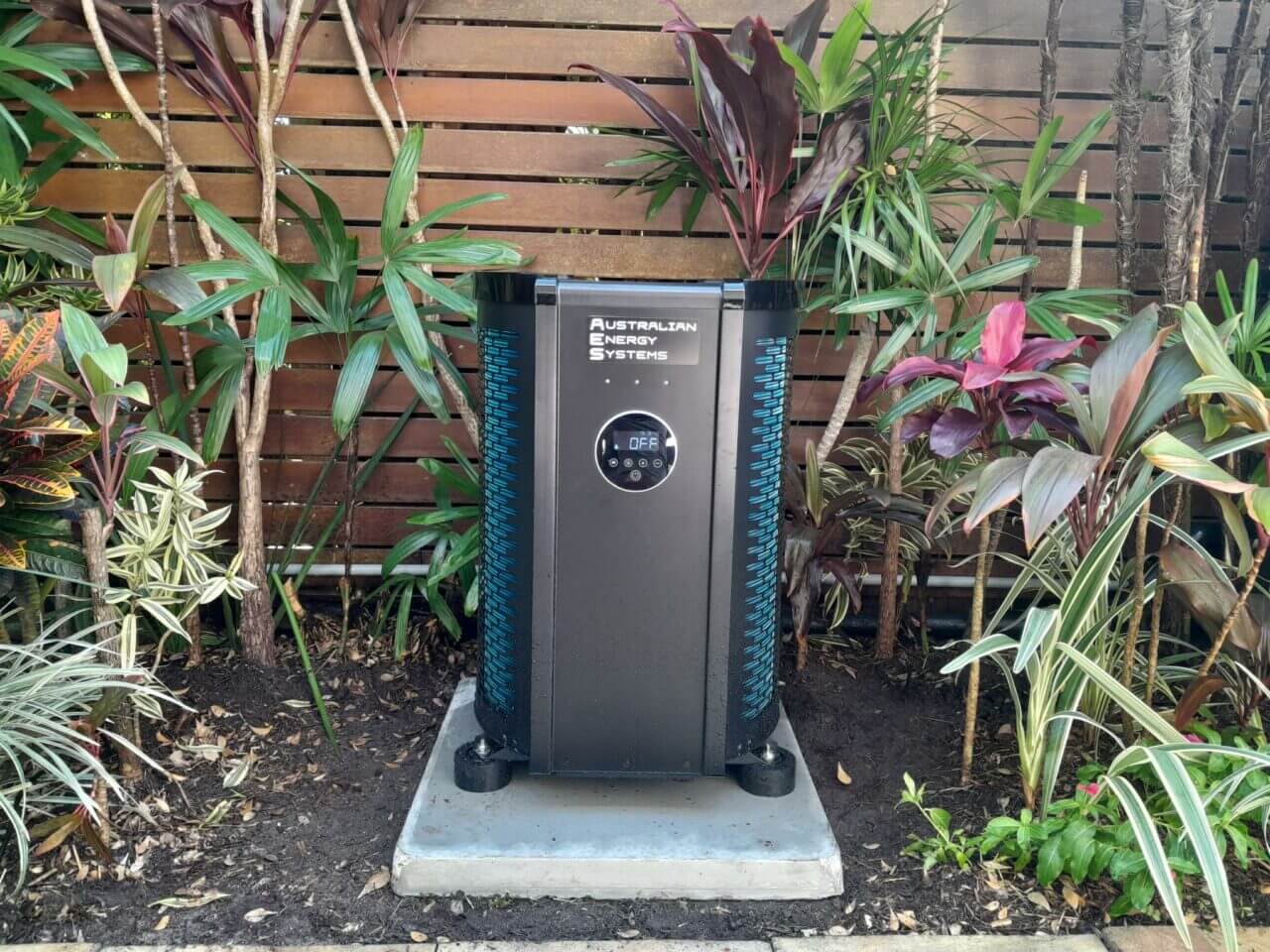
 Heat pumps have quickly become the go-to water temperature control solution for swimming pools. When it comes to comfort and stability, pool water temperature is a key consideration for both pool owners and managers. As energy use and the environmental impact of heating a pool become increasingly important considerations, heat pumps stand out as one of the most efficient and reliable options for high-demand applications.
Why Choose a Heat Pump for Heating a Pool?
Swimming pool heat pumps are far more efficient than traditional gas boilers, solar heaters, or electric resistance heaters. They are the quietest option on the market, a perfect fit for residential neighborhoods, and they are suitable for both indoor and outdoor pool environments.
How Heat Pumps Enhance the Swimming Experience
Whether you are relaxing in an outdoor infinity pool or training in an indoor competition setting, water comfort matters more than many realize. Consistent pool temperatures are the foundation of a relaxing, high-quality swim — for guests, for athletes, and for every member of the family.
Keeping Pools Warm in Winter
While the temperature outside leads to pool water evaporating, a quality heat pump can keep the water at the ideal temperature year-round. This means lower heat loss, which in turn translates into the lowest possible operating costs during colder months.
Staying Cool in Summer
During the hotter months, community pools can heat up too much to be genuinely refreshing. With the right setup, a pool heat pump can be operated in reverse to cool the water, giving swimmers a welcome break from the heat and preventing the pool from becoming uncomfortably warm.
This creates an unbeatable year-round experience: warm water when you want it, and cool, refreshing water when summer temperatures climb. Either direction, a heat pump is one of the single most effective ways to manage pool climate.
How Does a Swimming Pool Heat Pump Work?
Fundamentally, a pool heat pump works much the same way as a traditional household heat pump. It pulls heat from the ambient outside air and transfers that energy directly into the pool water using a simple refrigerant cycle.
A low-temperature liquid refrigerant absorbs heat from the outside air, turning it into a gas. From there, the gas is compressed — which raises its temperature considerably — and then passes through a heat exchanger. The heat is transferred to the pool water, and the refrigerant cools back into a liquid, ready to begin the cycle again.
With the outside air acting as the energy source, a heat pump can make even a modestly warm day deliver useful pool heat. The warmer the outside air, the more efficient the process — but modern units pull meaningful heat even in surprisingly cool temperatures.
Inverter Heat Pumps vs. On/Off Heat Pumps
There are two primary types of swimming pool heat pumps that both run with similar operating principles. They differ most in how they regulate output, and it's worth understanding both so you can match the right product to the size of pool and budget you're working with.
On/Off Heat Pumps
This technology has been around for decades and remains the baseline design for pool heaters. When the pool is above its target temperature, the unit switches off completely. Once the water drops below the set point, it switches back on at full power until the target is hit again. It's a straightforward on/off rhythm — simple, proven, and still effective for most residential applications.
Inverter Pool Heat Pumps
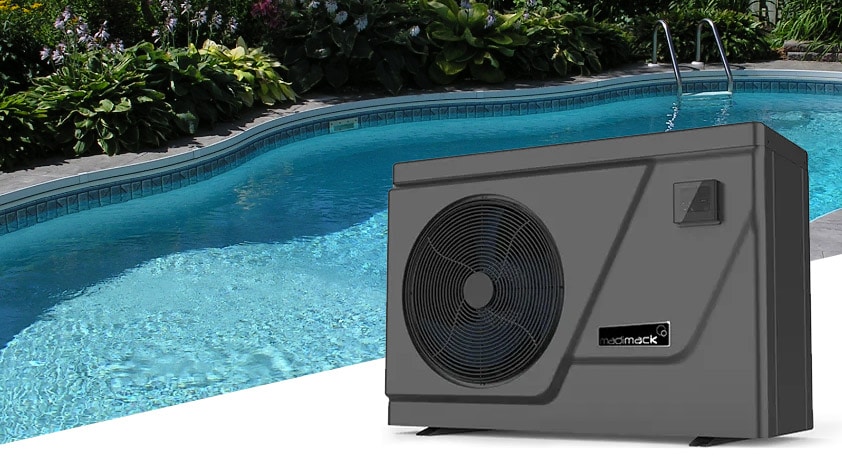
Inverter heat pumps are a relatively newer advance that have been embraced more widely over the last few years because of their energy efficiency. Instead of switching fully on and fully off, an inverter model dynamically adjusts its compressor speed to match the exact heating load the pool is currently asking for. Output ramps up when more power is needed and ramps down when less is needed.
Because of this smart behavior, an inverter heat pump will consume far less energy than a traditional on/off unit while still holding temperature with excellent precision. You'll also hear less noise from the unit because it rarely runs at its maximum setting. The trade-off is an upfront price premium — but the long-term savings often make it back many times over.
Factors That Affect the Size of a Pool Heat Pump
The size of the pool heat pump you need is tied to several factors, including:
- The size of the swimming pool
- Whether the pool is indoors or outdoors
- The temperature you'd like the water to reach
- Whether the pool is covered or left uncovered
- The typical ambient climate where you live
A Quick Sizing Example
A larger pool loses heat faster and therefore needs more energy to reach and hold your ideal temperature. An uncovered outdoor pool in a cooler climate will need a larger unit than the same-sized pool that has a thermal cover and sits in a warmer environment.
How to Choose the Right Size of Pool Heat Pump
You'll see heat pump capacity referred to in either kilowatts (kW) or BTUs — two ways of expressing the same thing. Below is a rough rule of thumb based on typical residential pool volume. Use it as a starting point, then factor in whether your pool is covered, the length of your swim season, and your regional climate.
| Pool Volume (m³) | Heat Pump Output (kW) |
|---|---|
| Up to 30 m³ | 9 kW |
| 30–50 m³ | 13 kW |
| 50–70 m³ | 18 kW |
| 70–100 m³ | 25 kW |
Of course, the bigger the pool, the more power it takes to heat the water to the right temperature — and to keep it there as ambient temperatures fluctuate through the season.
What Does a Heat Pump Cost to Operate?
Running costs come down to the output of the unit, the efficiency rating, and the number of hours the heat pump has to work to maintain your desired temperature. An energy-efficient inverter heat pump will usually cost noticeably less to operate over a swim season than an on/off unit of the same nominal output — and the difference grows the longer your swim season runs.
Before any unit goes in, it pays to think about how and when you'll use the pool. A weekend-only backyard pool has very different demands than a pool that's heated seven days a week from March through November.
Heat Pump Solutions from Backyard Provider
Our range of premium pool heat pumps are crafted to deliver energy-friendly performance for both residential and semi-commercial pool environments. Units are available in several capacity tiers so you can match the unit to the exact demands of your pool — no oversizing, no undersizing.
Year-Round Comfort
Hold your target pool temperature reliably across every season of your swim calendar.
Energy Efficient
Inverter technology cuts operating costs without sacrificing heating performance.
Quiet Operation
Low-decibel output keeps the backyard calm — no intrusive hum during pool time.
Durable Build
Weather-ready components designed to hold up to real outdoor conditions, year after year.
Featured Model: Blue Torrent 125K BTU Heat Pump
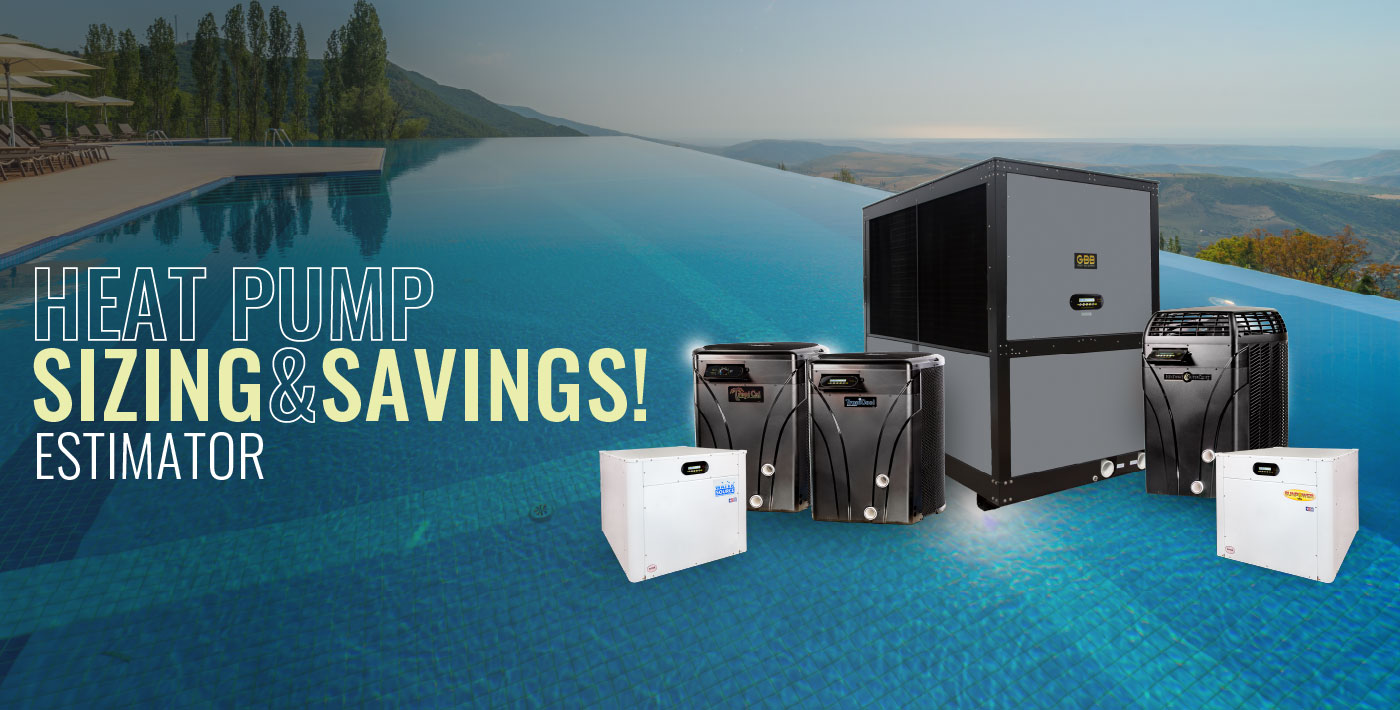
The Blue Torrent 125K BTU Heat Pump is a high-capacity workhorse built for larger residential pools and semi-commercial applications. With 125,000 BTUs of heating output, it's designed to bring big pools up to a comfortable swim temperature quickly and hold that temperature efficiently through the full season. For pool owners who are serious about extending their swim calendar without watching operating costs spiral, this unit sits right in the sweet spot.
 Benefits of Backyard Provider Heat Pumps
Heat pumps from Backyard Provider offer a number of advantages that make them an easy recommendation for pool owners who want strong results without ongoing headaches.
High Performance
Powerful heating output across a wide ambient temperature range, so the swim season actually feels like a season.
Low Operating Costs
Efficient technology keeps the monthly electric bill in check, even for larger pools running longer hours.
Simple Installation
Straightforward plumbing and electrical hookups make setup manageable for any qualified installer.
Built to Last
Corrosion-resistant construction holds up to moisture, sun, and the real-world demands of poolside life.
Ready to Heat Your Pool the Smart Way?
The Blue Torrent 125K BTU Heat Pump delivers serious heating power for larger residential and semi-commercial pools — with the energy efficiency and quiet operation Backyard Provider customers expect.
Blue Torrent 125K BTU Heat Pump