

Choosing a heat pump for your swimming pool involves more than picking the first option on the shelf. The pool water temperature you want, how large your pool is, and where you live all play a role in finding equipment that actually delivers. With so many models and BTU ratings on the market, narrowing down the correct size can feel overwhelming — but it doesn't have to be.
Heat pumps remain one of the most energy-conscious ways to keep your pool warm. They pull ambient heat from the surrounding air and transfer it into the water, which means they use considerably less electricity than traditional resistance heaters. That said, you still need to match the unit's capacity to your specific pool — otherwise you'll either waste money on an oversized system or struggle with one that can't keep up.
This guide walks through the essential considerations every pool owner should evaluate before investing in a heat pump, so you can land on the perfect size for efficient, reliable heating.
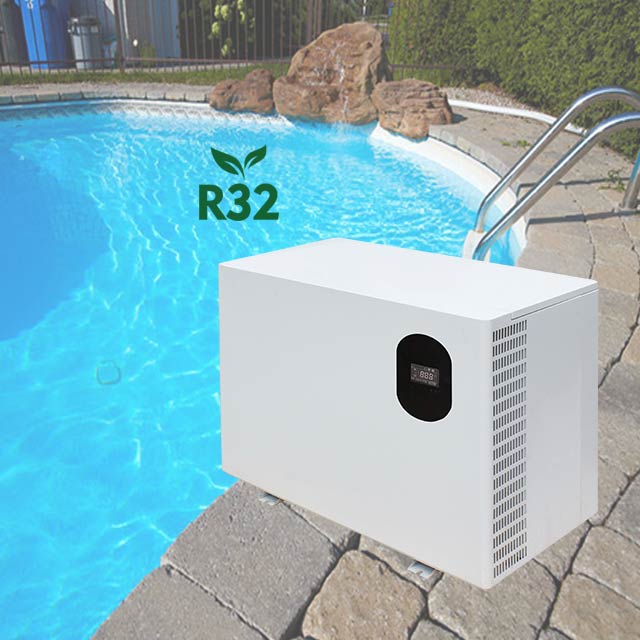
Factors to Consider When Sizing a Pool Heat Pump
Picking the correct heat pump requires you to look at your setup holistically. The size of the pool, the weather patterns in your area, and even your desired water temperature all feed into the equation. Pools in windy, exposed locations or regions with cool nights will lose heat faster, meaning the pump has to work harder to compensate. A careful assessment of these variables helps you avoid both underpowering and overspending.
Swimming Habits
Your personal swimming routine matters more than you might think. Although how often you swim won't change the heat pump's capacity requirements directly, it does influence the heating speed you'll want. People who swim daily typically prefer a unit that recovers temperature quickly — whereas occasional swimmers may be fine waiting a bit longer for the water to reach the ideal warmth. If maintaining a constant temperature around the clock is a priority, sizing up slightly can save energy by reducing the strain of frequent reheat cycles.
The Surface Area of Your Swimming Pool
Before you start comparing models, you need an accurate measurement of your pool's surface area. Many pool owners assume the total water volume (gallons) is the only metric that counts, and while it's relevant, surface area is actually the primary driver of heat loss. A larger surface means more exposure to the air, wind, and evaporation — all of which pull warmth out of the water at a faster rate.
For rectangular pools, calculating surface area is straightforward: simply multiply the length by the width. Irregular or freeform shapes require you to estimate by dividing the pool into simpler geometric sections and adding them together. Once you have that number, you can cross-reference it with manufacturer sizing charts to identify units with sufficient output.
💡 Quick Tip: Pools with large surface areas lose heat significantly faster. If your pool is on the bigger side, don't skimp on BTU capacity — a slightly more powerful heat pump pays for itself through faster heat-up times and lower overall runtime.
Climate and Location
Where your pool sits geographically has a massive influence on the heat pump you'll need. If you live in a region where sunny, warm weather is the norm year-round, a standard-sized unit will usually handle the job. But in cooler climates — particularly areas with chilly evenings and unpredictable spring or autumn weather — the heater has to bridge a wider temperature gap between the air and the desired pool water temperature.
People living in environments where average temperatures stay moderate can often get by with a mid-range heat pump. In contrast, residents of colder regions need to invest in a more powerful model to ensure reliable performance. Pay close attention to your pool's water temperature during the cooler months, as this will give you the best indication of how hard the heater will need to work.

Temperature Preferences
The water temperature you want and the environmental temperature around you both factor into the sizing equation. Your local environment's average temperature — including humidity, wind speed, and nighttime lows — affects how quickly the pool sheds heat. If you enjoy your pool at a toasty level or the conditions around you tend toward cooler averages, you'll want a heat pump with more BTU output to close that gap efficiently.
For warmer environments, the difference between air and water temperature is smaller, so a modest unit will usually suffice. But if you're aiming to extend your swim season well into fall or start early in spring, investing in additional capacity ensures the pump doesn't have to run continuously just to maintain your target temperature. Most experts suggest that the majority of residential pools perform best with temperatures held between 78°F and 84°F.
Cost Considerations
Selecting an appropriately sized pool heat pump will ultimately save you money over time. Choosing a unit that's too small forces it to run longer hours to reach your desired temperature, driving up electricity costs. On the flip side, going with the right capacity — or even slightly above — means the system heats the pool faster and cycles off sooner, reducing your monthly energy bill.
During cooler seasons, a heat pump designed for pool use is still more economical than conventional gas or electric resistance heaters. Pool heat pumps are typically four to six times more energy-efficient because they move heat rather than generate it. However, in areas where electricity rates are already high, it's worth investigating a unit with a strong Coefficient of Performance (COP) rating to keep ongoing costs in check. The upfront investment in a properly sized, high-efficiency unit nearly always pays dividends in the long run.
Featured Product
Blue Torrent Pool Heat Pump — 110,000 BTU
Engineered to heat pools up to 25,000 gallons efficiently. A dependable choice for extending your swimming season without breaking the bank.
Blue Torrent 110K BTU Heat Pump →
Final Word
The factors above — surface area, climate, preferred water temperature, swimming habits, and budget — are the cornerstones of a smart heat pump purchase. There's no single universal answer to the sizing question because every pool is different. That said, buying a unit with too little power is a far more common (and costly) mistake than going slightly larger than necessary.
As a general guideline, it's better to oversize your pool heat pump modestly than to undersize it. A unit with a bit of extra headroom will warm the water more quickly, run fewer hours per day, and last longer because it's not constantly operating at maximum capacity. Think of it as an investment in comfort and efficiency — you'll thank yourself every time you step into perfectly warm water without watching your energy bill climb.
Also keep in mind that different heat pumps carry different COP ratings and power specifications. Comparing these numbers across models will help you identify the unit that strikes the ideal balance of performance and efficiency for your particular pool and location.
Also of Interest:
• How Do Pool Heat Pumps Work?
• Best Strategies to Extend Your Pool Season
• Pool Heat Pumps vs. Traditional Pool Heaters